

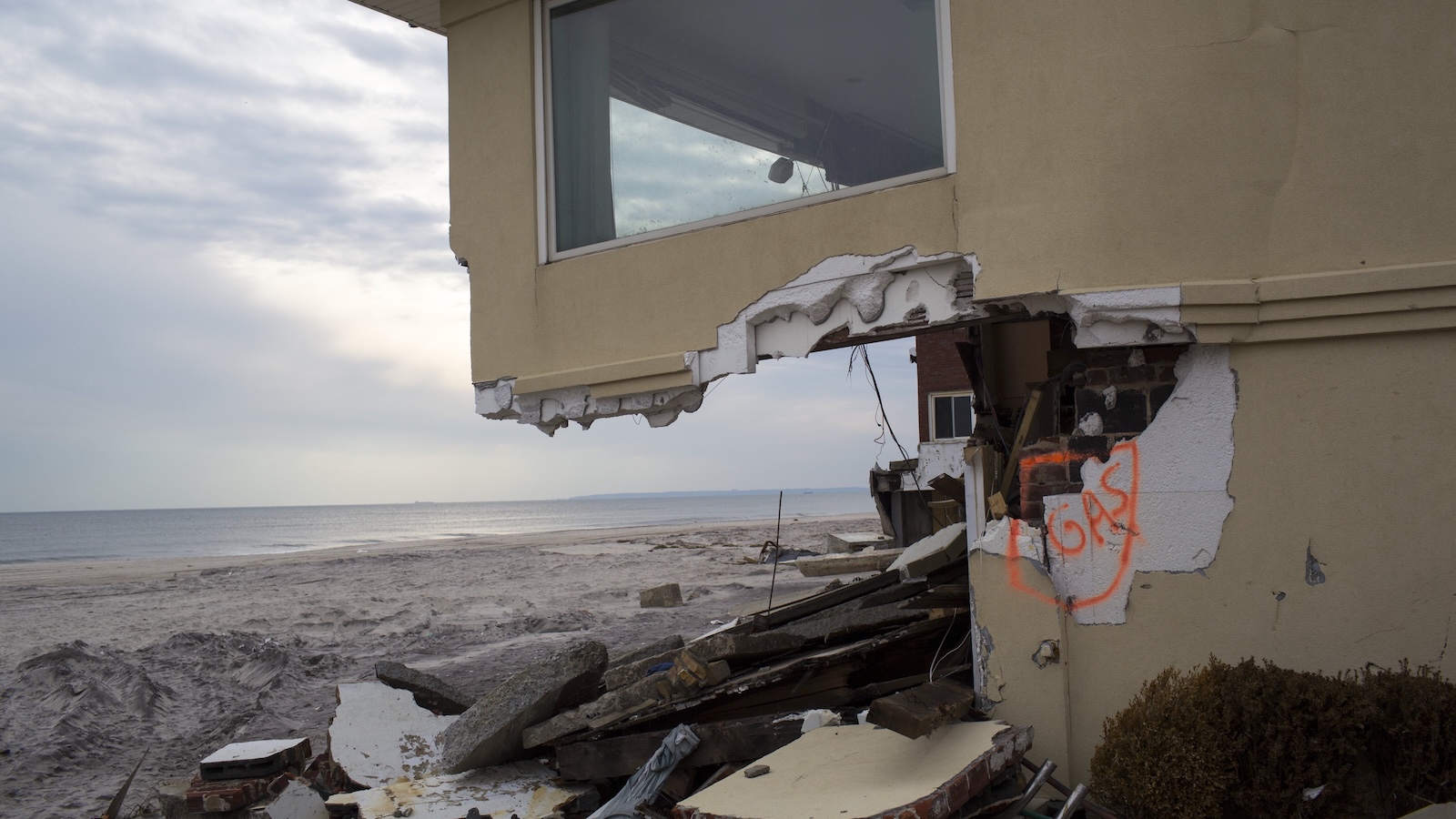
A research paper published in Science Advances examines the effectiveness of the Federal Emergency Management Agency’s Hazard Mitigation Grant Program, which has invested over $6 billion in purchasing more than 53,000 properties in disaster-prone areas since 1988. The program aims to encourage homeowners to relocate to safer locations, thereby reducing future disaster costs and repeated federal aid payments.
Researcher Rachel Young of the University of Minnesota found that the buyout program achieves its primary objective of facilitating relocation. Participants were approximately 20 percentage points more likely to move within the first five years compared to similarly affected individuals who did not participate, with this advantage persisting for at least 15 years. Participants tended to relocate to areas with higher incomes, education levels, and employment opportunities, while experiencing short-term debt reduction. From a fiscal standpoint, the program largely pays for itself through avoided future disaster costs and insurance claims.
However, the research revealed significant disparities in program outcomes across demographic groups. Participants from higher-income neighborhoods were substantially more likely to relocate and access areas with greater economic opportunity, while households in majority-Black and low-income neighborhoods participated less frequently and experienced smaller improvements. Average buyout payments reflected these disparities, with majority-Black areas receiving an average of $40,583 compared to $93,977 in predominantly white census tracts. The estimated increase in relocation rates was approximately 18 percentage points in areas with smaller Black populations versus 6 percentage points in majority-Black tracts.
Experts identified structural barriers contributing to these inequities. Using pre-disaster market values for property acquisition means homes in marginalized communities, which are typically worth less, result in smaller buyout payments. This can leave residents unable to afford comparable housing in safer areas. Additionally, the buyout process often extends over multiple years, leaving disaster victims in uncertain circumstances during the approval period.
Researchers and policy analysts suggest the program requires improvements in equity and efficiency, including reduced processing times and consideration of using replacement costs rather than market values. They also note that broader systemic challenges remain, as the buyout program reaches only a fraction of residents living in disaster-prone homes.
Article Attribution | Read More at Article Source
Article summary produced by Claude AI