

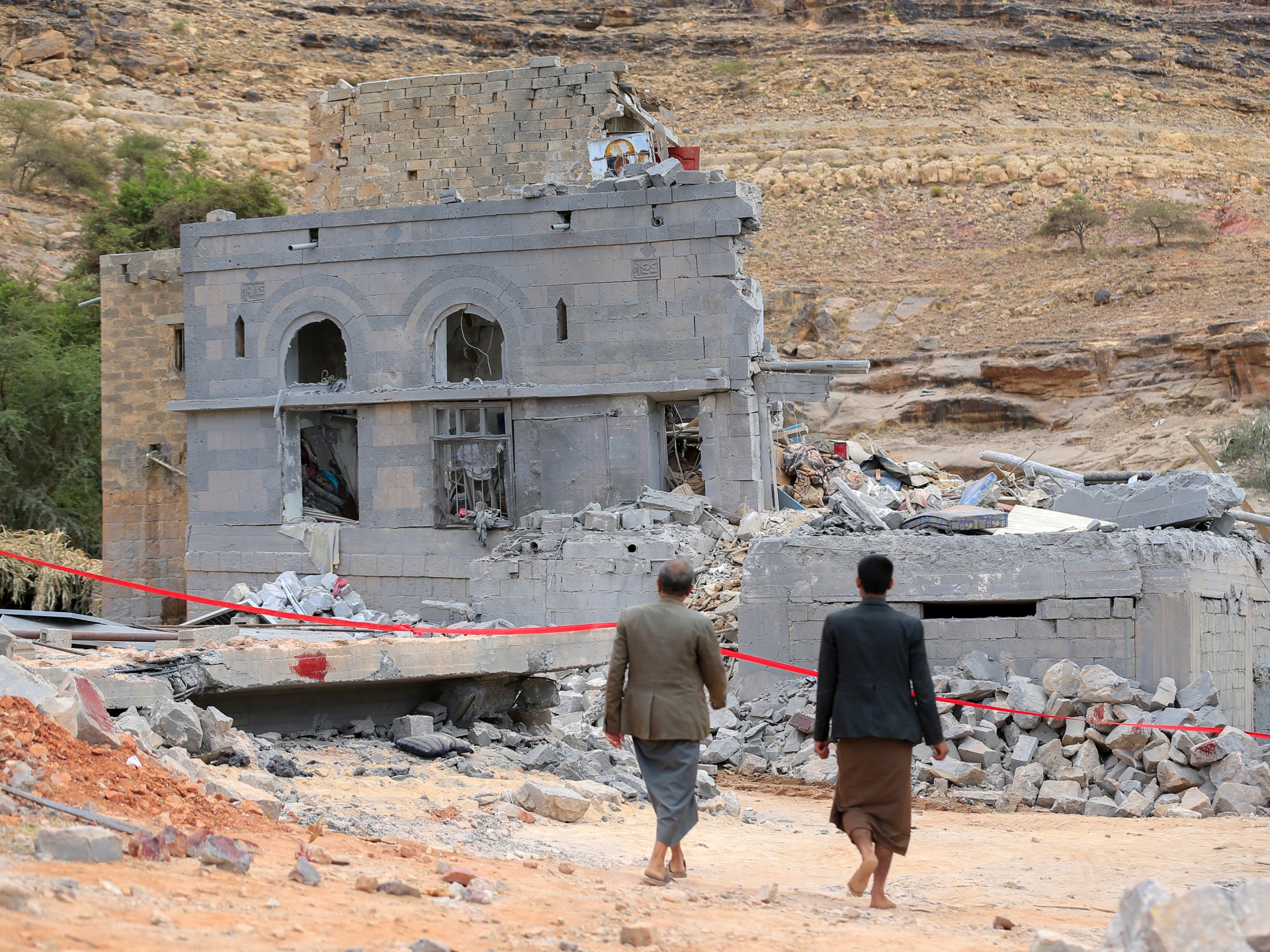
Conflict has escalated in Yemen between the Iran-allied Houthis and forces supporting the internationally recognized government backed by Saudi Arabia. On Wednesday, a Houthi spokesperson denied Saudi accusations that the group had targeted Mecca, Islam’s holiest city. The spokesperson claimed instead that a drone was directed at a pumping station in Yanbu on the Red Sea and that cruise missiles were fired at King Khalid International Airport in Riyadh. Saudi-led coalition forces reported intercepting three cruise missiles headed toward Riyadh along with drones aimed at Mecca and southern Saudi regions. Saudi Arabia’s Civil Defence Authority indicated that debris from intercepted ballistic missiles fell in the village of Sabuhah in Mecca province, characterizing the attacks as violations of international humanitarian law.
Military operations within Yemen have intensified significantly, with ground forces exchanging heavy fire across multiple governorates. According to Yemen’s army spokesperson, at least 138 Houthi fighters were killed or wounded during hundreds of targeted operations. The Saudi-backed forces conducted 773 field artillery attacks, 44 drone strikes, and 37 rocket attacks in al-Jawf, Marib, al-Bayda, and Taiz. Coalition air forces conducted 23 additional strikes, resulting in damage to 86 military vehicles and heavy weapons. Houthi military officials stated they had successfully targeted a Saudi coalition command center in Aden’s al-Buraiqa district with ballistic missiles.
The humanitarian impact of the conflict has grown substantially. According to the World Health Organization, casualties reached 11,755 as of November 8, comprising 2,098 deaths and 9,657 wounded. More than 2,000 casualties were recorded in a nine-day period, with Marib and Lahij experiencing the heaviest tolls. Displacement has affected more than 320,000 people since August 1, with nearly 16,000 forced from their homes in the preceding week. Health infrastructure has suffered damage, with strikes affecting medical facilities and ambulances, while critical fuel shortages have disrupted emergency services in Taiz. The WHO noted that despite ongoing medical supply deliveries and vaccination programs covering nearly one million children, significant gaps persist in trauma care, rehabilitation, and mental health services.
Article Attribution | Read More at Article Source
Article summary produced by Claude AI