

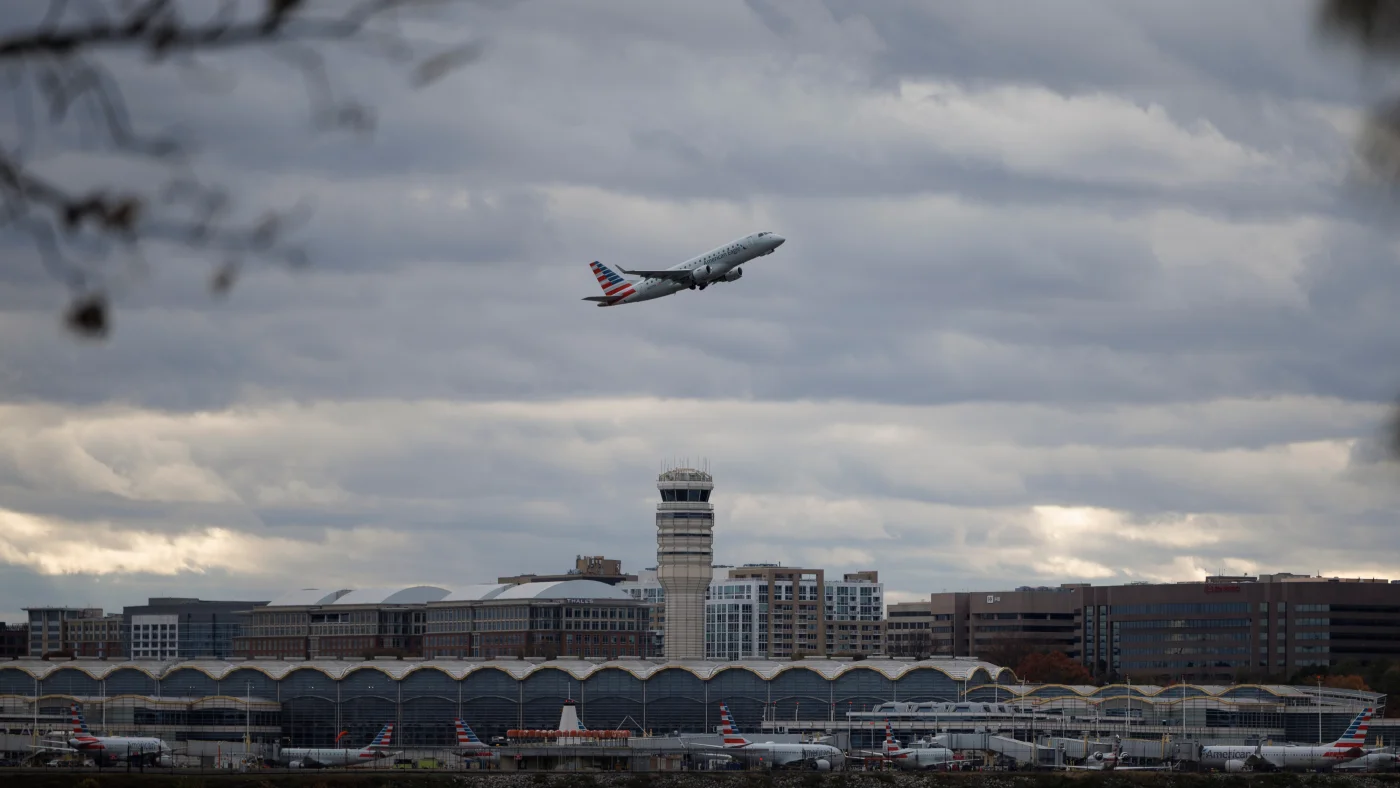
The aviation system continued to experience significant disruptions on Sunday, several days after a nationwide ground stop on Friday. More than 2,300 flights had been cancelled and approximately 8,000 flights were delayed as of Sunday evening, with major hubs like Dallas-Fort Worth and Atlanta reporting the heaviest impact.
U.S. Transportation Secretary Sean Duffy attributed the disruption to faulty maintenance work performed by L3Harris Technologies, a federal contractor. The company was replacing outdated copper wiring with fiber-optic cables when the FAA’s legacy systems became overloaded with excessive data, disrupting communications. Duffy identified two potential problem areas: a radar facility in Amarillo, Texas and a radio communications site in El Dorado, Arkansas. The official expressed confidence that normal operations would resume by the end of the following day.
The incident reignited debate over funding for aging aviation infrastructure. President Trump called on Congress to approve $50 billion in emergency funding for air traffic control system upgrades, citing the need for comprehensive modernization rather than incremental improvements. Earlier in 2025, Congress had approved $12.5 billion for safety upgrades. However, Democratic lawmakers questioned the pace of spending, noting that the administration had obligated only $4.3 billion of the previously appropriated funds while spending just $1 billion.
L3Harris stated it was treating the disruption seriously and confirmed that over 70 percent of the planned conversion from legacy copper systems to fiber optics had been completed. The company pledged its support for the FAA’s ongoing investigation. Nick Daniels, president of the National Air Traffic Controllers Association, praised air traffic controllers for managing the crisis despite working with unreliable equipment and acknowledged the unprecedented nature of the situation.
Article Attribution | Read More at Article Source
Article summary produced by Claude AI