

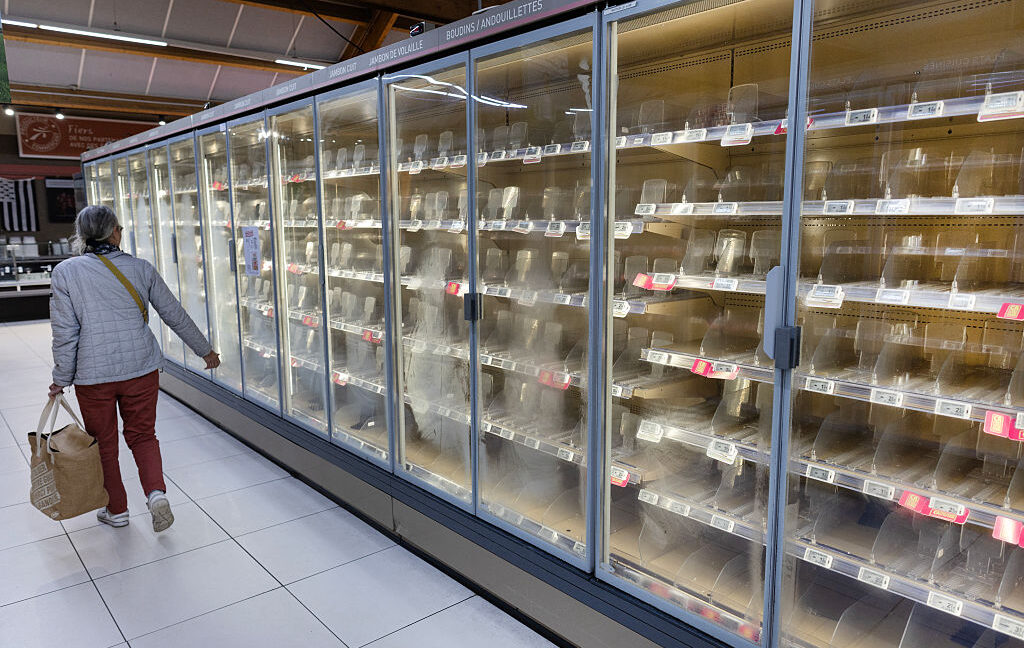
Earlier this week, refrigeration systems serving an estimated 700 supermarkets throughout France experienced a coordinated cyberattack that triggered widespread malfunctions. The compromise affected Internet-connected controllers designed to allow remote administration of store-wide refrigeration networks. After the systems were breached, attackers activated defrosting functions that raised temperatures to approximately 50 degrees Celsius, resulting in substantial food spoilage and, in certain instances, electrical fires. Security authorities have identified that the incident extended beyond France, with reports indicating similar impacts across Spain, Portugal, Poland, Germany, and Belgium.
Three controller models manufactured by Danfoss of Denmark and Dixell and its parent company Copeland in the United States were compromised. Security research and public advisories documented that these devices contained critical vulnerabilities permitting remote unauthorized access with administrative privileges. Danfoss controllers employed daily-changing credentials generated from publicly available firmware based on the date, meaning attackers with sufficient technical knowledge could replicate these credentials across multiple devices without updates. Comparable vulnerabilities in Copeland and Dixell equipment were recently remedied.
Experts identified multiple standard cybersecurity practices that were apparently absent from the affected installations. The controllers remained directly accessible on public internet connections rather than being protected behind virtual private networks or IP allowlists. Default and known credentials had not been changed, and the firmware on deployed devices had not been updated to current releases. Security researchers stated that implementing basic cyber hygiene measures—including network segmentation, credential management, and regular patching—would have prevented the attack.
Researchers from Pen Test Partners and Claroty had previously warned about these specific vulnerabilities and recommended preventative measures. The US Cybersecurity and Infrastructure Security Agency issued similar guidance in February. Copeland acknowledged the vulnerabilities affected discontinued controller models and indicated the company is collaborating with customers to prevent recurrence. The identity and motivation of the attackers remain unknown, though the scale of the incident has prompted speculation about potential vandalism campaigns or nation-state involvement.
The incident highlights ongoing tensions between financial and operational departments regarding cybersecurity investment. Many organizations defer substantial equipment and security expenditures absent immediate tangible benefits, a calculus that often shifts only following significant breaches. Industry observers remain uncertain whether this incident will influence broader organizational decision-making regarding infrastructure security investments.
Article Attribution | Read More at Article Source
Article summary produced by Claude AI