

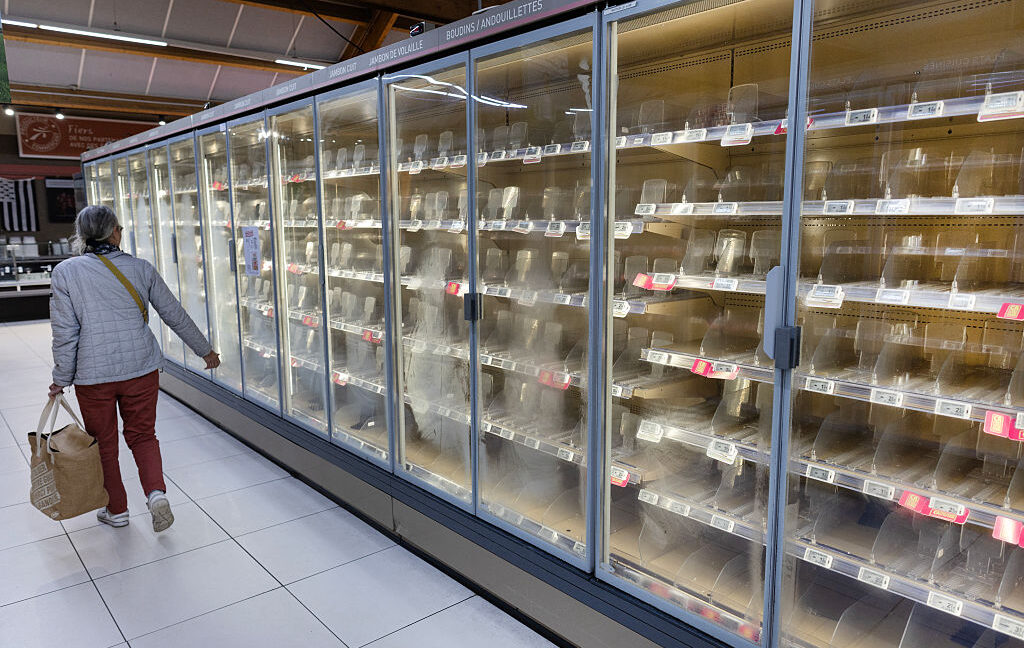
An estimated 700 supermarkets across France experienced a coordinated cyberattack on their refrigeration systems earlier this week, resulting in significant product loss and multiple fire incidents. Attackers compromised internet-connected controllers that manage store-wide networks of refrigerators and freezers, remotely activating defrost functions that allowed temperatures to climb to approximately 50 degrees Celsius, far exceeding safe food storage levels.
The affected equipment came from three manufacturers: Danfoss, Dixell, and Copeland. Security researchers identified that these devices contained critical vulnerabilities permitting remote administrative access. Danfoss controllers, in particular, relied on password generation based on publicly available firmware code that changed daily. Attackers with sufficient technical knowledge could replicate these passwords across multiple devices and locations. Copeland and Dixell controllers carried similar weaknesses that were patched only recently.
Analysts determined that fundamental cybersecurity practices would have prevented the breach. The compromised systems were likely connected directly to the internet without protection through virtual private networks or IP address restrictions. Default credentials appear not to have been changed, and the affected devices ran outdated firmware versions. Security researchers and government agencies, including the US Cybersecurity and Infrastructure Security Agency, had previously issued warnings about these specific vulnerabilities and recommended standard protective measures.
The incident extended beyond France, with reports indicating impacts in Spain, Portugal, Poland, Germany, and Belgium. Danfoss characterized affected models as discontinued products, while Copeland similarly referenced end-of-life equipment. The attackers’ identity and motivations remain unknown, though the coordinated nature of the attack suggests either organized vandalism or possible nation-state involvement seeking continent-wide disruption. Industry observers noted the incident highlights ongoing tension between financial and security priorities in business operations, as many organizations avoid preventive investments until after major security failures occur.
Article Attribution | Read More at Article Source
Article summary produced by Claude AI