

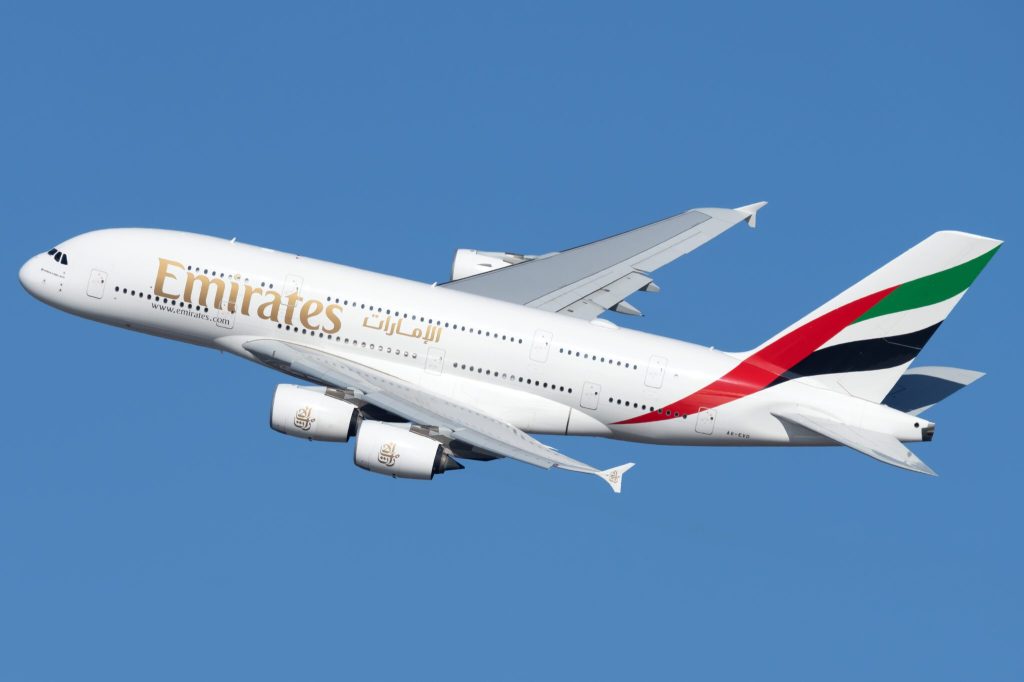
Emirates airline reported a significant decline in profitability for the first half of fiscal 2026–27, with net earnings falling 66% to AED 3.3 billion, equivalent to $899 million. The carrier’s financial performance was substantially supported by fuel hedging strategies that generated AED 7.1 billion, or approximately $1.93 billion, in gains during the period.
Without the benefit of these hedging arrangements, the airline would have operated at a loss given prevailing market conditions. The U.S.-Iran conflict resulted in the closure of regional airspace and contributed to significant increases in jet fuel costs, presenting operational and financial headwinds for the carrier.
Revenue for the half-year period declined 13% to AED 56.9 billion ($15.5 billion), marking a substantial contraction despite what the airline characterized as robust cargo segment performance and sustained passenger demand across its service network. Sheikh Ahmed bin Saeed Al Maktoum, the airline’s chairman and chief executive, acknowledged the challenging operating environment in statements accompanying the financial results, pointing to what he described as unprecedented regional difficulties and elevated fuel price pressures.
The financial outcome underscores the airline’s reliance on hedging mechanisms to offset commodity price volatility during a period of geopolitical tension. Industry observers will likely focus on the airline’s financial trajectory once its existing fuel hedges expire, as unhedged exposure to current fuel price levels could materially impact future earnings.
Article Attribution | Read More at Article Source
Article summary produced by Claude AI