

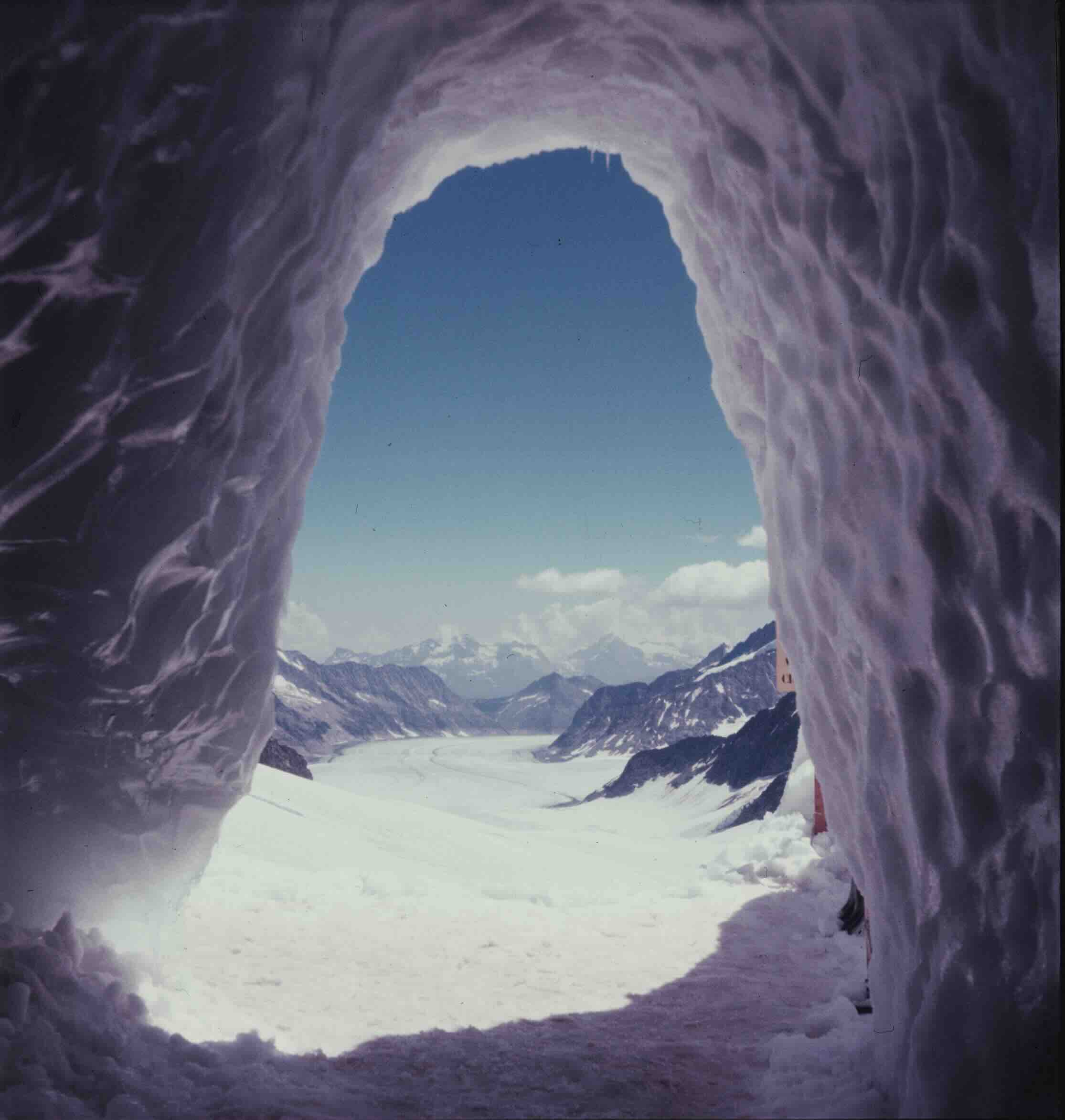
A geographer and glacier researcher describes how global glacial systems are often analyzed as a unified phenomenon but actually represent hundreds of thousands of distinct regional stories shaped by local conditions and human communities.
The scientist emphasizes that while approximately 275,000 glaciers remain worldwide and are commonly measured together for their contribution to sea level rise and rates of shrinkage, each glacier has its own unique history and significance. The work involves traveling to diverse locations to study how individual glaciers influence and are influenced by the landscapes and societies around them. Examples include Uganda’s Stanley Glacier, which affects human health and malaria patterns; Iceland’s Breiðamerkurjökull, where tourism creates additional stresses; and South Georgia’s Heaney Glacier, which has become habitat for a major King penguin colony following ice retreat.
A particularly notable case study involves Crater Glacier at Mount St. Helens in Washington state. The 1980 volcanic eruption destroyed approximately 70 percent of the mountain’s existing glaciers but inadvertently created conditions for new glacier formation. Snow repeatedly fell on the volcano’s steep headwall and avalanched onto the crater floor, eventually accumulating into a flowing body of ice by 1996 that qualified as a true glacier by scientific definition.
Crater Glacier experienced disruption when Mount St. Helens erupted again in 2004, with magma pushing up through the crater floor and splitting the glacier in two. However, the separated sections continued to flow around the lava dome at rates of one to two feet per day, eventually rejoining. Between 2009 and 2019, the glacier accumulated approximately 13.8 million cubic meters of ice and advanced over a thousand feet. Scientists note that this advance may eventually slow as warming Pacific Northwest summers potentially alter the unique climate conditions within the crater.
Article Attribution | Read More at Article Source
Article summary produced by Claude AI