

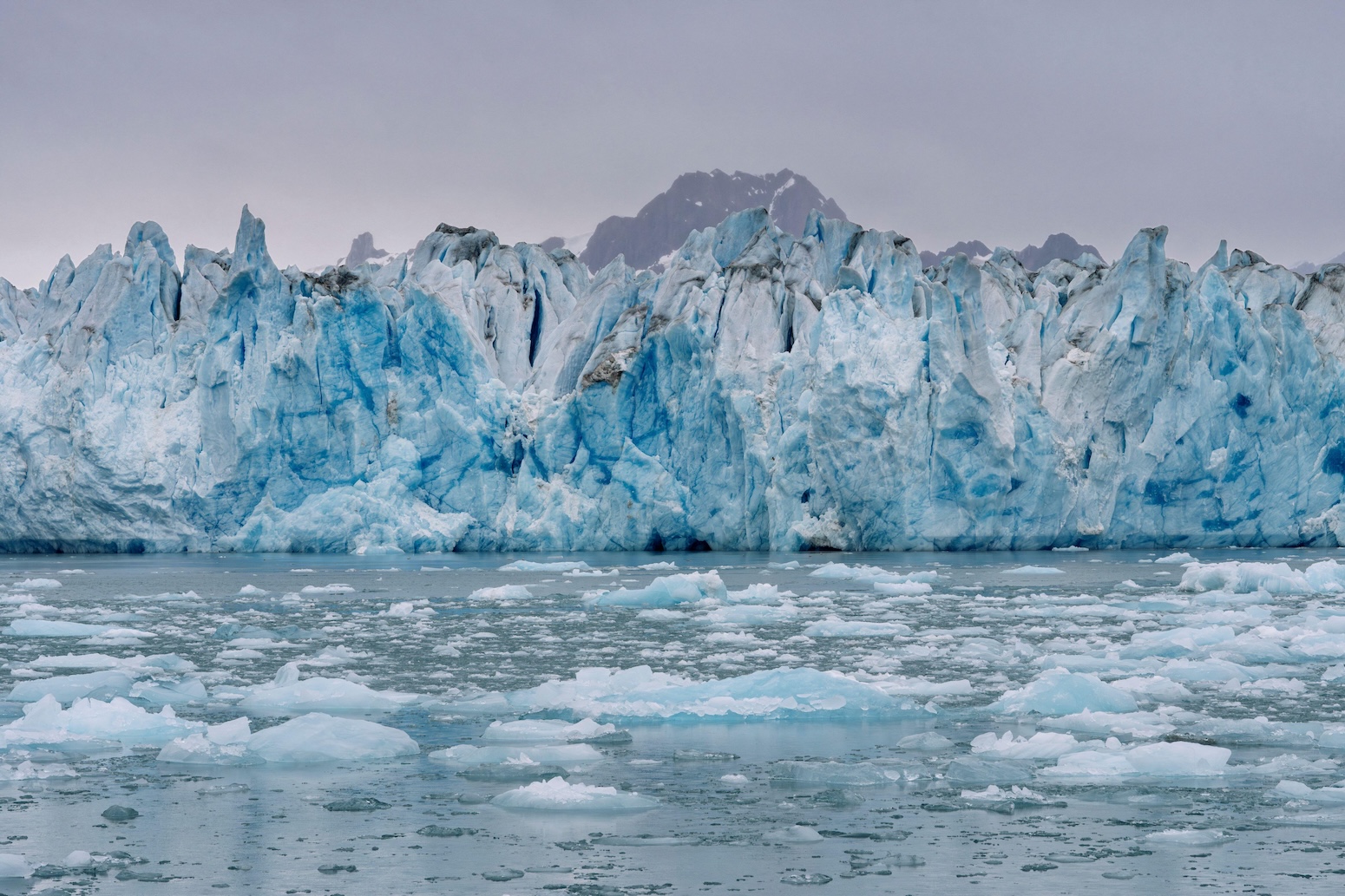
Greenland has reached a significant climate milestone with 30 consecutive years of net ice loss, according to analysis from scientists at the Danish Meteorological Institute. Over the 12-month period concluding in August 2026, the ice sheet lost roughly 135 billion tonnes of ice. Notably, this substantial ice loss occurred despite relatively moderate weather conditions in the region, including a cool start to summer and reduced surface melting compared to previous years.
The significance of three decades of continuous decline lies in its connection to climate science methodology. Scientists typically require 30 years of observational data to distinguish the effects of human-caused climate change from natural climate variability. The consistent downward trajectory across Greenland over this period provides strong evidence of a climate change signal. The last year Greenland experienced a net annual ice gain was 1996.
Scientists employ multiple metrics to assess ice sheet health. The surface mass balance, which measures the difference between snow accumulation and surface melting, stood at 519 billion tonnes for the 2025-26 cycle. When accounting for additional ice losses from calving icebergs and glacier fronts meeting warm seawater, the total mass balance becomes negative. Alternative estimation methods suggest the ice loss could have been as high as 173 billion tonnes, reflecting uncertainties in measuring ice sheet thickness, movement rates, and melting patterns.
Conditions during 2025-26 illustrated the complex interplay of seasonal factors affecting ice dynamics. Southern Greenland experienced unusual dryness during winter and early spring, reducing snow cover by approximately 40 billion tonnes below normal levels. This reduced snow cover typically leads to increased melting later in the season. However, a relatively cool early summer with frequent snowfall and cloud cover delayed the melt season onset to June 5, nine days later than the historical average.
The implications of Greenland’s ice loss extend beyond the region itself. Greenland currently represents the largest source of ice-driven sea level rise globally and serves as a harbinger for trends emerging in Antarctica, where similar melting processes are becoming increasingly prevalent.
Article Attribution | Read More at Article Source
Article summary produced by Claude AI