

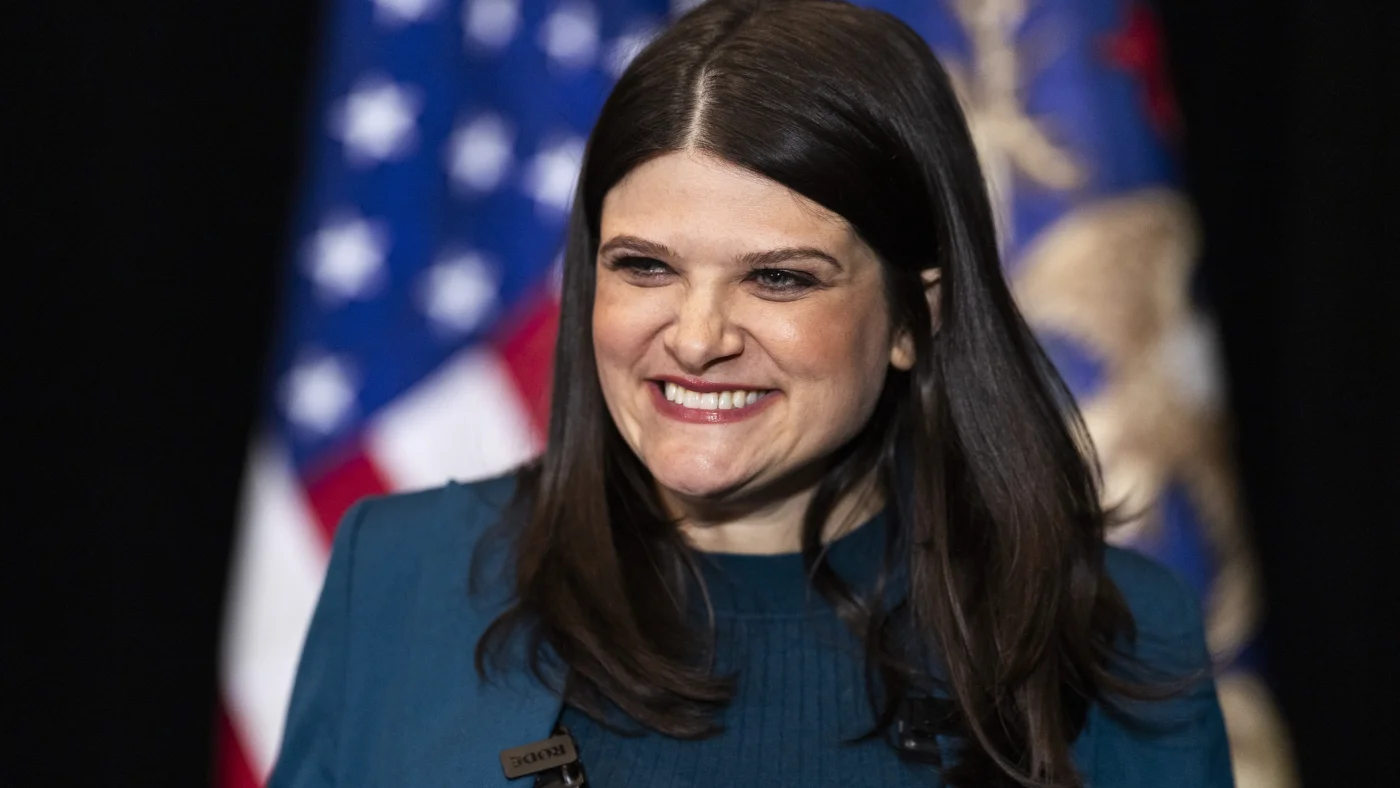
In a surprising political development, Democratic Representative Haley Stevens from Michigan announced her endorsement of Republican Mike Rogers, the GOP candidate for Michigan’s open Senate seat, mere hours before voters headed to the polls. Stevens broke ranks with her party following a contentious primary campaign against Democratic nominee Abdul El-Sayed. The congresswoman’s decision centered on concerns regarding El-Sayed’s connections to online political commentator Hasan Piker, whose previous statements about Jewish people and Israel drew significant criticism. Stevens maintained that El-Sayed had insufficiently addressed these controversies or worked to rebuild confidence among Black and Jewish voters who had supported her during the primary phase.
International tensions escalated as Gulf region nations positioned themselves in anticipation of potential military action involving Iran. The situation emerged following discussions between the Trump administration and Israeli leadership about possible military options. Qatar moved to the forefront of diplomatic efforts, engaging in intensive negotiations with Iranian officials over a 72-hour period aimed at de-escalating tensions and preventing armed conflict.
The Supreme Court prepared to hear oral arguments in a significant religious liberty case pitting the Catholic Church against Colorado’s publicly funded pre-kindergarten programs. The dispute centered on whether religiously affiliated schools participating in the state’s pre-K initiative could refuse enrollment to children of same-sex and transgender parents without violating state anti-discrimination statutes. Colorado had intentionally included religious institutions in its universal pre-K program to achieve near-universal enrollment of four-year-olds, conditioning their participation on compliance with state laws prohibiting discrimination based on sexual orientation, gender identity, race, and religion. The case represented a broader legal trend in which the court’s conservative majority increasingly prioritized First Amendment religious freedom protections over longstanding church-state separation doctrines.
Election coverage featured analysis of redistricting outcomes, as numerous congressional districts redrawn since 2024 showed unexpected competitiveness despite Republican-friendly map configurations. A majority of districts engineered specifically to secure Republican gains had emerged as closely contested races, with some showing Democratic strength in areas Trump had won decisively two years prior.
Article Attribution | Read More at Article Source
Article summary produced by Claude AI