

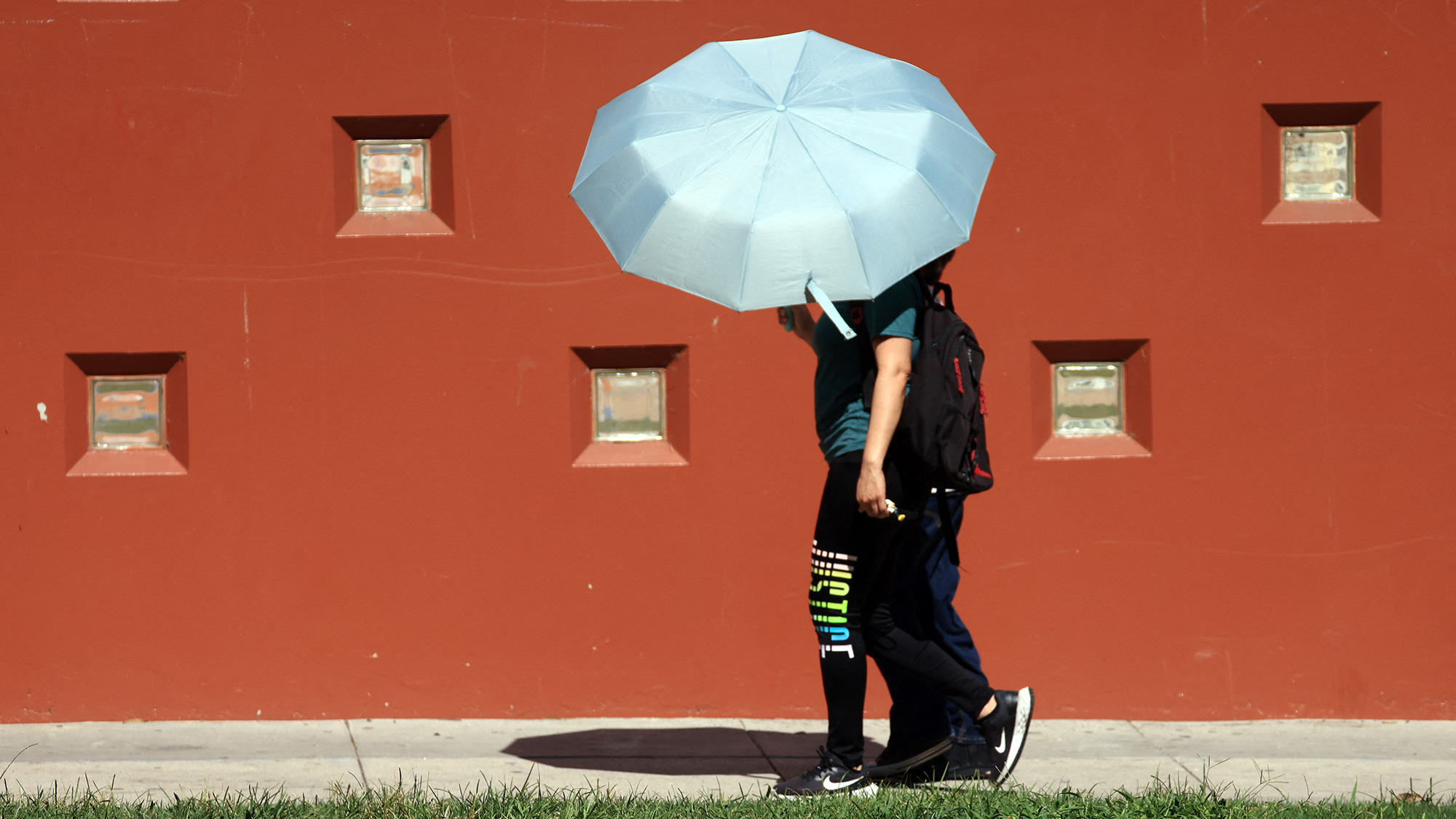
Philadelphia and other major U.S. cities experienced a significant heat dome earlier this summer that coincided with elevated gun violence incidents. Over a Fourth of July weekend when temperatures exceeded 100 degrees in Philadelphia for three consecutive days, the city recorded nine shootings leaving three dead and nine wounded. While the city is on track for its lowest homicide count since 1963, the timing highlighted a documented relationship between heat exposure and violent crime.
A new analysis by Climate Central, a nonprofit focused on climate research, quantifies for the first time the specific impact of climate change on gun violence. The research estimates that approximately 2,000 shootings across the 100 U.S. cities with the highest gun violence rates between 2021 and 2025 can be attributed to elevated temperatures resulting from climate change. According to the analysis, the extreme heat event in Philadelphia during the Fourth of July period was at least twice as likely to occur due to climate change influences.
The methodology involved creating individualized temperature-to-violence models for each city studied, accounting for regional variations in climate sensitivity. Researchers then compared actual recorded temperatures against hypothetical temperatures derived from 22 global climate models to isolate climate change’s warming effect. The analysis found that climate change has made typical days in studied cities approximately 2.4 degrees Fahrenheit warmer, with variations by location. In Philadelphia specifically, the warming gap of 2.7 degrees Fahrenheit was associated with an estimated 149 additional shootings over the five-year period.
Experts emphasize that this represents approximately 1.7 percent of total shootings in these cities and note that temperature is just one of many factors influencing gun violence rates. Researchers stress that no individual shooting incidents were attributed to climate change, as multiple stressors and contributing factors typically precede violent acts. However, the aggregate analysis provides a clear directional signal: climate change is contributing measurable upward pressure on shooting incidents. As global temperatures continue to rise absent significant emissions reductions, the research suggests this effect will intensify in coming years.
Article Attribution | Read More at Article Source
Article summary produced by Claude AI