

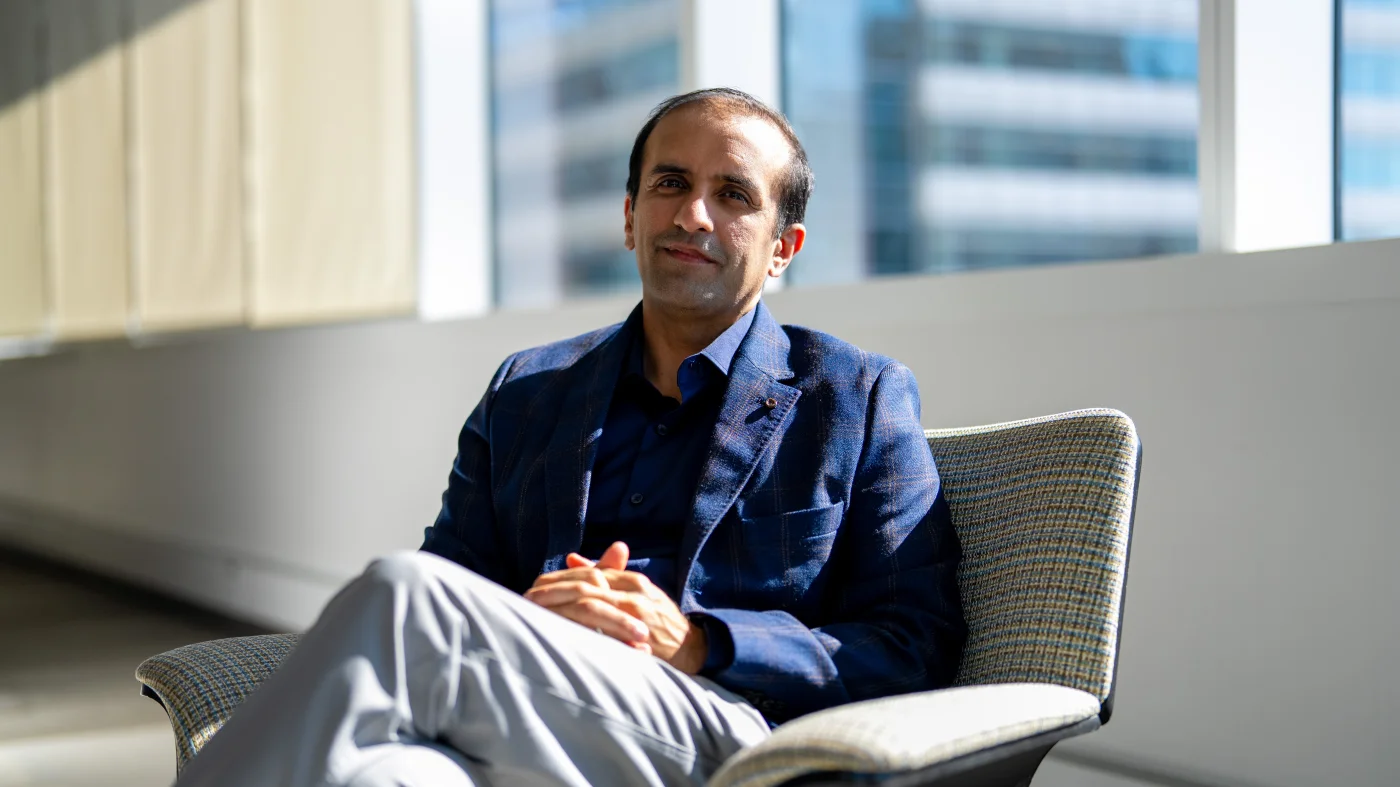
Dr. Raj Panjabi, a physician who previously served as malaria coordinator and global health security adviser in the Biden White House during the pandemic, has written a new book titled “Safer: A Playbook” that combines personal narrative, public health insights, and practical guidance for navigating crises.
The book was inspired by Panjabi’s family experience when his youngest child was diagnosed with heart failure at age 1. Initially, both Panjabi and his wife dismissed warning signs, attributing their daughter’s extremely low weight to picky eating habits. Panjabi describes struggling with guilt over missing the illness as both a parent and a physician, but later realized that denial represents a common first stage in crisis response rather than a personal failing. He notes that psychologists identify this phenomenon as normalcy bias — the tendency to assume tomorrow will resemble yesterday until circumstances fundamentally change.
The book is structured around three interconnected elements: the family’s journey addressing their daughter’s life-threatening condition, exploration of global public health challenges, and actionable advice for individuals facing domestic crises. Chapter titles including “Turn Denial Into Action,” “Don’t Go It Alone,” “Get Ready to Pivot,” and “Embrace Uncertainty” reflect Panjabi’s underlying philosophy. He advocates for establishing if/then thresholds to overcome denial and recommends ongoing monitoring through defined triggers, such as regular cardiologist appointments and heart ultrasounds to track his daughter’s recovery progress.
Beyond personal health emergencies, Panjabi applies his framework to broader public health challenges, particularly vaccine hesitancy amid measles outbreaks in the United States. Rather than employing blame-oriented questioning, he recommends asking barrier-oriented questions to understand obstacles preventing protective health behaviors. He emphasizes that practical barriers—such as work schedules, transportation costs, or misinformation—can often be addressed through respectful dialogue. Panjabi stresses the importance of building trust and meeting people face-to-face, noting that trust in managing health crises often resides outside governmental institutions.
Article Attribution | Read More at Article Source
Article summary produced by Claude AI