

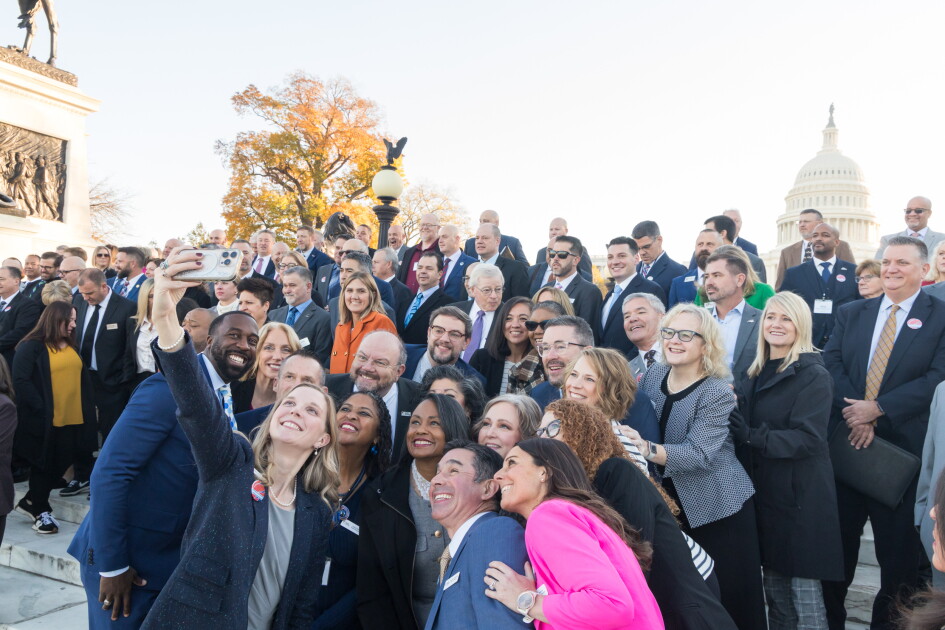
Some 300 school leaders and students participated in a two-day National Advocacy Summit organized by the National Principals Association, during which they met with representatives and senators to advance several policy priorities for public education. Principals reported a notably more receptive atmosphere compared to their previous advocacy efforts in March 2025, when the U.S. Department of Education had announced layoffs amid broader efforts to downsize the agency.
The shift in tone was attributed to changing political dynamics in Congress, with school leaders noting that elected officials from both parties appeared more willing to engage substantively on education issues. Despite disagreements on certain matters such as school choice initiatives, principals indicated that their representatives demonstrated openness to dialogue about their concerns and the needs of students.
Principals identified three primary areas requiring congressional action. First, they sought increases to Title I funding to reach $19 billion from $18.4 billion to assist high-poverty school districts, as well as increases to Title II and Title IV-A funding to strengthen educator pipelines and expand mental health services. School leaders emphasized that current funding levels, while recently preserved by Congress for the current fiscal year, remain inadequate given rising student needs and costs associated with wraparound services, special accommodations, and academic requirements.
Second, principals stressed the urgent need to address mental health challenges among students, citing increased rates of hospitalization and suicidal ideation. They highlighted the importance of improving student-to-counselor ratios and providing mental health support for both students and educators, noting the considerable pressures teachers face despite relatively modest compensation.
Third, school leaders called for stricter guardrails on artificial intelligence use in educational settings. While acknowledging that students require AI literacy for future employment, principals expressed concerns about AI-driven cheating, cyberbullying, and online harassment. Congressional staff indicated receptiveness to developing AI regulations for schools, with some lawmakers signaling intent to pursue oversight in advance of broader social media protections.
Article Attribution | Read More at Article Source
Article summary produced by Claude AI