

Ueno Bank ceased operations on Tuesday morning, creating immediate disruption across Paraguay’s financial system and daily commerce. The institution served approximately 2.9 million customers, representing roughly 60% of the country’s adult population. The Central Bank reported approximately 1.8 million depositors affected by the collapse. By Saturday, authorities had distributed advance payments to nearly 1.2 million customers through the state’s deposit guarantee fund, though many remained unable to access their full accounts.
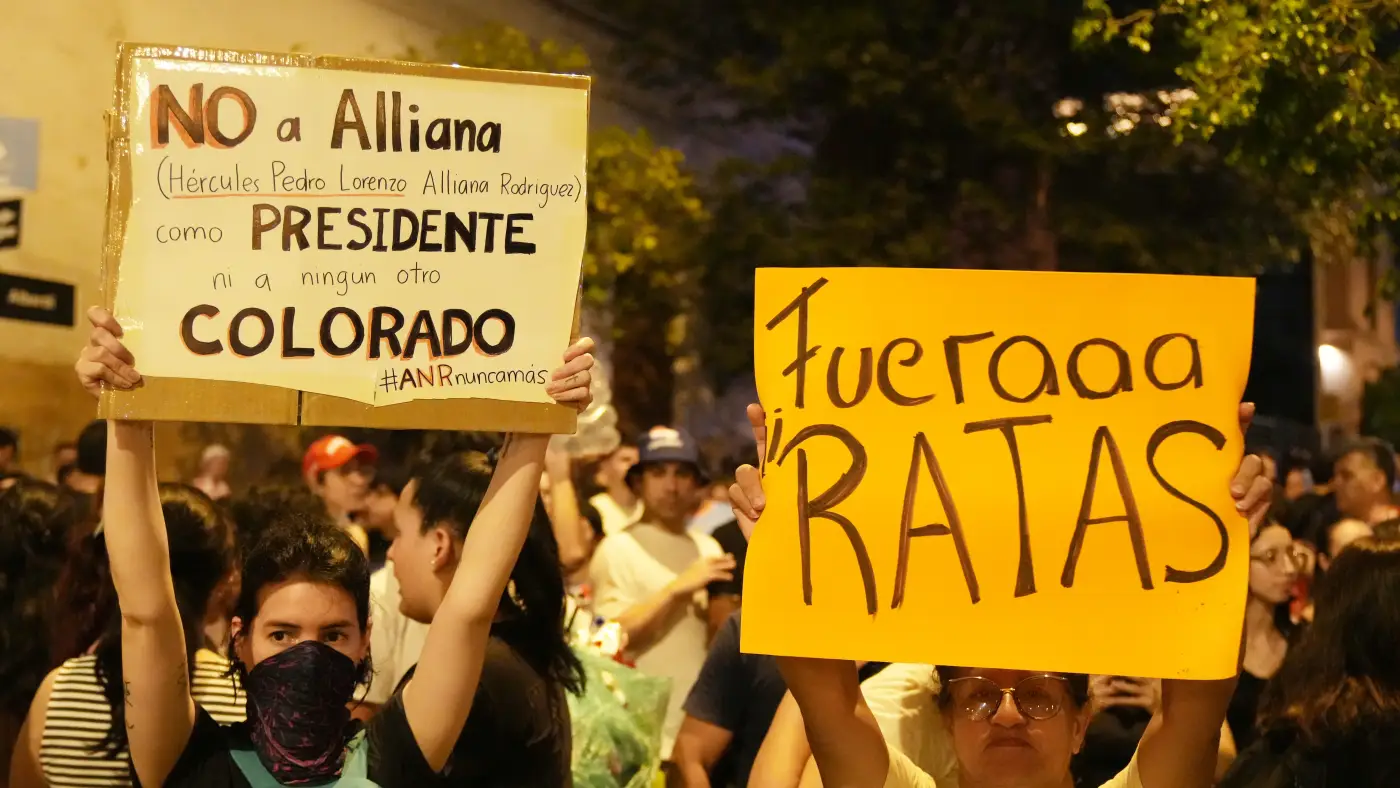
The bank’s failure had cascading effects on ordinary citizens and businesses. Students reported frozen funds needed for basic necessities, while small business owners and service workers struggled without access to their money. The incident sparked widespread public anger, with hundreds gathering outside Congress on Friday to protest both their inability to access deposits and what they viewed as systemic failures in financial oversight and accountability.
Ueno Bank, which began as a fintech startup in 2021 and transitioned to full banking operations in November 2023, had achieved rapid growth through aggressive marketing, digital convenience features, and promotional incentives. However, structural problems emerged upon examination. The bank held substantial public funds, including approximately $355 million from Paraguay’s Social Security Institute, representing about 9% of that institution’s investment portfolio. Analysis revealed that a significant portion of Ueno’s loan portfolio—including $146 million to three companies—went to entities directly linked to the bank’s controlling owners, Grupo Vásquez.
The political dimensions of the crisis became apparent when investigations focused on President Santiago Peña’s connections to the bank’s holding company. Peña held shares in Ueno Holding valued at approximately $845,000 at the time of his asset declaration in 2023 and maintained these interests even after taking office. He subsequently appointed Carlos Carvallo, a former Ueno Bank leader, to head Paraguay’s Central Bank. Prosecutors allege Peña used his presidential authority to influence state agencies to maintain deposits with the bank despite his financial stake in its parent company.
Peña resigned Thursday and was formally removed Friday following Senate impeachment proceedings. He faced criminal charges of breach of trust and administration for personal gain, and was ordered held in military detention pending investigation. Vice President Pedro Alliana was sworn in to serve the remainder of Peña’s term through August 2028. Carvallo was also arrested and charged with related offenses, as were eight Ueno executives including CEO Miguel Vásquez.
Article Attribution | Read More at Article Source
Article summary produced by Claude AI