

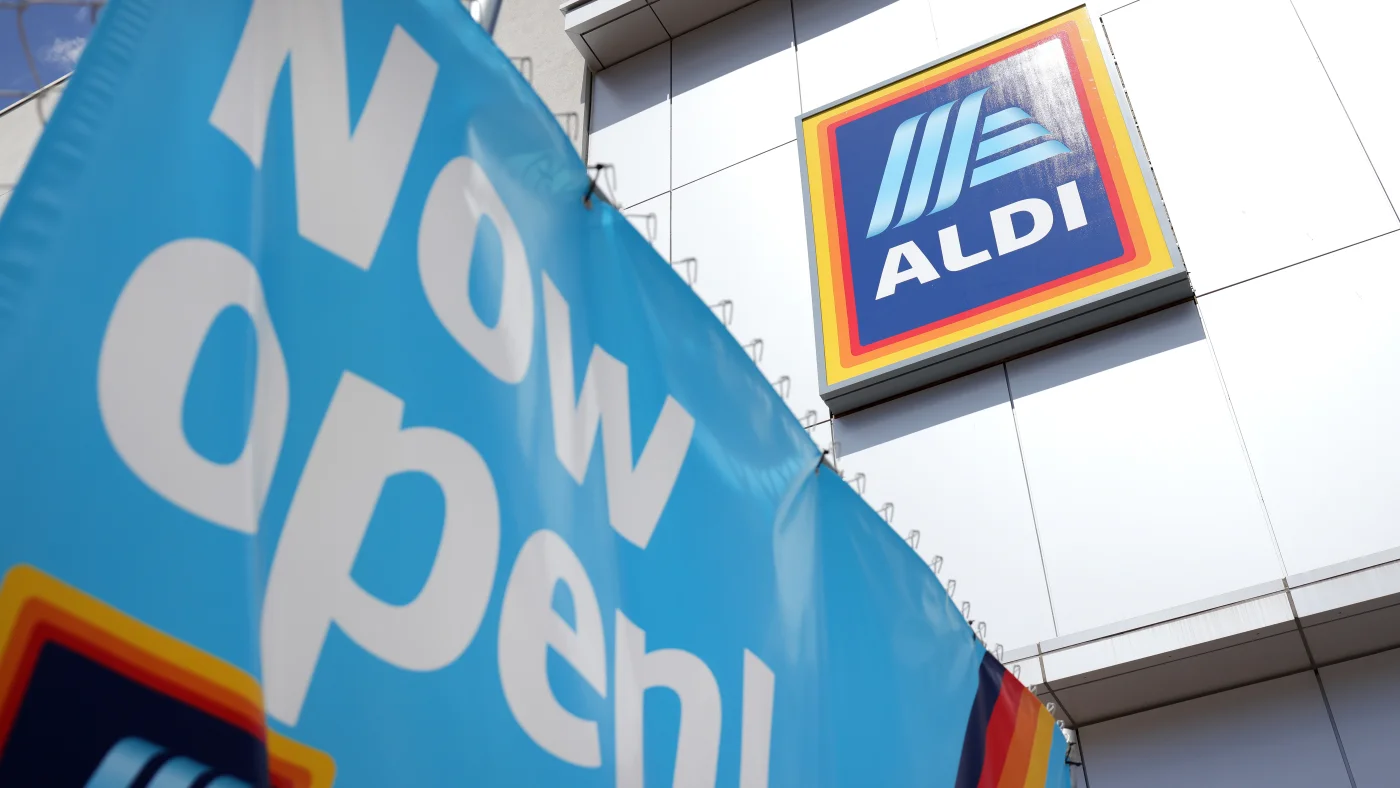
Aldi, a German-based discount grocery chain, is experiencing rapid expansion in the United States and is positioned to become the second-largest grocery chain by store count by the end of 2028. According to Bloomberg reporting, the company plans to operate more than 3,000 locations domestically by that time, surpassed only by Walmart. In 2024, Aldi generated approximately $29 billion in U.S. sales revenue, exceeding that of Trader Joe’s.
The chain’s growth is reshaping the competitive landscape of American grocery retail. Food industry analysis indicates that established grocers such as Wegmans and Kroger have announced defensive price reductions in response to Aldi’s market presence. Research published in late 2023 examining Lidl, another German grocer operating under a similar business model with fewer American locations, found that conventional grocery chains reduced their profit margins by approximately 7 percent in markets where Lidl opened stores. These findings suggest that Aldi’s competitive pricing strategy is exerting downward pressure on grocery costs across the industry.
Aldi’s competitive advantage stems from two primary strategies. First, the company maintains rigorous operational efficiency by minimizing unnecessary expenses—stores lack music systems, products remain in original shipping boxes on shelves rather than being artfully displayed, and the overall aesthetic is deliberately austere. This cost-cutting approach directly translates to lower consumer prices. Second, Aldi has cultivated a distinctive shopping experience characterized by what might be described as treasure-hunt appeal. The stores feature a rotating middle aisle section offering unexpected merchandise such as novelty items and specialty products, alongside expanded selections of premium options like higher-quality apple varieties and well-regarded wines, attracting customers across income levels.
Aldi’s business model represents an “unbundling” of the traditional supermarket experience. Whereas grocery retail consolidated over decades—from separate butchers, bakers, and greengrocers into supermarkets, then into superstores offering groceries alongside clothing and electronics—Aldi has reversed this trend by offering a limited, focused selection and locating stores strategically near competitors. This allows customers to purchase core items at Aldi and visit other retailers for remaining needs. The approach has resonated strongly with consumers; some customers display enthusiastic devotion to the brand and have lined up for new store openings.
Article Attribution | Read More at Article Source
Article summary produced by Claude AI