

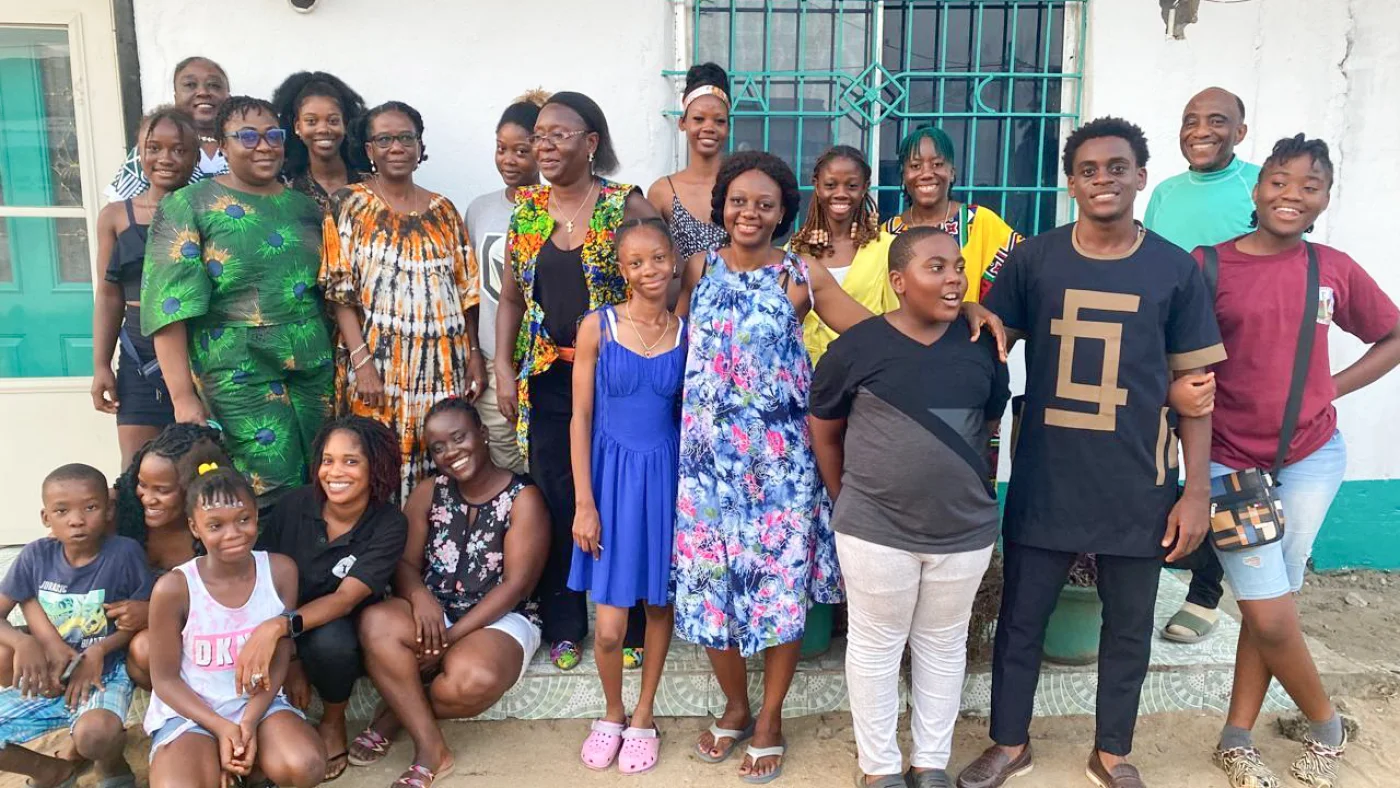
Liberian Thanksgiving traces its origins to the early 19th century when the American Colonization Society established a settlement in West Africa that would eventually become the independent nation of Liberia. The holiday was brought by Black American settlers, including both free-born individuals and formerly enslaved people whose resettlement occurred through various circumstances.
The Liberian version of Thanksgiving became officially recognized as a national holiday in 1883, when President Alfred Francis Russell proclaimed it in response to territorial threats from the British. The holiday took on deeper significance as a day of religious gratitude for the country’s maintained sovereignty and independence, which had been formally established in 1847.
Today, Liberian Thanksgiving is celebrated on the first Thursday in November and carries meanings distinct from its American counterpart. Practitioners give thanks for freedom, divine protection, national unity, and the harvest. The celebration is observed across religious communities, with Muslims attending mosques, Christians attending churches, and adherents of other faiths participating according to their traditions.
Family gatherings form the centerpiece of the holiday, with large extended families meeting for communal meals. Rather than turkey, Liberian households typically serve chicken prepared in various styles alongside local dishes such as jollof rice, cassava-based soups, and stews featuring ingredients like snails and sweet potato leaves. Festivities often begin with morning religious observances and transition into afternoon meals that can accommodate dozens of family members.
For many Liberians, Thanksgiving also represents reflection on personal and national resilience. Some residents express particular gratitude for the country’s peace following civil conflicts that occurred across two separate periods. The holiday continues to evolve as a distinctly Liberian occasion while maintaining its connection to themes of gratitude and community that emerged from its American origins centuries ago.
Article Attribution | Read More at Article Source
Article summary produced by Claude AI