

Brazil has unveiled two roadmaps intended to guide countries worldwide in accelerating their phase-out of fossil fuels and planning green energy transitions. The Brazilian government launched these frameworks in early November ahead of COP31, which took place later that month in Turkey. The initiative reflects Brazil’s continued leadership on climate issues following its hosting of the previous UN climate summit and the recent reelection of President Luiz Inácio Lula da Silva, who has emphasized environmental priorities.
The roadmaps are structured as broad implementation guides rather than new global climate agreements. According to André Corrêa do Lago, Brazil’s COP30 president, the documents aim to shift focus from negotiating international climate accords to executing previously agreed-upon commitments. He emphasized that implementation requires coordination among national transportation, energy, and infrastructure ministries, distinct from the diplomats who negotiate international agreements.
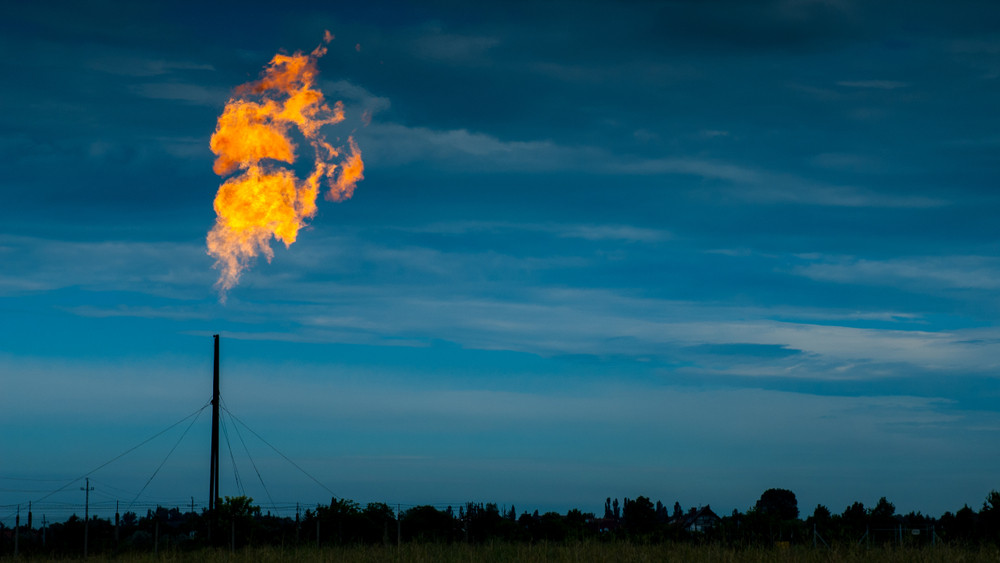
The Brazilian roadmaps contain recommendations for countries to consider when developing their own climate legislation, including reducing gas flaring by oil and gas producers, phasing out government subsidies for fossil fuel sectors, and expanding renewable energy capacity. The frameworks also call for financial assistance to lower-income nations and coordination on trade practices between forested and consumer countries. Notably, the roadmaps do not specify fixed timelines or measurable milestones, instead allowing each country to assess its particular fossil fuel dependence and select appropriate policy approaches.
Criticism of the roadmaps centers on their lack of specific deadlines and benchmarks. Climate scientists, including Joeri Rogelj of Imperial College London, argue that without concrete timelines, the frameworks provide insufficient guidance on the pace of change necessary to meet the Paris Agreement goals of limiting warming to 1.5°C to 2°C. The Brazilian roadmaps propose coordinated international action extending to 2033, building on commitments made at the COP28 climate conference in Dubai.
Several countries have already begun establishing national roadmaps following meetings in Colombia earlier in the year, where approximately 60 nations committed to developing tailored transition plans. Germany, France, and the Netherlands have already established national climate strategies with more specific actions and timelines. Brazil’s initiative, released ahead of COP31, aims to encourage additional countries to establish clear strategies for achieving national green transitions.
Article Attribution | Read More at Article Source
Article summary produced by Claude AI