

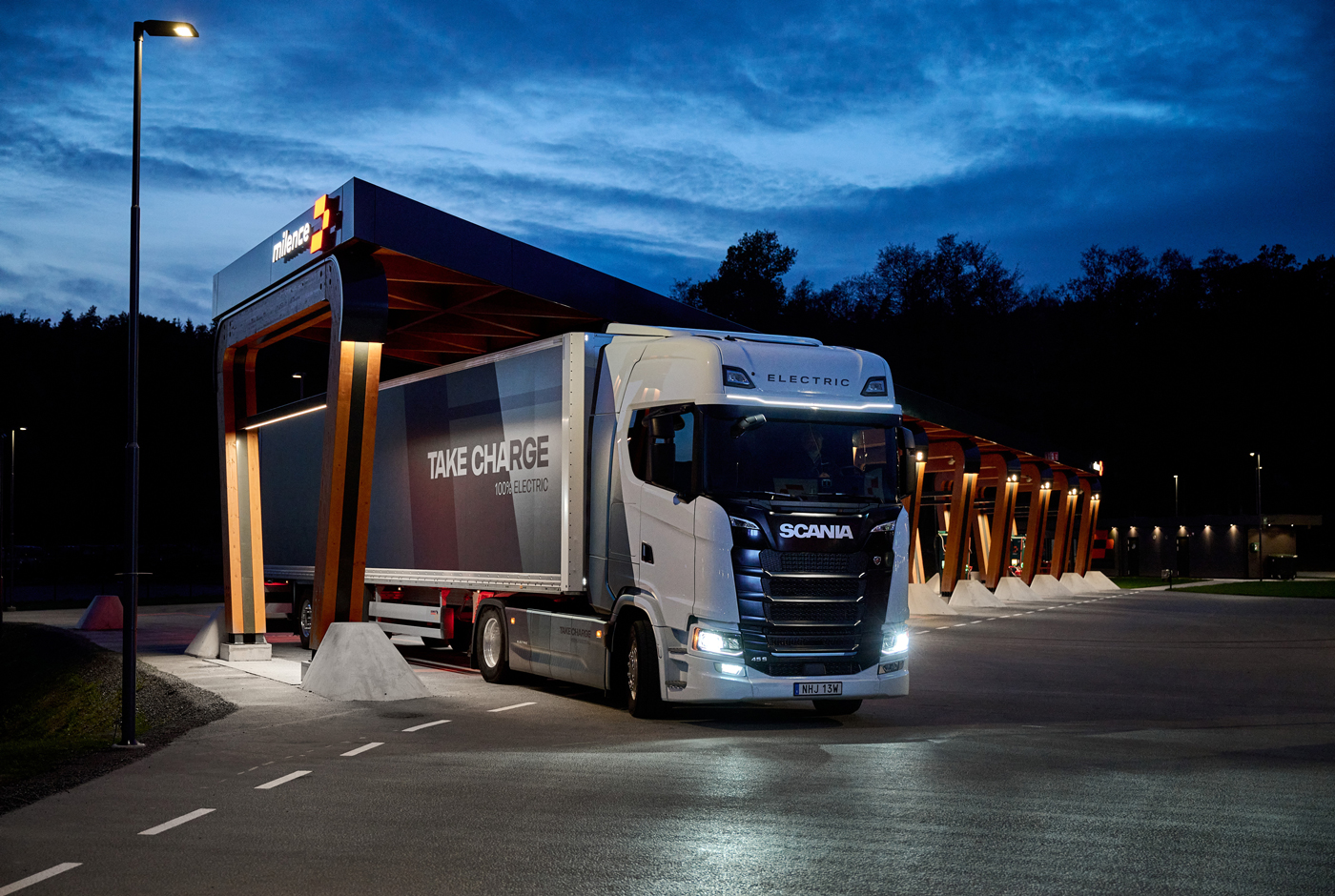
Europe is experiencing increased interest in electric trucking driven by elevated diesel fuel costs and regulatory pressure from the European Union. Numerous truck manufacturers have responded by developing electric semi-truck models, and a coalition called EV100 has formed to address market demands. However, expansion of the technology has been constrained primarily by insufficient charging infrastructure development.
The disparity between European progress and China’s rapid electrification reveals fundamental differences in approach. China has treated electric trucks as part of an integrated freight system rather than simply as individual vehicles, allowing it to house over 90% of the world’s electric trucks. European infrastructure development has lagged partly due to the distributed nature of governance across multiple sovereign nations within the EU, with varying standards and no single entity clearly responsible for charging infrastructure expansion.
A central technical challenge involves power grid capacity. Electric trucks with megawatt-hour batteries require megawatt-level charging power, which places significant demands on electrical infrastructure. Grid upgrades necessary for megawatt charging equipment connections can require several years, substantially delaying deployment. Experts suggest that reducing peak power demand through strategic planning methods could accelerate infrastructure development and reduce upgrade costs.
One proposed solution involves battery-swapping systems implemented strategically along high-traffic freight corridors connecting ports, warehouses, and distribution centers. This approach reduces charging power demands compared to fixed-battery vehicles requiring rapid charging. A new joint venture called Swaptopus, formed by Octopus Energy and CATL, aims to develop automated battery-swapping hubs across Europe. Such targeted infrastructure would leverage predictable freight patterns and established stopping points, providing greater grid efficiency than dispersed charging networks.
Industry stakeholders emphasize that coordinated policy frameworks connecting vehicles to specific corridors, depots, and freight use cases are urgently needed. The current fragmented approach, with multiple stakeholders but no unified authority managing infrastructure development, has hindered progress that could otherwise accelerate the transition away from diesel-dependent trucking.
Article Attribution | Read More at Article Source
Article summary produced by Claude AI