

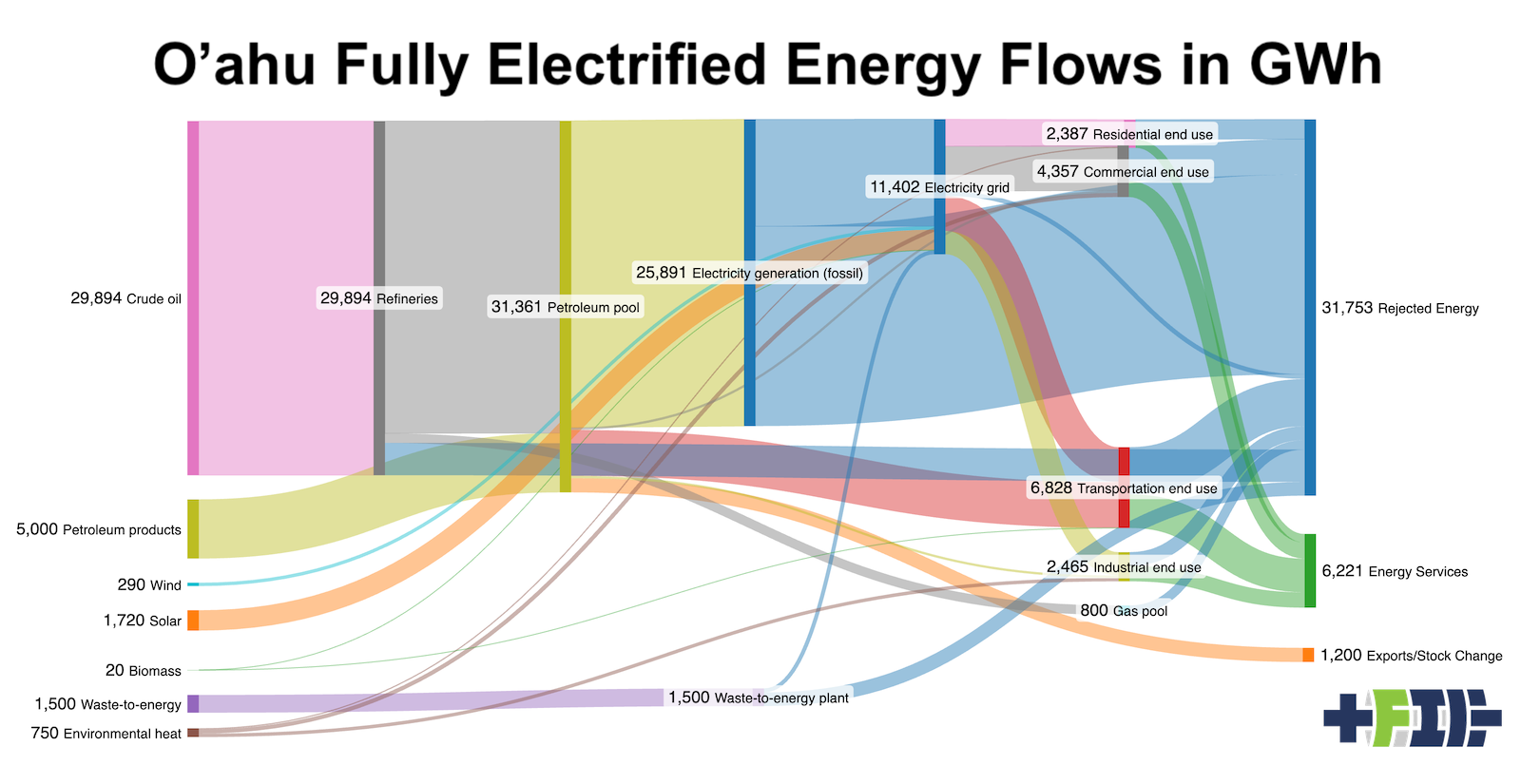
Oahu’s energy landscape presents a complex set of challenges rooted in historical decisions and geographic circumstances. The island’s electricity grid developed during World War II with a heavy dependence on imported fossil fuels, creating infrastructure that continues to rely on diesel generators across multiple islands to supply power to residents. Combined with geographic isolation requiring fuel imports traveling thousands of miles, military strategic importance, economic reliance on tourism, and periods of severe weather, the island faces significant obstacles to achieving energy independence.
Analysts have begun developing comprehensive roadmaps to address these challenges. One recent effort focused on identifying realistic pathways to clean energy by distinguishing between solvable problems and constraints that cannot be addressed in the near term. Rather than attempting to transform all energy consumption simultaneously, this approach prioritizes implementing technologies and solutions that are currently available and economically viable. Items such as long-distance aviation, maritime shipping fuels, and military fuel consumption were set aside as issues requiring future technological breakthroughs, allowing planners to concentrate on the achievable goal of transitioning Oahu’s residential and local commercial energy needs.
“No regret” technology deployments form the foundation of these proposals. Energy efficiency improvements like LED lighting demonstrate rapid financial returns on Oahu due to the island’s high electricity costs. Additional solutions include heat pump water heaters, residential and commercial solar installations, parking lot solar canopies, agrivoltaic systems, and electric transportation options. These technologies offer payback periods measured in weeks or months, creating immediate economic benefits for residents while reducing electricity consumption.
Proponents argue that transitioning to clean energy provides multiple benefits beyond environmental goals. Reducing dependence on imported fuels would recirculate economic value within Hawaii, lower utility costs for residents, create employment opportunities in clean energy sectors, and strengthen overall economic resilience. The combination of high natural resources, abundant sunshine, and existing clean technology expertise positions Oahu as a viable location for demonstrating how islands can achieve energy independence through systematic deployment of proven technologies.
Article Attribution | Read More at Article Source
Article summary produced by Claude AI