

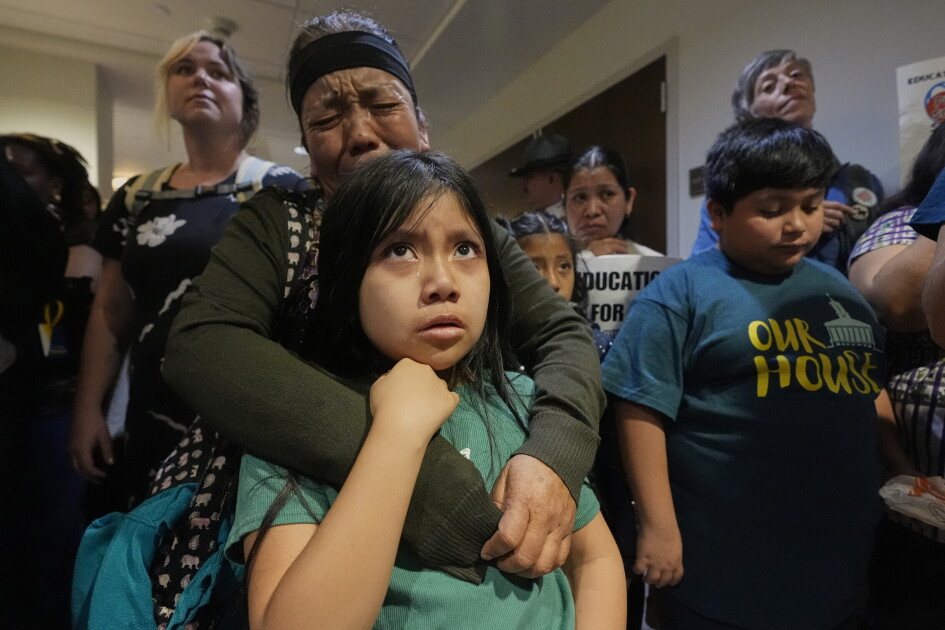
Schools across the country continue to experience significant disruptions stemming from federal immigration enforcement activities, even as large-scale operations have become less frequent. While highly publicized enforcement sweeps in major cities have largely subsided, immigration-related arrests and confrontations involving U.S. Immigration and Customs Enforcement agents persist in communities, often in proximity to school buildings and student transportation routes.
Reports from September and October documented schools implementing lockouts and shelter-in-place procedures following ICE activity nearby, with arrests occurring near schools during morning drop-off times. School administrators in San Diego and other districts have formally requested that the Department of Homeland Security cease enforcement operations adjacent to educational facilities, arguing that schools should not serve as backdrops for such activities. ICE has stated it does not deliberately target schools.
Enrollment declines represent a tangible impact of these enforcement activities. At ELLIS Prep in New York City, freshman enrollment in incoming classes has dropped dramatically, with only 12 students initially enrolling compared to typical classes of approximately 80, requiring extensive outreach efforts to reach 32 enrollees. The decline began after ICE detained a student at a routine court date and shot another individual near student commute routes. Families in affected communities have reportedly adopted alternative transportation methods and avoid areas with known ICE presence.
Mental health effects on students and educators have become increasingly pronounced. School social workers report working with students who have experienced parental detention or deportation, leading to grief, trauma, and concerning memory loss regarding their detained relatives. Educators themselves experience secondary trauma when students leave the country with their families. Schools lack dedicated funding for mental health support services while simultaneously trying to maintain enrollment and attendance.
Schools have implemented protective measures including detention protocols and emergency planning procedures, representing some progress in preparedness. However, educators and advocates note these safeguards remain insufficient without adequate mental health resources and broader systemic support for affected families and school communities.
Article Attribution | Read More at Article Source
Article summary produced by Claude AI