

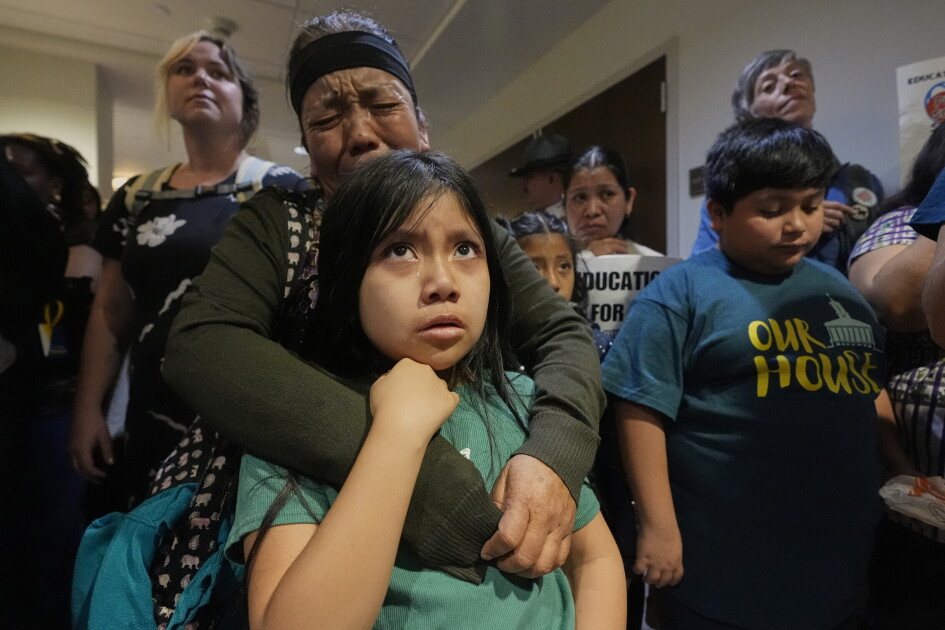
Schools serving immigrant communities are experiencing ongoing disruptions tied to federal immigration enforcement policies during this academic year. While large-scale enforcement operations conducted in major cities earlier have diminished in frequency, immigration-related arrests and confrontations involving U.S. Immigration and Customs Enforcement agents persist across the country, often in proximity to educational facilities.
In September and October, various school districts reported incidents where campuses went into lockout or shelter-in-place protocols following reports of ICE agent presence nearby. Additional incidents involved arrests occurring near schools during morning drop-off periods. The San Diego Unified school district, alongside California Democratic legislators and municipal officials, formally requested that the U.S. Department of Homeland Security cease enforcement activities adjacent to schools. DHS and ICE responded by stating the agency does not intentionally target educational institutions.
Enrollment figures at schools serving newly arrived immigrant students have declined substantially. ELLIS Prep in New York City, which typically enrolls approximately 80 newcomer students annually, initially received only 12 enrollment applications this fall, expanding to 32 only through intensive outreach. School officials attribute enrollment declines to families’ deterrence from attending classes due to perceived immigration enforcement presence. Specific incidents, including the detention of a student at a court date and an October shooting near where students commute, prompted schools to establish alternative routes to buildings and increased use of community carpool arrangements for transportation.
Mental health impacts on students and educators have intensified. School social workers report working with students who have experienced parental detention or deportation, with some elementary schools noting approximately 10 percent of their student population affected. Students described experiencing grief and trauma-related symptoms, including memory loss related to detained parents. Educators themselves are experiencing secondary trauma, particularly when U.S.-born students depart with deported relatives. Schools lack additional funding to address these mental health needs while simultaneously maintaining enrollment and attendance.
School officials have developed improved protocols regarding ICE access to buildings and enhanced safety procedures. However, educators emphasize that sustained mental health support and emergency planning resources for families remain critical unmet needs as immigration enforcement continues shaping school communities nationwide.
Article Attribution | Read More at Article Source
Article summary produced by Claude AI