

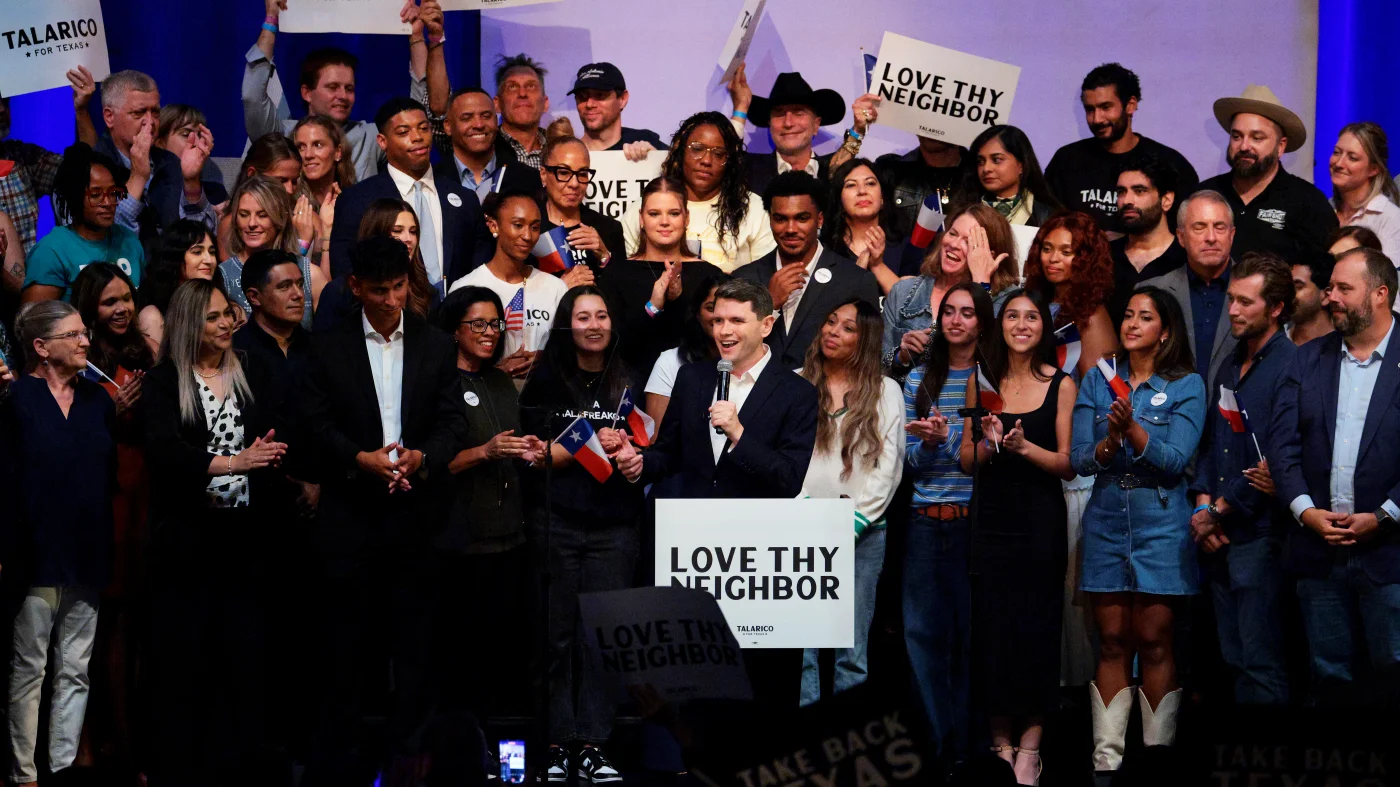
Democrats achieved substantial gains with younger voters in recent elections, carrying Generation Z—those under 30 years old—by nearly 50 percentage points according to exit polling. This represents a significant shift from earlier cycles, when the youngest voting cohort had moved toward Republican candidates, particularly motivated by pledges to improve economic conditions.
The reversal reflects changing sentiment among young voters regarding the party in power. Exit polling indicated that economic issues topped the concerns of 18-29 year olds at 43 percent, with majorities expressing dissatisfaction with how inflation and tariff policies have been handled. Additionally, over eight in ten young voters reported that certain foreign policy decisions, including military action, conflicted with their preferences. Analysis from CIRCLE showed that approximately 15 percent of young people who voted Republican in the prior cycle supported Democratic House candidates in the recent midterms.
Democrats made particular progress among demographic subgroups within the younger electorate. White men and Latino men under 30, who had narrowly favored Republicans in the prior cycle, voted for Democratic candidates by double-digit margins in the recent elections. The party also narrowed gaps with young rural voters and those without college degrees. Experts attribute these gains partly to increased enthusiasm for Democratic candidates, though the precise impact of young Trump voters choosing not to participate remains unclear.
Young voters, while historically turning out at lower rates than older Americans, comprised 11 percent of the total electorate and made measurable differences in competitive House and Senate races. In the Texas Senate race, the Democratic candidate won the state by 12 percentage points overall but prevailed among Gen Z voters by 60 points, illustrating the potential significance of youth voting blocs in close contests.
Political analysts caution against over-interpreting the results. Researchers note that neither major party has secured reliable support from Generation Z, with voting patterns shifting based on changing circumstances and candidate appeals. By 2028, Gen Z and millennial voters are projected to comprise more than half of the electorate, a demographic shift with substantial implications for both parties’ future electoral strategies.
Article Attribution | Read More at Article Source
Article summary produced by Claude AI