

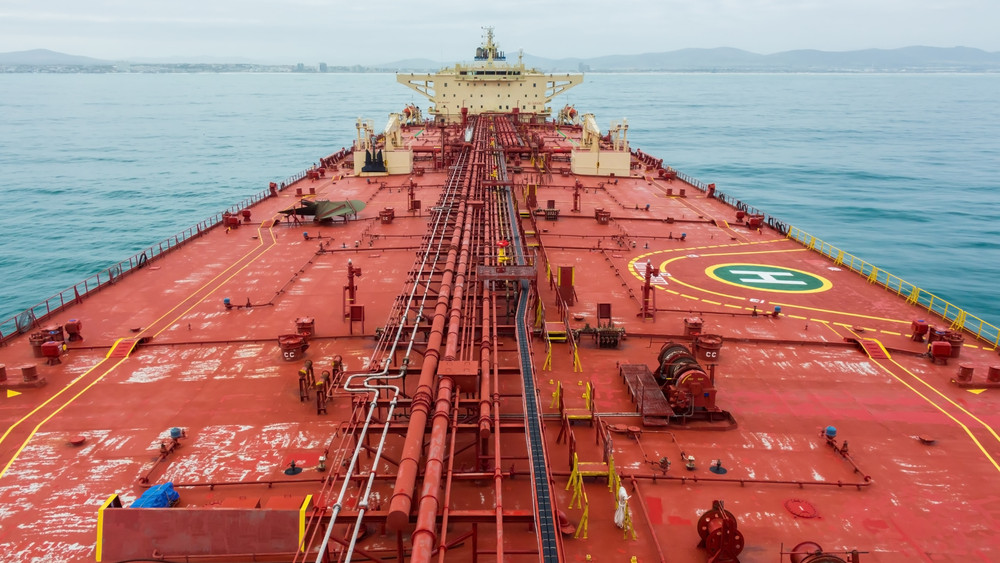
The disruption of traffic through the Strait of Hormuz during the Iran conflict created significant pressure on global energy markets over the past eight months, but outcomes varied considerably across different sectors and regions. While some feared severe shortages of critical commodities, the international system demonstrated substantial adaptability through a combination of emergency measures and market adjustments.
India faced particularly acute challenges in securing liquefied petroleum gas, traditionally sourcing roughly 90 percent of imports from the Middle East. The government implemented rationing measures prioritizing household supplies over industrial use, encouraged fuel switching, and discouraged hoarding. Alternative suppliers, particularly from the United States, eventually filled the gap, though longer shipping distances and higher transportation costs imposed economic burdens that persisted even after immediate shortages eased.
Fertilizer markets experienced price volatility and supply disruptions given the Persian Gulf’s outsized role in global agriculture exports. While urea prices surged initially and millions of metric tons of Gulf production were temporarily removed from circulation, subsequent adjustments proved less catastrophic than anticipated. China increased exports, demand moderated seasonally, and nitrogen prices retreated from wartime peaks, though phosphate markets remained constrained by ongoing sulfur supply limitations.
Europe managed to avoid the feared jet fuel shortage that could have disrupted summer air travel through increased domestic refinery production, imports from alternative sources, and inventory management. However, substantially higher fuel costs forced airlines to absorb increased expenses and reassess unprofitable routes. Natural gas markets similarly avoided acute scarcity, though Germany entered November with unusually low storage levels heading into winter.
The broader consequence of surviving these disruptions involves depletion of the buffer systems that typically protect markets from shocks. Global oil inventories have fallen significantly despite emergency reserve releases, spare refining capacity has been consumed, and transportation networks operate under strain. These reduced cushions leave less protection against future disruptions from refinery outages, weather events, or additional geopolitical crises.
Article Attribution | Read More at Article Source
Article summary produced by Claude AI