

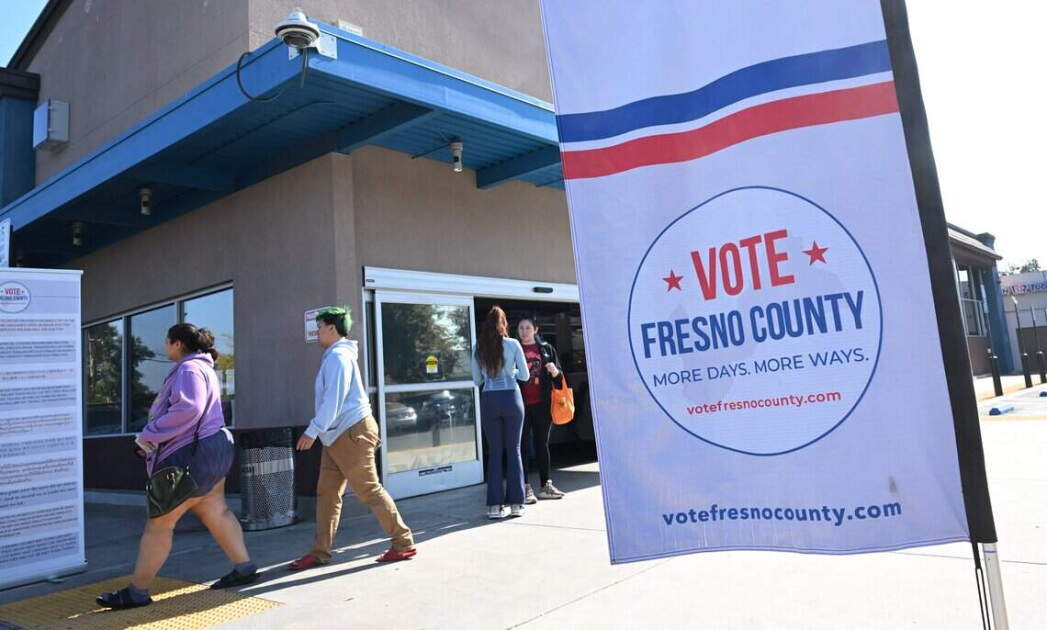
The midterm elections held on Tuesday produced varied consequences for school funding across the nation, creating both new opportunities for investment and fresh constraints in certain jurisdictions. Voters in multiple states supported measures to increase public revenue directed toward K-12 education, including through higher taxation on wealthy residents. Conversely, school districts in several Republican-led states now face new restrictions on their ability to collect property taxes, while some districts struggled to gain voter backing for proposed tax increases.
Democrats secured full control of state governments in Arizona, Michigan, Minnesota, Nevada, Pennsylvania, and Wisconsin, or are positioned to do so. The party also broke Republican legislative supermajorities in several additional states, including Florida, Indiana, Kansas, Missouri, and South Carolina. These shifts in political control may influence how state lawmakers approach school funding priorities and educational policy in the coming years.
Voters approved measures to limit property tax collections in several states, though support was not uniform. In Florida, a majority endorsed new restrictions that would leave direct school funding unaffected but constrain municipal governments’ capacity to fund support services. Proposals to increase taxes on wealthy residents found stronger support in some jurisdictions. In Washington state, nearly 58% of voters rejected a measure to repeal an existing millionaire tax approved earlier this year, while Colorado voters appeared to narrowly approve a graduated income tax proposal. California voters, however, rejected a one-time tax on billionaires after opponents spent unprecedented sums opposing it.
Voters also showed reluctance in supporting local school tax increases. In Virginia, only 15 of 47 localities approved a proposed 1% sales tax for school construction, while in Ohio, just five of 39 school district income tax measures passed. A North Dakota proposal to constitutionally mandate free school meals for all K-12 students fell short of passage with 44% support. However, in Minnesota, voters overwhelmingly approved a measure directing permanent state fund revenue to schools, and several states endorsed education-related bond measures and school funding proposals.
Article Attribution | Read More at Article Source
Article summary produced by Claude AI