

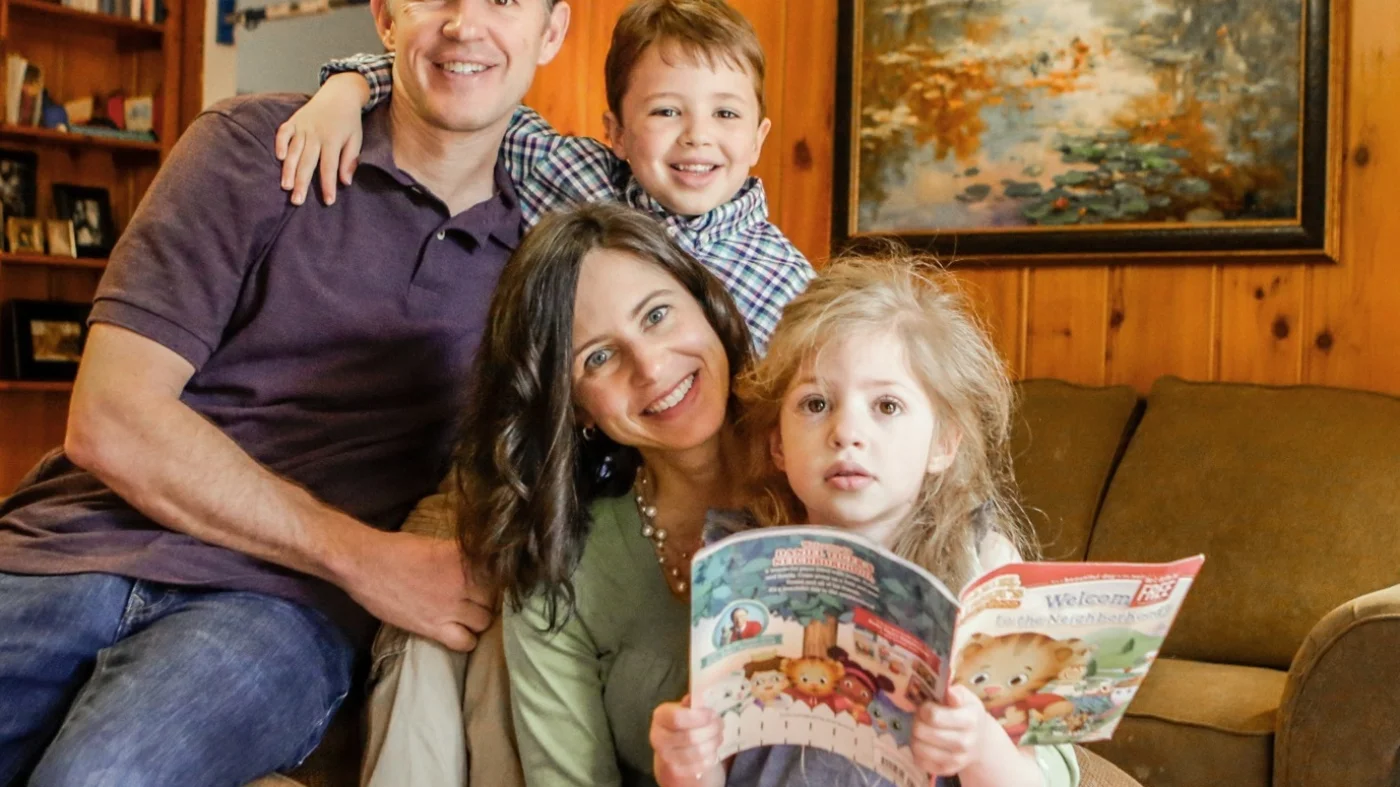
Eliza O’Neill was diagnosed in 2013 with Sanfilippo syndrome, a rare inherited metabolic disorder caused by a faulty gene that prevents the body from breaking down heparin sulfate. The condition causes children to progressively lose their ability to speak and walk, develop seizures, and typically results in death before the teenage years, according to the Cure Sanfilippo Foundation, which Eliza’s parents established.
Researcher Haiyan Fu at Nationwide Children’s Hospital in Columbus, Ohio, had been developing a gene therapy approach using a modified virus to deliver a working copy of the defective gene since the late-1990s. Fu faced funding challenges and nearly abandoned the work in 2009, but families of children with Sanfilippo, including the O’Neills, provided financial support to keep the research alive. Eight patient foundations collectively sustained the work until human trials could begin.
To fund the first clinical trial, Glenn O’Neill created a fundraising video with filmmaker Benjamin Von Wong in 2014. The “Saving Eliza” campaign became a viral success, breaking GoFundMe’s fundraising record at the time by raising $1 million within weeks, eventually accumulating $2 million. The first human trial commenced in May 2016, with Eliza as the initial patient at age 6.
The promising trial results attracted biotech interest. Ultragenyx acquired the therapy rights in 2022 and continued development, ultimately securing FDA approval in September for the treatment, now called Fayuvi. The company priced the one-time infusion at nearly $4 million, tying it for the second most expensive gene therapy on record. Ultragenyx leadership stated commitment to ensuring all patients receive treatment regardless of cost considerations. Eliza, now approaching age 17, continues attending school and engaging in activities, though she did not regain speech after the early treatment but communicates through picture cards and devices.
Article Attribution | Read More at Article Source
Article summary produced by Claude AI