

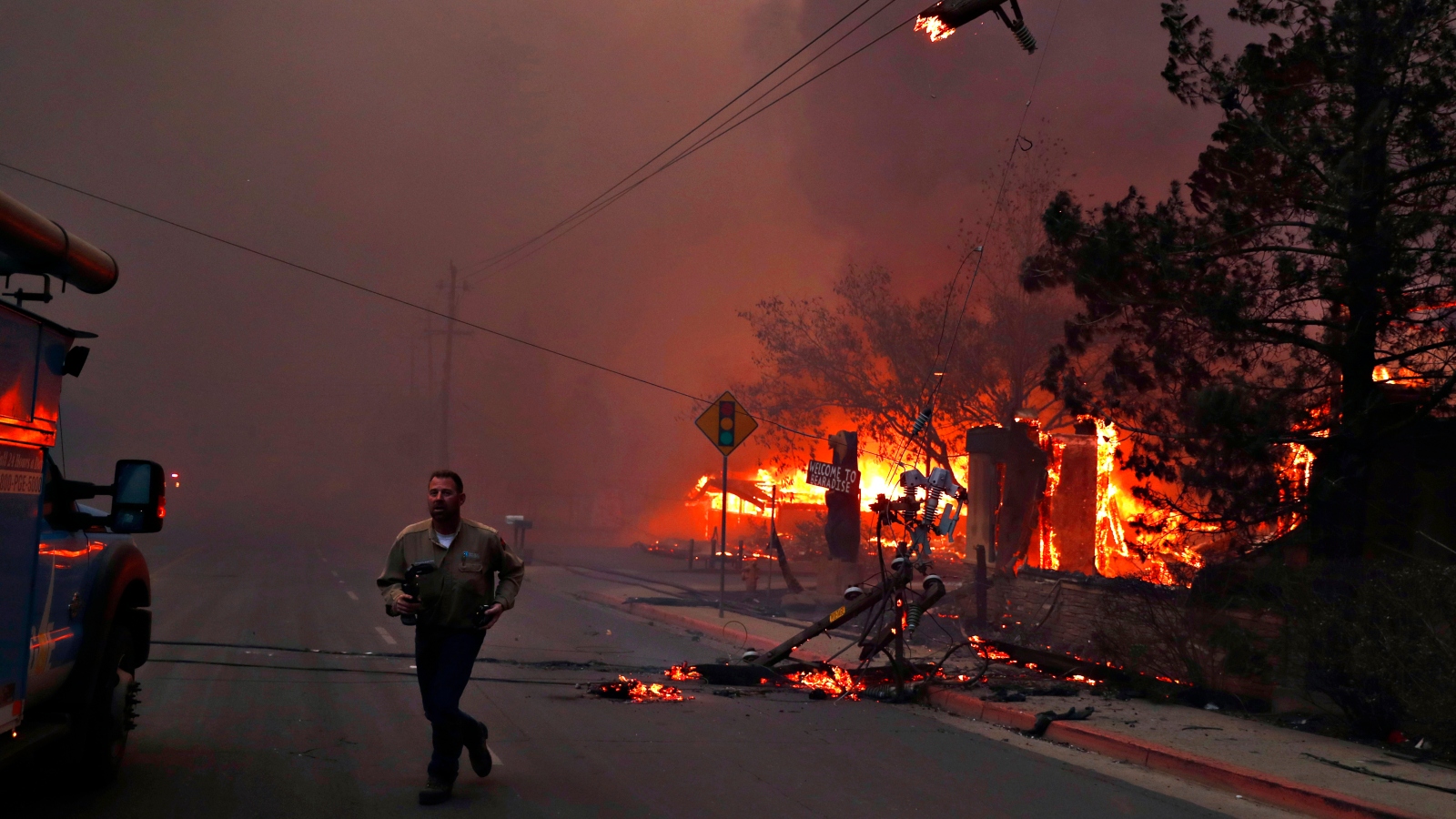
The Camp Fire of 2018 near Paradise, California, sparked a transformative moment in environmental liability when Pacific Gas and Electric Company settled claims for $13.5 billion after a faulty transmission tower ignited the deadliest wildfire in state history. The settlement demonstrated that utilities could face substantial financial consequences when their equipment contributed to conflagrations, triggering a cascade of litigation against power companies across the nation. Since that landmark case, more than $18 billion has been awarded or agreed to in civil settlements for wildfire victims across California, Hawaii, Colorado, and Oregon, with major utilities including PacifiCorp, Xcel Energy, and Southern California Edison among the defendants.
Wildfire litigation has emerged as an increasingly prominent feature of American civil disputes, particularly as fire seasons intensify across the country. This year has been among the worst on record for wildfires nationally, with over 9 million acres burned as of October, approximately 1.5 times the typical year-to-date average for the past decade. Following lighter-than-normal snowpack in mountain ranges, litigation has mounted correspondingly, with residents filing suits against utilities over fires ranging from Colorado’s Aspen Acres Fire to blazes in Los Angeles County.
However, the reliance on litigation to address wildfire damages has generated significant debate among policymakers, climate scientists, and legal experts. While the number of wildfire ignitions has remained relatively stable over recent decades, climate change has rendered landscapes increasingly flammable, and residential development in fire-prone areas has amplified potential losses. This dynamic has created what some describe as a state-sanctioned climate resilience strategy, where property owners seek compensation primarily when large utilities are implicated in fire ignitions rather than when fires result from lightning strikes or other causes.
The expansion of wildfire litigation has produced broader consequences for American infrastructure and policy. Rising utility settlements have contributed to increased electricity rates, power shutoffs, and drained public resources when governments are found liable. Additionally, concerns have emerged that litigation may discourage or complicate preventive measures such as prescribed burns. Beyond these practical considerations, climate scientists and legal analysts have questioned the fundamental fairness of assigning singular liability for wildfires driven by multiple factors, including fossil fuel combustion, federal fire suppression policies, and decades of development patterns, while holding oil companies largely insulated from climate liability in U.S. courts.
Article Attribution | Read More at Article Source
Article summary produced by Claude AI