

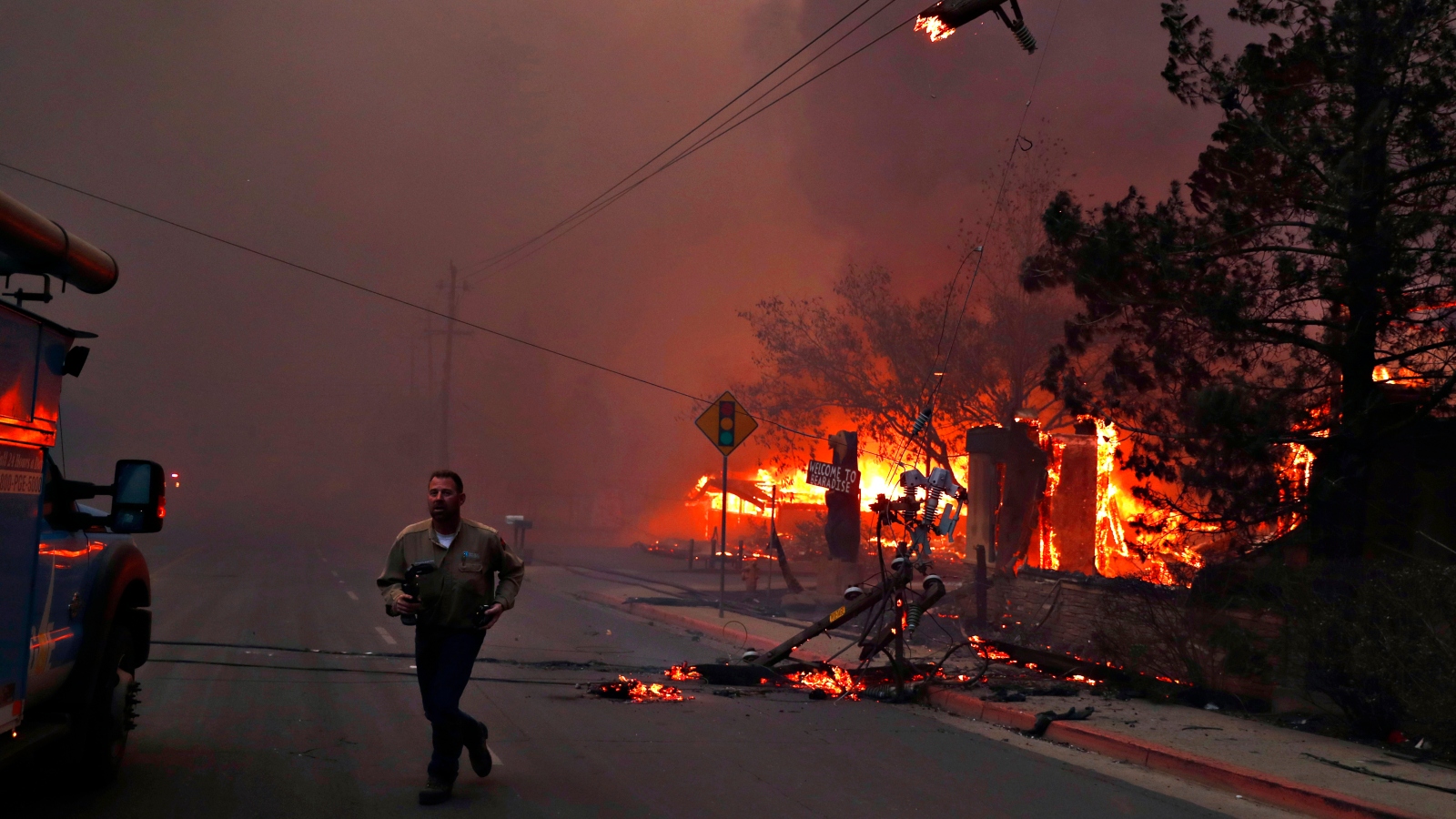
The deadliest wildfire in California history struck the town of Paradise in 2018 when a faulty transmission tower operated by Pacific Gas and Electric Co. ignited a blaze that killed 85 people and destroyed over 18,000 structures. The incident triggered a wave of litigation that fundamentally reshaped how Americans address wildfire damages, beginning with PG&E’s $13.5 billion settlement covering the Camp Fire and other fires sparked by its equipment in 2017 and 2018.
Since that landmark settlement, wildfire litigation has evolved into a substantial economic sector. More than $18 billion in civil settlements and awards have been distributed to victims across California, Hawaiʻi, Colorado, and Oregon dating back to 2017. Major utility companies including PG&E, PacifiCorp, Xcel Energy, and Southern California Edison have borne the majority of these claims. The trend continues this year as residents file new suits against utilities, with Colorado residents suing San Isabel Electric Association over the Aspen Acres Fire, which ranks as the state’s seventh-largest wildfire and destroyed over 320 homes.
The expansion of wildfire litigation raises complex questions about responsibility and fairness in an era of climate change. While the number of fires has remained relatively stable historically, warming temperatures have made landscapes significantly more flammable and increased the probability that small fires develop into catastrophic events. The concentration of litigation against utilities creates an uneven system where fire victims have recourse only if a utility company was implicated in ignition, leaving others with damages from lightning strikes or other sources without similar legal remedies.
Policymakers and legal experts increasingly debate whether the current litigation model represents a sustainable or just approach to wildfire damages. The settlements have raised electricity rates, contributed to power interruptions, and drained public funds when governments face liability. Additionally, escalating litigation costs may undermine investments in fire prevention strategies such as prescribed burns. Critics note the broader question of accountability: whether focusing liability on individual utilities fairly distributes responsibility when fossil fuel consumption, federal fire suppression policies, and decades of development in fire-prone areas have all contributed to the crisis.
Article Attribution | Read More at Article Source
Article summary produced by Claude AI