

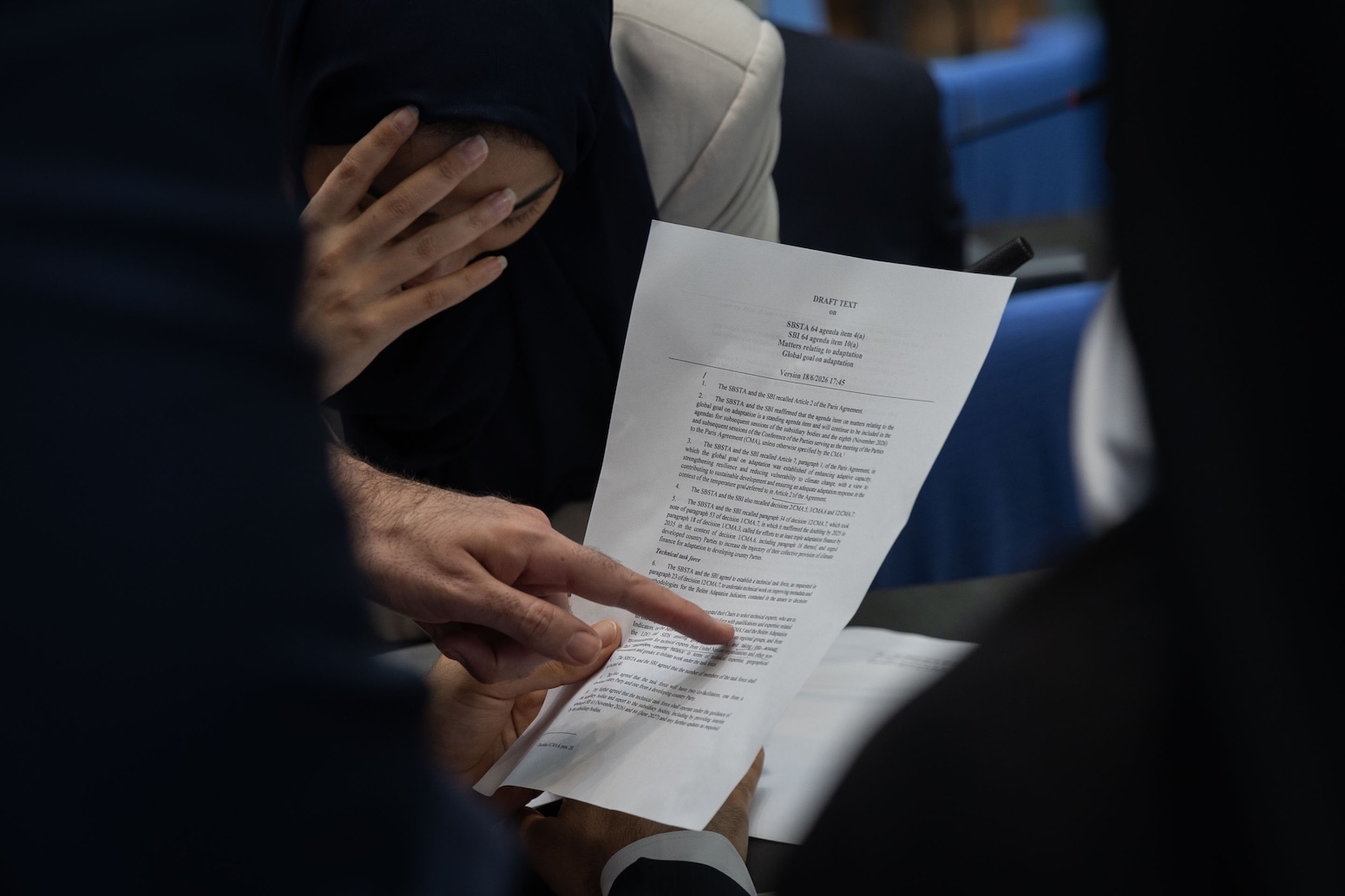
The United Nations climate summit COP31 is centered on negotiating legal agreements among nearly 200 countries in Antalya, Turkey. Diplomats work behind closed doors in the designated “blue zone” to hash out the precise wording of these texts, with negotiations focusing on more than 100 separate agreements. The process begins with countries agreeing on which issues belong on the agenda before substantive negotiations can commence.
Turkey holds the presidency and is hosting the summit, while Australia serves as “president of negotiations,” jointly steering the process. The two nations have announced plans to produce a “cover text” that will summarize key negotiated outcomes and address issues not formally on the agenda. This overarching document may acknowledge that warming is projected to exceed the 1.5 Celsius limit and could include proposed solutions such as Turkey’s target for 35 percent of global final energy to come from electricity by 2035.
Major topics under discussion include finalizing the “global goal on adaptation,” continuing work on emissions reduction strategies, and establishing details for a “just transition mechanism.” The African group has requested additions to the agenda, including climate-related trade tariffs and increased funding for adaptation and the Green Climate Fund. Carbon Brief maintains a searchable text tracker that categorizes agenda items by negotiation status, using color coding to indicate progress from initial disagreement through final adoption.
Negotiators work through multiple iterations of texts, with areas of disagreement marked using square brackets and options. As discussions progress, texts become cleaner and more resolved until they reach a stage where they can be formally adopted at the closing plenary. The summit falls between two major stocktakes of climate progress, though significant negotiations remain on the agenda.
Article Attribution | Read More at Article Source
Article summary produced by Claude AI