

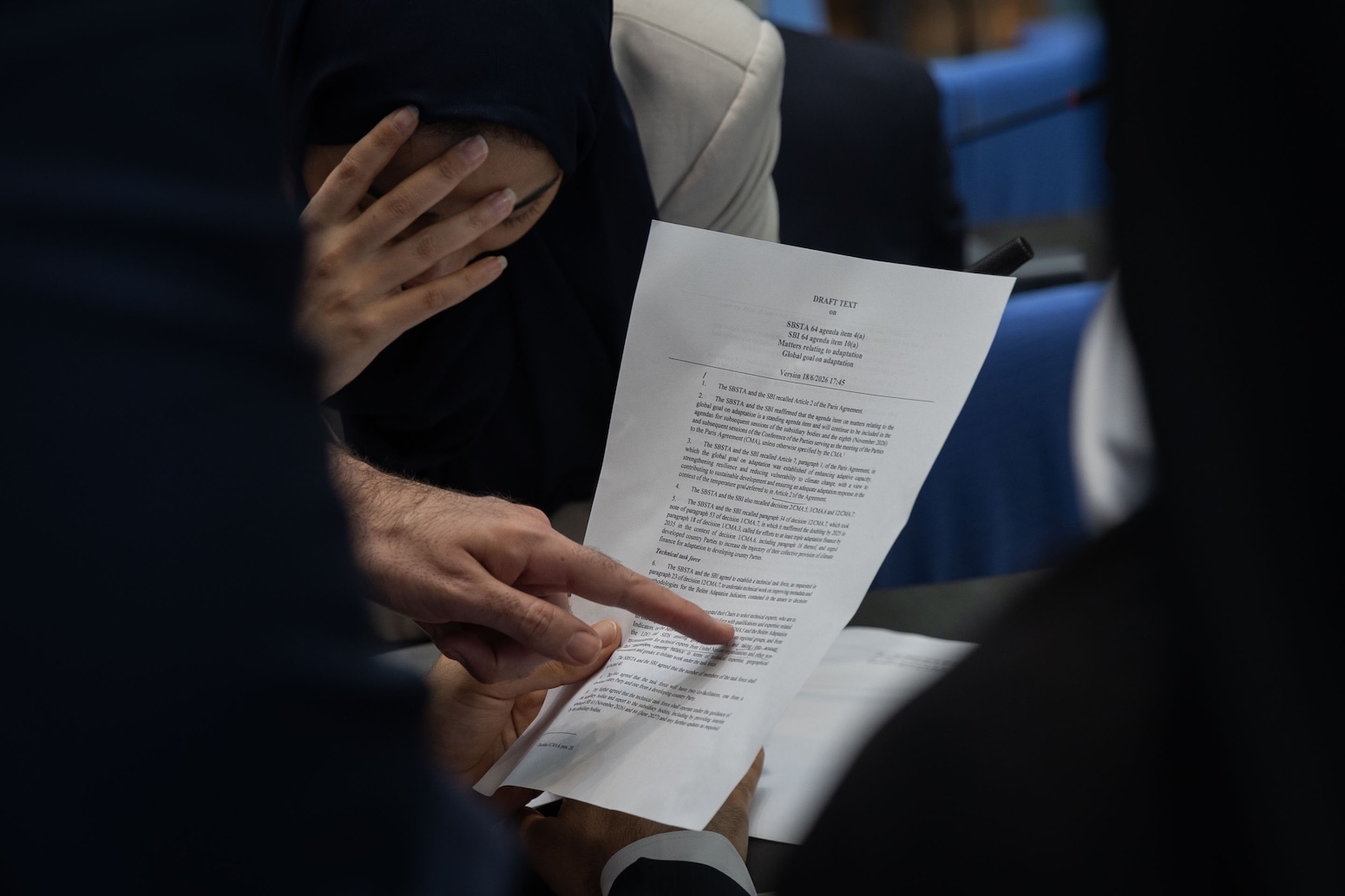
The United Nations climate summit COP31, taking place in Antalya, Turkey, centers on negotiations over numerous legal agreements among nearly 200 countries aimed at addressing climate change. The diplomatic process involves detailed discussions in a designated “blue zone” where representatives work to reach consensus on more than 100 separate agreements, with the preliminary step of establishing which issues will be included on the formal agenda.
Turkey holds the presidency for this summit while Australia serves as the “president of negotiations,” a joint leadership arrangement. The two nations have signaled plans to produce a “cover text,” an overarching political statement synthesizing key negotiated outcomes alongside topics not formally on the agenda. Such a document may acknowledge projections that global warming will exceed the 1.5 degrees Celsius threshold and could highlight proposed solutions, including Turkey’s target for 35% of global final energy to derive from electricity by 2035.
While this particular summit falls between two major global progress assessments and is not anticipated to be a landmark year for negotiations, substantive topics remain under discussion. These include finalizing the “global goal on adaptation,” potentially continuing the “mitigation work programme” focused on emissions reductions, and establishing details for a new “just transition mechanism.” The African group of nations has requested additions to the agenda, including climate-related trade tariffs, tripling of adaptation finance, and increased funding for the Green Climate Fund.
Carbon Brief has established a real-time text tracker to assist observers in monitoring negotiation progress across 102 substantive agenda items. The tracker uses a color-coded system to reflect the status of various topics: red indicates no draft text exists, orange denotes informal drafts showing different parties’ positions, yellow represents formal draft agreements with areas of disagreement marked by brackets and options, and green signifies complete agreement. When consensus cannot be achieved, discussions may be postponed under “rule 16” until subsequent sessions.
Article Attribution | Read More at Article Source
Article summary produced by Claude AI