

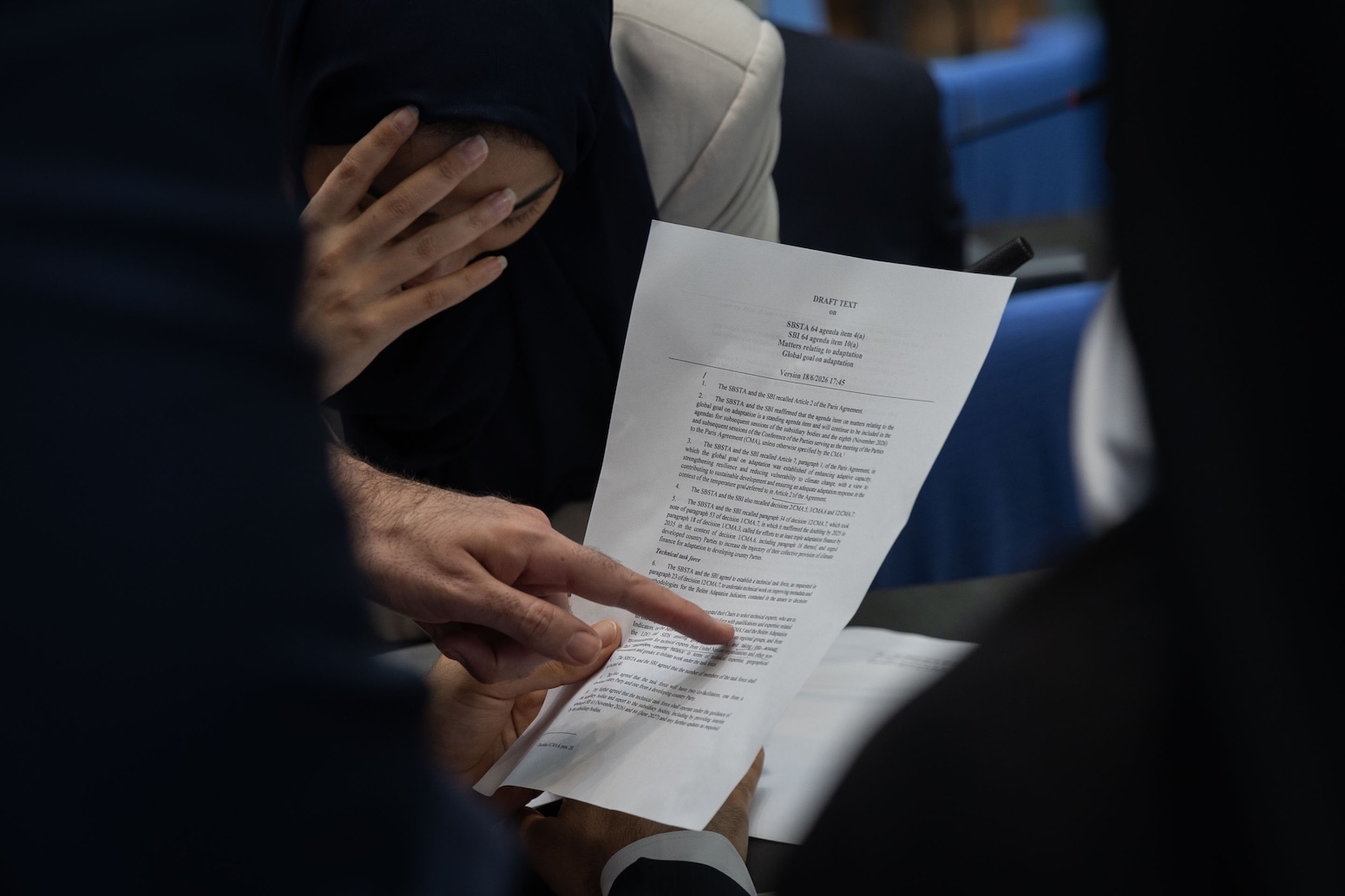
The UN climate summit COP31, taking place in the Turkish city of Antalya, centers on negotiations between nearly 200 nations to finalize multiple legal agreements addressing climate change. The diplomatic process occurs within the summit’s “blue zone,” where country representatives work to reach consensus on more than 100 separate agenda items. The negotiations are complex and multifaceted, requiring detailed discussion of word choice and legal terminology across numerous documents.
Turkey holds the COP presidency and is hosting the summit, while Australia is jointly overseeing the negotiations as “president of negotiations.” The two countries have indicated plans to produce a “cover text,” an overarching political document that will summarize key outcomes from the formal negotiations and potentially address items outside the official agenda. Topics under consideration include the prospect of warming exceeding the 1.5 degrees Celsius target and proposed solutions such as increasing global electricity generation to 35 percent of final energy consumption by 2035.
Major negotiating topics include finalizing a “global goal on adaptation,” continuing discussions on emissions reduction through the “mitigation work programme,” and establishing details for a “just transition mechanism” also known as the “Belém-Antalya mechanism for global just transitions.” Before formal negotiations begin, countries can propose additions to the agenda, a process that sometimes generates significant disagreement known as an “agenda fight.” The African group of nations has requested agenda items addressing climate-related trade tariffs, tripling adaptation finance, and funding for the Green Climate Fund.
Carbon Brief maintains a real-time text tracker monitoring the status of all 104 substantive agenda items. Documents are color-coded to reflect their negotiation stage: red indicates no draft text exists, orange denotes informal early drafts, yellow marks formal legal drafts with remaining disagreements indicated by square brackets, green indicates full agreement, and grey indicates postponed discussions. As negotiations progress, countries work through multiple iterations of texts, developing “bridging text” designed to resolve disagreements and find consensus positions acceptable to all parties before documents are finalized as clean texts ready for formal adoption at the summit’s closing plenary.
Article Attribution | Read More at Article Source
Article summary produced by Claude AI