

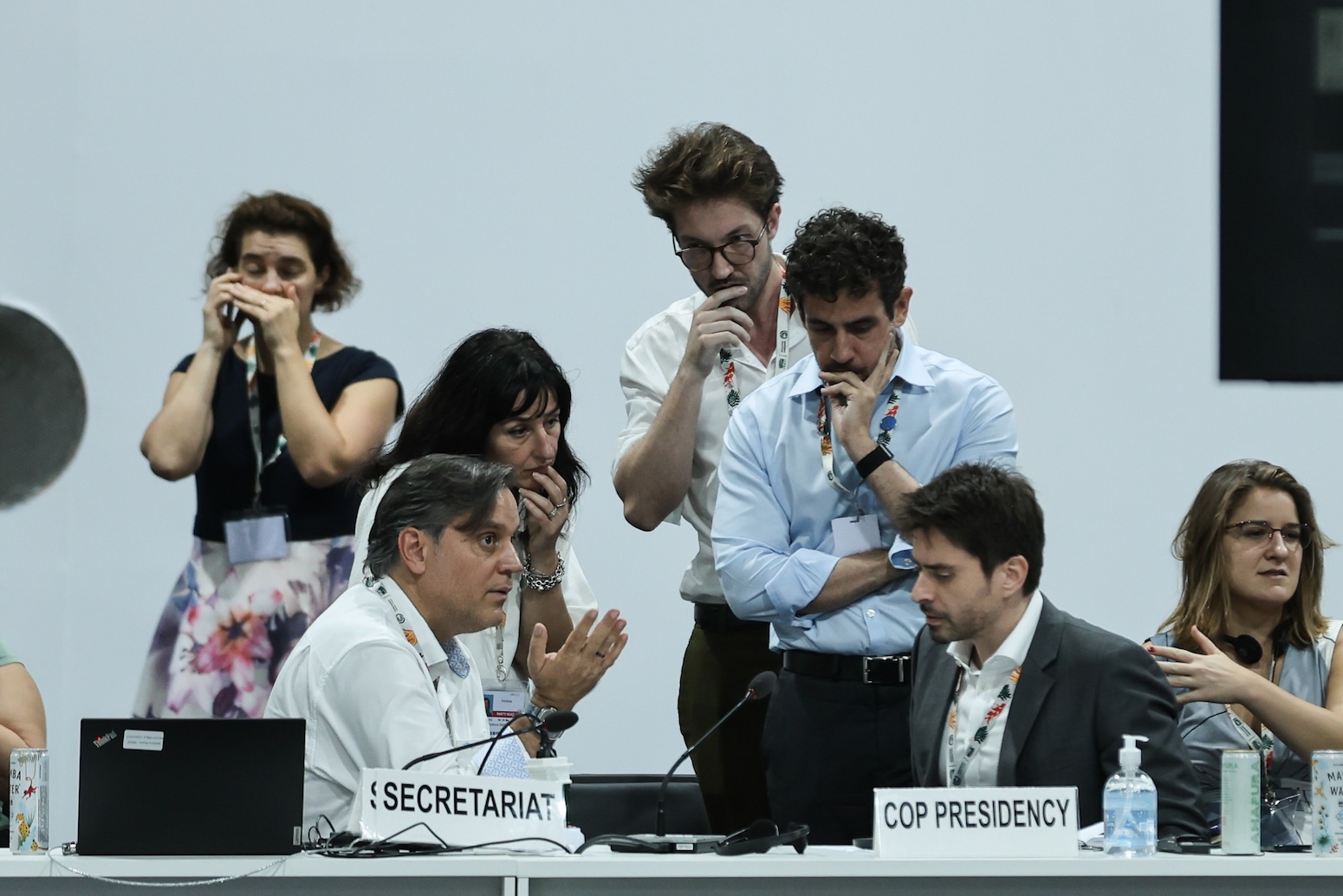
The upcoming COP31 climate summit will convene in the Turkish resort city of Antalya with an unusual joint leadership structure, with Australia leading negotiations while Turkey serves as host. The conference takes place amid significant global challenges, including armed conflict, energy instability, and intensifying climate-related disasters. Beyond formal UN negotiations, Turkey intends to advance its own priorities through an “action agenda” covering electrification, ocean protection, and green industrialization.
A central focus of the summit involves finalizing details of the “Belém-Antalya mechanism,” a framework established at the previous climate conference in Brazil in 2025 to facilitate a gradual transition to low-carbon economies. While foundational aspects were agreed upon during June negotiations, substantial disagreements persist among parties regarding the mechanism’s scope and its relationship to financial commitments. Civil society organizations view the successful implementation of this mechanism as a critical outcome expected from COP31.
Climate finance remains a contentious issue at the negotiations. Developing nations have secured inclusion of a dedicated work programme on this topic, seeking to leverage the agenda to encourage wealthier nations to increase public funding commitments. Some developing countries propose a formal “burden sharing” arrangement to distribute climate finance obligations. This effort occurs as major donor nations reduce aid allocations and political pressure mounts on international development institutions to deprioritize climate-related investments.
Negotiators face several outstanding technical and policy challenges. Previous attempts to establish a global adaptation framework stalled, leaving countries to refine measurement indicators before the next major conference. Additionally, the mitigation work programme—the sole formal agenda item dedicated to reducing greenhouse gas emissions—remains contested, with disagreement over whether efforts should continue or conclude. Nations must also address implementation of outcomes from the first global stocktake conducted in 2023, which outlined necessary climate actions. While most parties have submitted updated climate plans for the 2035 period, several significant nations remain outstanding, and the United States has withdrawn its climate commitment under the current administration.
Article Attribution | Read More at Article Source
Article summary produced by Claude AI