

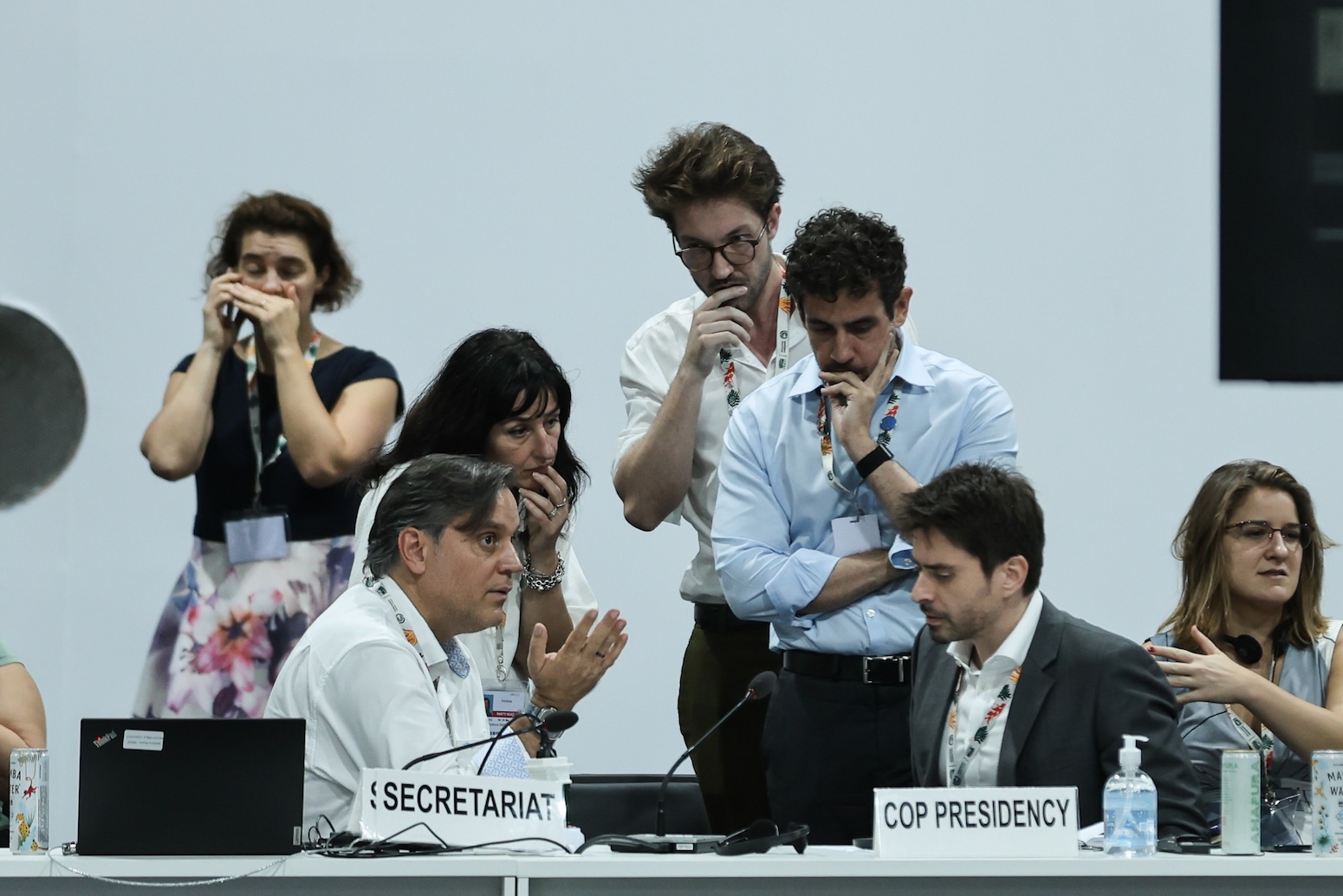
The United Nations climate summit COP31 will take place in the Turkish resort city of Antalya, featuring negotiations across multiple contentious issues. The conference operates under an unusual joint presidency structure, with Australia leading negotiations while Turkey serves as host and advances its own policy priorities through a parallel “action agenda” encompassing electrification, ocean protection, and green industrialization.
A primary focus of discussions involves establishing and refining a “just transition mechanism” designed to facilitate shifts toward low-carbon economies. While foundational elements were agreed upon during June negotiations this year, substantial disagreements persist among nations regarding the mechanism’s scope and whether it should be directly connected to financial support provisions. Civil society organizations have identified successful implementation of this mechanism as a critical expected outcome for the summit.
Climate finance negotiations remain particularly divisive. Developing nations have secured space on the agenda to pressure developed countries for increased public funding commitments, with some proposing formal “burden sharing” arrangements. Developed countries prefer broader discussions centered on improving access to existing financial mechanisms and diversifying funding sources. These dynamics unfold amid reports of major donors reducing aid budgets and pressure from the Trump administration on multilateral development banks to deprioritize climate objectives.
Adaptation financing also represents a significant negotiation point. Nations previously agreed on 59 indicators to measure progress toward a global adaptation goal, though technical refinement of these metrics continues ahead of the next major summit in Ethiopia. Developing countries emphasize that funding for adaptation implementation takes precedence over merely tracking progress and seek confirmation of commitments to triple adaptation finance.
Countries must also address the slow pace of updated national climate plans. Of nearly 200 parties to the Paris Agreement, only 150 have submitted revised contributions covering the period through 2035, with several major economies notably absent from submissions. The summit will additionally initiate a second comprehensive assessment of global climate action, scheduled for completion in 2028.
Article Attribution | Read More at Article Source
Article summary produced by Claude AI