

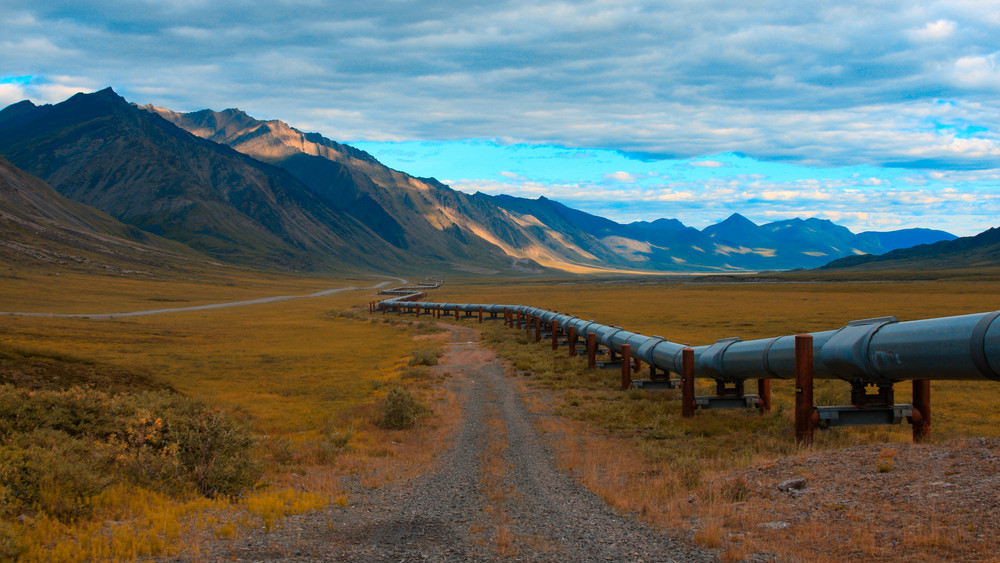
Turkmenistan revealed at an energy forum in late October that the Turkmenistan-Afghanistan-Pakistan-India (TAPI) pipeline project has made significant progress, with construction reaching a site approximately 22 kilometers west of Herat’s industrial district. Satellite imagery from November 7 confirmed the pipeline’s extension from Turkmenistan’s southern border to this construction zone. The $10 billion, 1,800-kilometer pipeline is designed to transport natural gas from Turkmenistan’s Galkynysh gas fields to consumers across Afghanistan, Pakistan, and India.
The project, first conceived in the 1990s, faced decades of setbacks due to instability in Afghanistan and geopolitical tensions among involved nations. By 2024, both India and Pakistan had significantly reduced their engagement with the initiative, and skeptics questioned Turkmenistan’s continued commitment given the substantial costs and repeated delays. However, regional energy disruptions have altered this calculus. Iran’s closure of the Strait of Hormuz has created critical supply constraints affecting the Persian Gulf region, prompting Pakistan to renew its interest in the pipeline during the same Ashgabat forum where progress was announced.
Turkmenistan has invested approximately $600 million in developing the pipeline to Herat at its own expense. Experts suggest that extending the infrastructure south toward Kandahar and Pakistan could require significant external financing, potentially from China or other partners. Afghanistan stands to receive transit fees totaling hundreds of millions of dollars annually should the pipeline reach Pakistani and Indian markets, though the nation is allocated only about 5 percent of the pipeline’s total gas capacity.
Construction challenges have included navigating unexploded ordnance along the route, with Turkmen engineers and equipment handling most technical work while Afghan personnel provide security. In Herat, where recent energy shortages have created difficulties for residents and industry, the pipeline’s approach has generated cautious optimism, though some locals have expressed concerns about pricing and equitable access to the gas. Analysts note that while the pipeline’s technical extension to major energy markets in South Asia appears economically sound, geopolitical uncertainties and Turkmenistan’s resistance to involving external investors continue to cloud the project’s trajectory.
Article Attribution | Read More at Article Source
Article summary produced by Claude AI