

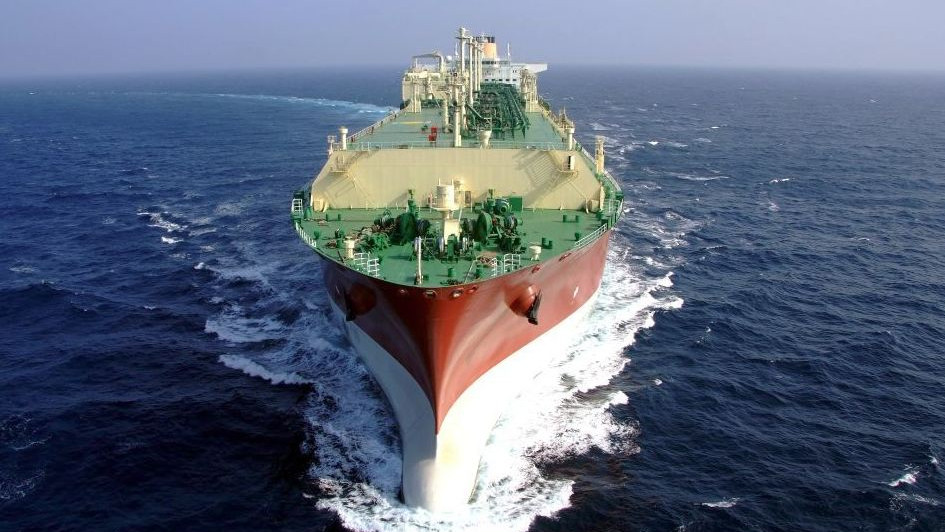
Egypt is confronting significant energy challenges as liquefied natural gas import expenses have escalated sharply in recent months. According to government officials, the price of individual LNG cargoes has surged roughly 100 percent since September, now exceeding $100 million per shipment. In response to mounting costs, Cairo has requested that suppliers defer five of its November LNG cargoes into 2027, supplementing approximately 15 cargoes already postponed since July. The petroleum ministry allocated $10.1 billion for LNG imports in its fiscal year beginning July 1, with spending reaching $5.8 billion by October 6.
Domestic natural gas output presents a more structural concern for Egypt’s energy independence. Production fell to 3.63 billion cubic feet per day in August, continuing a downward trajectory that began in late 2021. Monthly production losses from existing field depletion amount to approximately 120 million cubic feet per day. To manage energy demands amid falling gas output, Egypt imported more gas than it produced in July for the first time on record. Current consumption stands at approximately 3.44 billion cubic feet per day in imports, comprising 2.24 billion cubic feet daily of LNG and 1.20 billion cubic feet daily via pipeline from Israel.
Government efforts to reverse the production decline include accelerated development of new fields and expanded exploration. Petroleum Minister Karim Badawi pledged to add approximately 330 million cubic feet daily of domestic output by year-end through production from the Zohr and West Mina fields and the Meleiha facility. Recent developments include Eni’s Nidoco N-2 well commencing production in July and BP bringing the Fayoum-4 well online in August. Chevron’s Nargis-2 appraisal well confirmed extensions of a previously discovered reservoir while identifying an additional gas-bearing layer. The petroleum ministry extended bidding deadlines for 14 exploration blocks to December 14 following requests from companies for additional time to prepare submissions.
Egypt is simultaneously advancing renewable energy capacity to reduce dependency on fossil fuel imports. The country targets 11.2 gigawatts of renewable capacity by December, up from 9.5 gigawatts in July, with battery storage increasing from 500 megawatt-hours to 1.2 gigawatt-hours. Multiple solar and wind projects have commenced operations in recent months. Finance Ministry officials estimate that each gigawatt of new solar, wind, or nuclear capacity could reduce Egypt’s gas import bill by approximately $250 million annually.
Article Attribution | Read More at Article Source
Article summary produced by Claude AI