

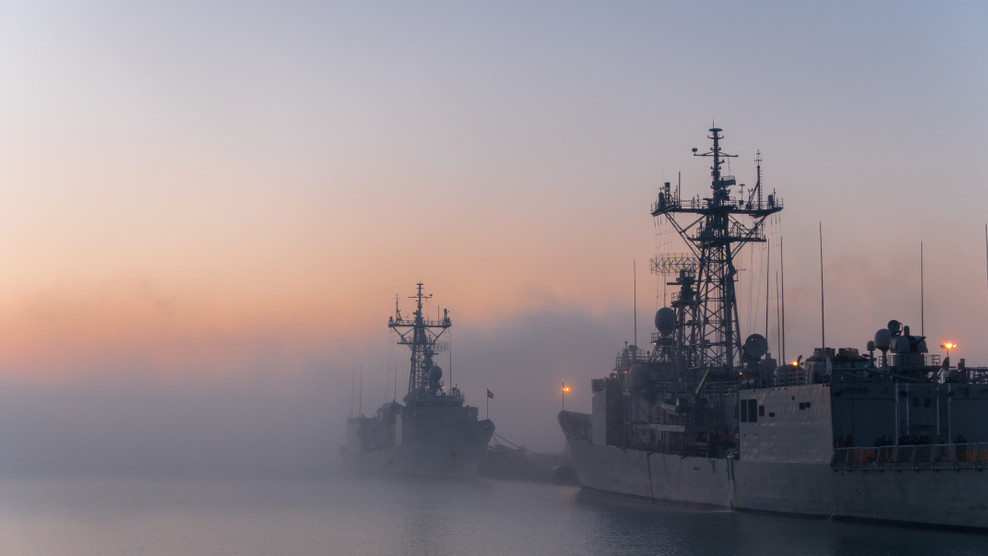
Iranian hardline commentators and outlets affiliated with the Islamic Revolutionary Guards Corps are increasingly promoting the idea of a declared tanker convoy to challenge the U.S. naval blockade of Iranian ports and waters. The campaign gained prominence on November 19 when the IRGC-affiliated Fars news agency published a column supporting the concept, drawing a historical parallel to Iran’s national epic. The proposal includes threats to retaliate against oil facilities in Qatar, Saudi Arabia, and the United Arab Emirates if U.S. forces attack Iranian vessels. While no Iranian official body has formally announced such a plan, various hardline figures have made statements suggesting the idea is under serious consideration.
Iran’s economic situation is driving the urgency of these proposals. According to energy-intelligence firm Kpler, Iran’s revenue from crude oil and condensate exports could fall to zero by mid-December for the first time in the country’s history. The blockade has already significantly impacted Iran’s ability to deliver oil to international buyers, with stranded shipments and a dwindling stockpile. Currently, approximately 20 tankers remain near Kharg Island, Iran’s main oil export terminal, with most having loaded cargo but remaining stationary. Only limited movement has been observed so far, with one notable ship-to-ship transfer detected on November 17.
Analysts remain cautious about interpreting recent developments as evidence of an imminent concerted effort to break the blockade. Kpler senior commodity analyst Homayoun Falakshahi stated it remains too early to confirm serious action is underway, cautioning that isolated incidents could have technical explanations. The situation remains fluid, with observers indicating the coming days will be critical in determining whether additional tankers attempt to move through the blockade.
The blockade has been in place for approximately 195 days total, with the current continuous period lasting 129 days since its reimposition on July 14. The U.S. first imposed the blockade on April 13 following the collapse of U.S.-Iran talks in Islamabad, lifted it on June 18 under a memorandum of understanding, and reinstated it after that agreement unraveled. The operation is also imposing substantial costs on the United States, with estimates placing the daily expense at approximately $32.5 million and tying up more than 30 percent of U.S. Navy warships.
Article Attribution | Read More at Article Source
Article summary produced by Claude AI