

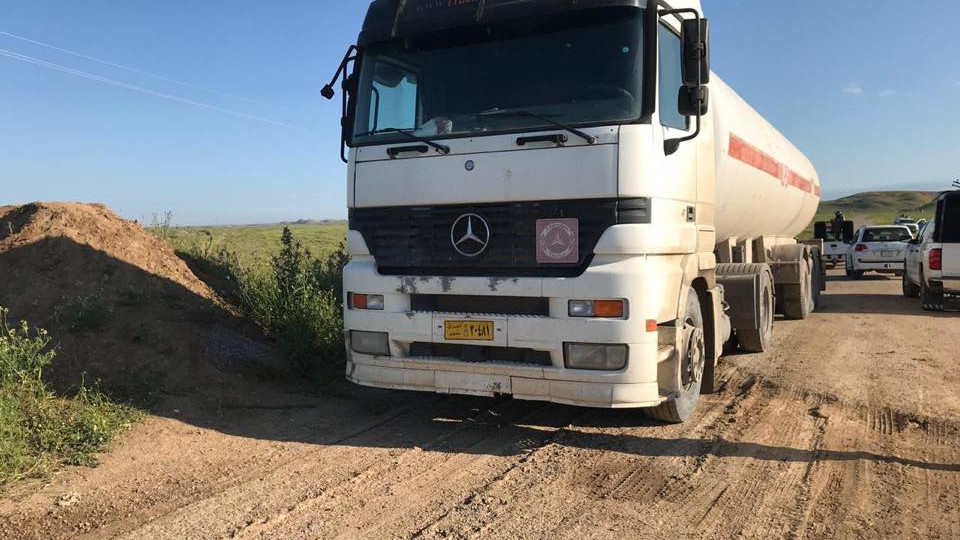
Iraq’s closure of the Al-Sheeb border crossing with Iran represents a test of Baghdad’s ability to manage its security challenges while maintaining economic stability. The crossing, located in Maysan Province, handles significant volumes of passenger traffic, commercial goods, and religious pilgrims. Iraqi officials have attributed the closure to security concerns, technical insufficiencies, and issues related to drug trafficking and counterfeit currency, though explanations have varied. Iran’s government disputed the rationale and stated it received no advance notice.
The immediate economic impact has been concentrated in Maysan Province, where local officials and business operators have reported disruptions. Truck drivers, taxi operators, and border workers have protested lost income, while traders documented price increases for certain goods. Provincial lawmakers have demanded the crossing’s reopening, with the provincial council chairman threatening civil disobedience. However, Iraq’s General Customs Authority indicated on 31 October that the crossing could reopen at any time if conditions warrant it, suggesting a potential path toward resolution.
The closure reflects broader geopolitical tensions involving multiple actors. Tehran seeks Iraqi action against Iranian Kurdish opposition groups operating within Iraq’s borders, while Washington has pressed Baghdad to prevent its territory from supporting Iran-backed militias and smuggling operations. Prime Minister Ali al-Zaidi’s government faces competing demands from both powers while attempting to pursue its own economic objectives. The closure also coincides with announced U.S. efforts to intercept Iranian weapons shipments through ground routes.
Iran’s economic significance to Iraq warrants careful consideration. Iranian suppliers account for approximately 20 percent of Iraq’s consumer market, providing agricultural products, foodstuffs, construction materials, and manufactured goods. Bilateral trade volume reached roughly USD 8.9 billion during 2024-25. A brief closure at one crossing represents a localized disruption manageable through alternative routes and suppliers in Turkey, Jordan, and Saudi Arabia, though rerouting increases costs and delays. A prolonged shutdown affecting multiple crossings would create more serious consequences, potentially raising consumer prices, reducing customs revenue, and creating incentives for smuggling that would undermine enforcement goals.
Energy supplies dependent on pipeline arrangements with Iran remain separate from the land crossing closure and are not immediately affected. The government must balance legitimate security concerns against economic consequences while resisting external pressure to dictate policy, as prolonged trade disruptions could invite Iranian retaliation and complicate broader regional development initiatives.
Article Attribution | Read More at Article Source
Article summary produced by Claude AI