

Ireland is increasingly focused on protecting subsea cables that cross its waters, which carry nearly all transatlantic communications and financial transactions between North America and Europe. Approximately 75 percent of transatlantic subsea cables pass through or near Irish territorial waters, according to the Irish government, making the country strategically important to global digital infrastructure. The nation is also home to major U.S. technology companies and numerous data centers supporting the digital economy.
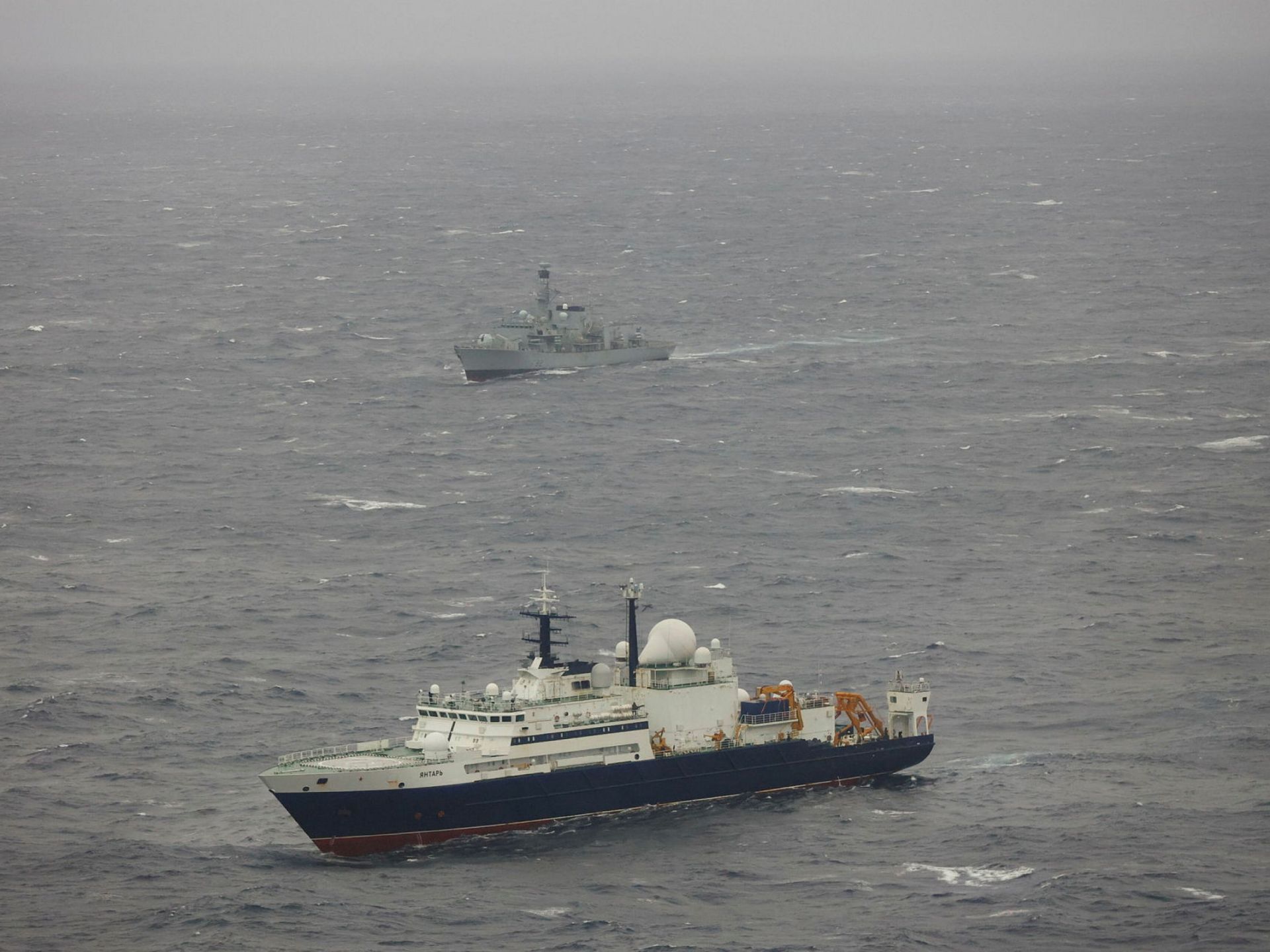
Concerns about cable security have mounted following several incidents involving Russian vessels in the region. In November 2024, the Russian ship Yantar, described by the United Kingdom Ministry of Defence as a spy ship, was monitored near undersea infrastructure in the Irish Sea and subsequently escorted out of Ireland’s exclusive economic zone by the Irish Navy. Two months later, UK authorities said the vessel was detected near critical undersea infrastructure in British waters. In late 2025, the British government accused Yantar of directing lasers at Royal Air Force pilots monitoring its activities in the North Sea.
Ireland currently faces significant constraints in monitoring and defending its maritime territory. The country maintains the lowest defense spending as a proportion of GDP among EU members and possesses no submarine capacity. As a militarily neutral nation not part of NATO, Ireland historically benefited from a peace dividend following conflicts and the Cold War’s end, leading successive governments to reduce defense investments. However, recent security developments have prompted reassessment of this approach.
The Irish government has taken steps to strengthen its naval capabilities, recently granting the navy expanded authority to board and inspect suspicious vessels. Additional incidents in the Baltic region have underscored the risks, including a December 2024 incident involving a suspected Russian shadow fleet tanker that damaged cables in the Gulf of Finland, and a December 2025 case where a cargo ship damaged telecommunications cables between Finland and Estonia, resulting in a sabotage conviction of its Russian captain and Azerbaijani boatswain.
Officials and experts have emphasized that protecting undersea infrastructure will require coordinated international efforts. They argue that interference with these cables could seriously harm global economic systems dependent on seamless digital connectivity.
Article Attribution | Read More at Article Source
Article summary produced by Claude AI