

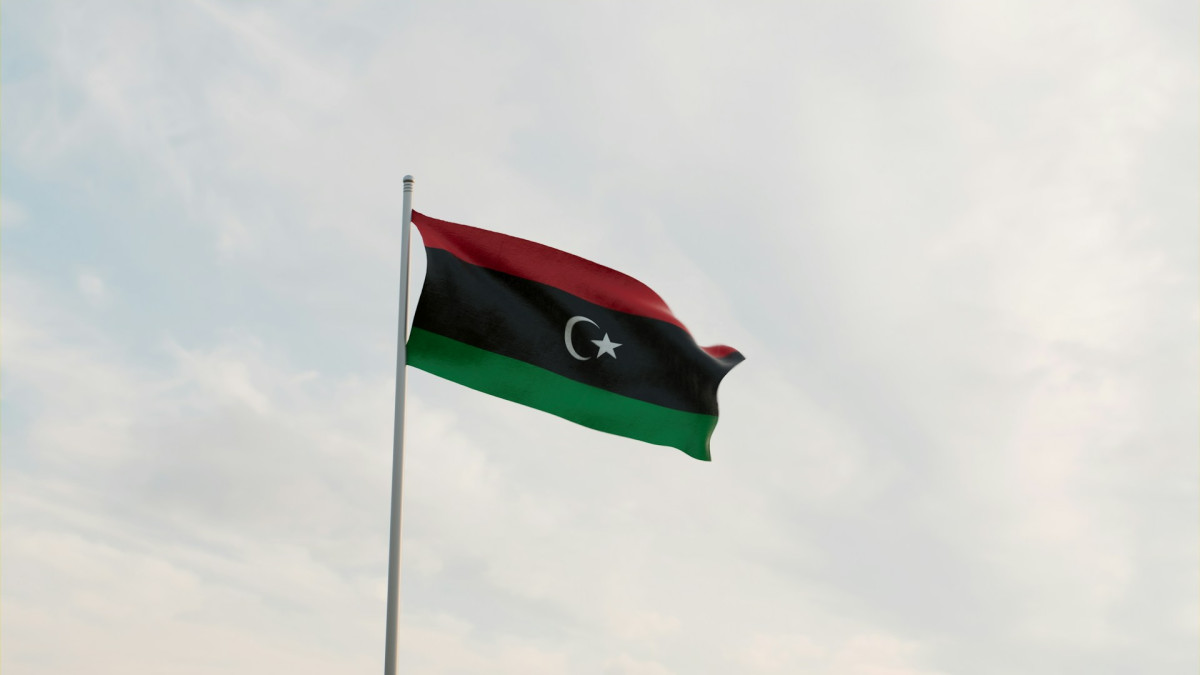
Libya possesses approximately 48 billion barrels of proved crude reserves, the largest on the African continent, yet major Western oil companies are demonstrating increasing reluctance to commit substantial capital to the country’s energy sector.
This hesitation became evident following Libya’s February 2026 licensing awards, the first offered since 2007, which the government had promoted as catalyzing renewed investment. The licensing round fell significantly short of expectations, with only five of 22 blocks awarded despite 37 companies pre-qualifying for participation. Major international oil firms including Shell, TotalEnergies, ExxonMobil, and BP either declined to participate or refrained from submitting binding bids, leaving more than 75 percent of offered blocks unsold. The blocks that were assigned went to Repsol, Turkey’s TPAO, Hungary’s MOL, Italy’s Eni, QatarEnergy, Chevron, and Nigeria’s Aiteo Group. While discussions occurred last week regarding exploration plans for 2027 involving a consortium of Repsol, TPAO, and MOL for one deepwater block, such projects typically require six to ten years before producing oil.
Historically, Libya’s oil sector appeared attractive. Before 2011, the country maintained production around 1.65 million barrels per day of high-quality crude, with flagship grades Es Sider and Sharara highly valued in European markets. The state-owned National Oil Corporation had developed credible plans for enhanced oil recovery techniques that could potentially add approximately 775,000 barrels daily of capacity.
The primary obstacle deterring deeper Western involvement remains Libya’s unstable security environment, rooted in unresolved disputes over oil revenue distribution. These tensions originated from a peace agreement reached on 18 September 2020 that ended a major production blockade, with General Khalifa Haftar, commander of the rebel Libyan National Army, insisting the agreement represented only an interim arrangement pending resolution of revenue-sharing questions. This underlying conflict continues to discourage long-term capital commitments from international energy companies.
Article Attribution | Read More at Article Source
Article summary produced by Claude AI