

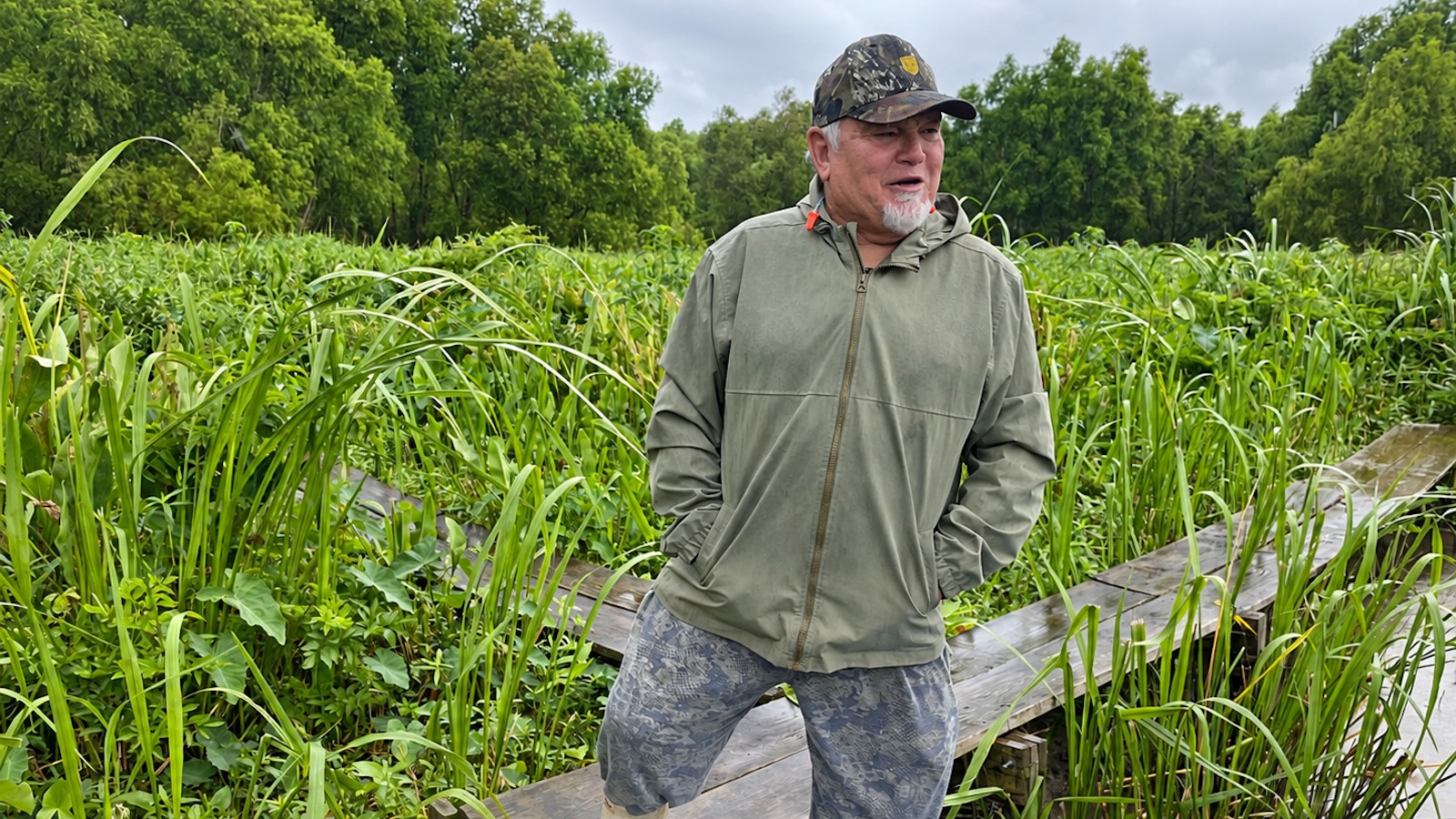
Southeastern Louisiana’s Barataria Basin is experiencing an unusual reversal of coastal land loss, with wetlands gaining ground in areas served by the Davis Pond Freshwater Diversion. The facility, constructed by the U.S. Army Corps of Engineers in 2002 near Luling in St. Charles Parish, channels Mississippi River water into the basin to combat saltwater intrusion. An unintended consequence has emerged: the muddy river sediment being transported into the wetlands has raised the basin floor and facilitated new land formation, transforming narrow waterways into areas thick with vegetation and raising water depths that previously measured in feet to mere inches in some locations.
This accidental success story inspired Louisiana to pursue more ambitious sediment diversion projects as a cornerstone of its coastal restoration strategy. The state launched the Mid-Barataria Sediment Diversion, a $3 billion initiative envisioned as the largest environmental restoration effort in U.S. history. The project broke ground in 2023 but faced strong political opposition. Governor Jeff Landry, who took office in 2024, terminated the initiative in July 2025, characterizing it as a costly and ineffective experiment that would harm commercial fishing by introducing excessive fresh water and sediment into Barataria Bay, potentially damaging shrimp stocks and burying oyster beds. A companion $1.8 billion Mid-Breton Sediment Diversion project also faced cancellation.
Despite the high-profile cancellations, Louisiana’s Coastal Protection and Restoration Authority continues pursuing diversion-based restoration on a smaller scale. Budget documents reviewed by media outlets indicate the state plans to allocate at least $340 million toward five diversion projects over coming years, a significant increase from the $47 million spent on three completed diversions since 2007. The largest planned initiative is a $334 million restoration of Maurepas Swamp, a massive wetland complex west of Lake Pontchartrain that began construction in 2024. This project will install gates in the Mississippi River levee to channel river water into the swamp, expected to rebuild approximately 45,000 acres and complete late next year.
The state is also revisiting an earlier proposal for the Medium Diversion at Myrtle Grove, which would divert water at roughly one-third the rate of the canceled Mid-Barataria project while incorporating direct sediment dredging and pumping to accelerate marsh creation. CPRA scientists maintain that mimicking the Mississippi River’s natural sediment-building processes through targeted diversions remains sound environmental policy, even as political leadership has restricted larger-scale implementation of the approach.
Article Attribution | Read More at Article Source
Article summary produced by Claude AI