

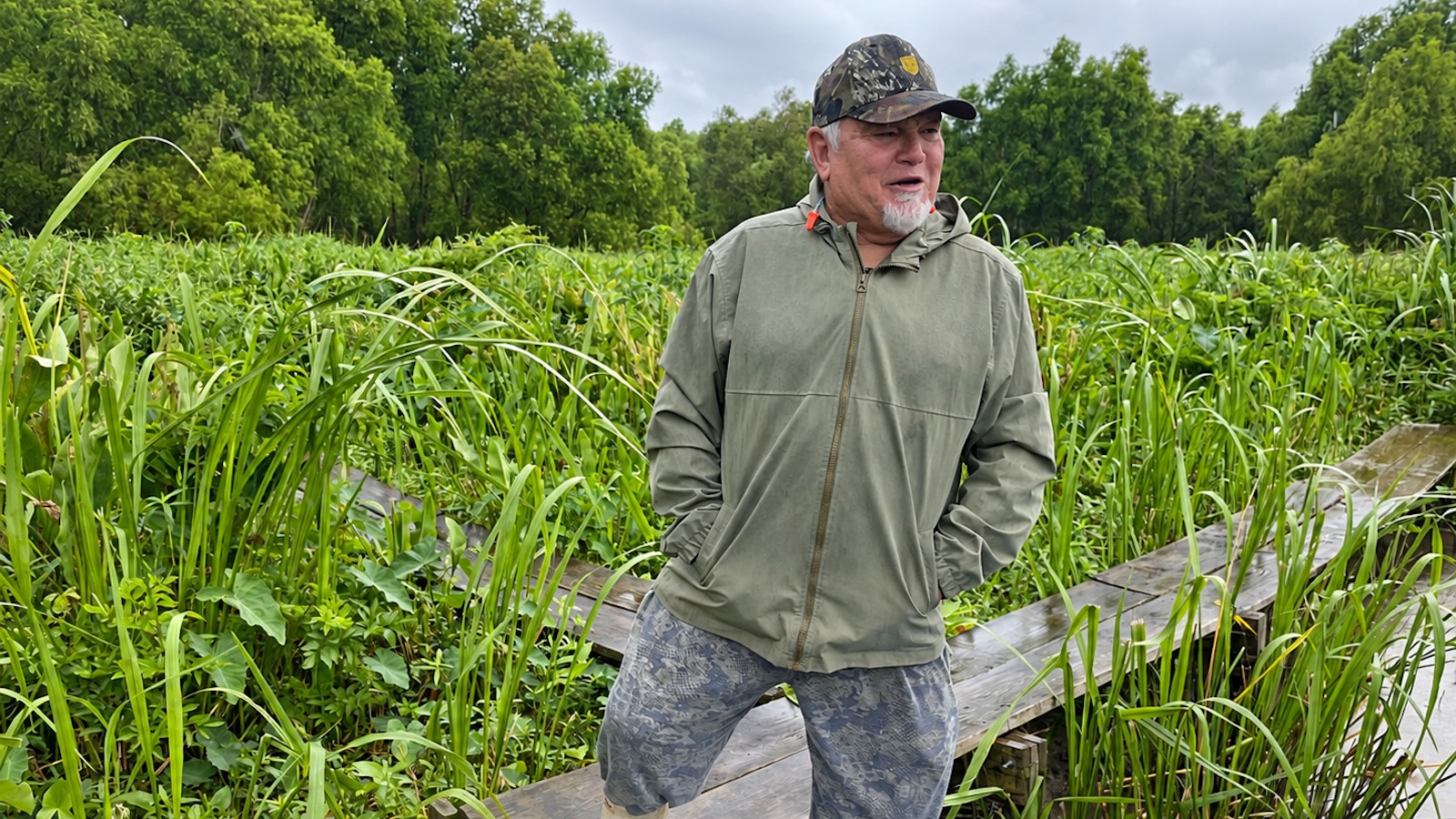
Louisiana’s coastal zone has experienced severe erosion, receding at approximately 11 square miles annually over the past century due to a combination of environmental and climate factors. However, a section of the Barataria Basin demonstrates a notable reversal of this trend, with marshes and wetlands expanding rather than contracting. The reversal stems from the Davis Pond Freshwater Diversion, constructed by the U.S. Army Corps of Engineers in 2002 to prevent saltwater intrusion. The facility unintentionally became a land-building tool by channeling Mississippi River water and its sediment load into the basin, raising the bottom and creating new land.
Recognizing the potential of this approach, Louisiana developed an ambitious plan to implement larger diversions. The state initiated the Mid-Barataria Sediment Diversion, a $3 billion project that broke ground in 2023 and was initially promoted as the nation’s most significant environmental restoration effort. However, the project was halted after Governor Jeff Landry took office in 2024, with work stopping shortly thereafter. Landry, a Republican who opposed the diversion, officially terminated it in July 2025, characterizing it as a costly experiment that would harm the commercial fishing industry by introducing excessive freshwater and sediment into Barataria Bay. The state also canceled the companion Mid-Breton Sediment Diversion, valued at $1.8 billion.
Despite publicly opposing the large diversions, the state’s Coastal Protection and Restoration Authority is planning additional smaller-scale diversion projects. Budget documents reviewed by Verite News indicate the state intends to invest at least $340 million across five projects over coming years to divert Mississippi River water for coastal restoration. The majority of this funding targets the Maurepas Swamp restoration project, a $334 million undertaking that began in 2024 and is expected to complete late next year. The authority also plans to revisit a previously proposed smaller version of the Barataria diversion at Myrtle Grove, which would move approximately one-third of the original project’s water volume into the basin while supplementing restoration through sediment dredging operations.
Article Attribution | Read More at Article Source
Article summary produced by Claude AI