

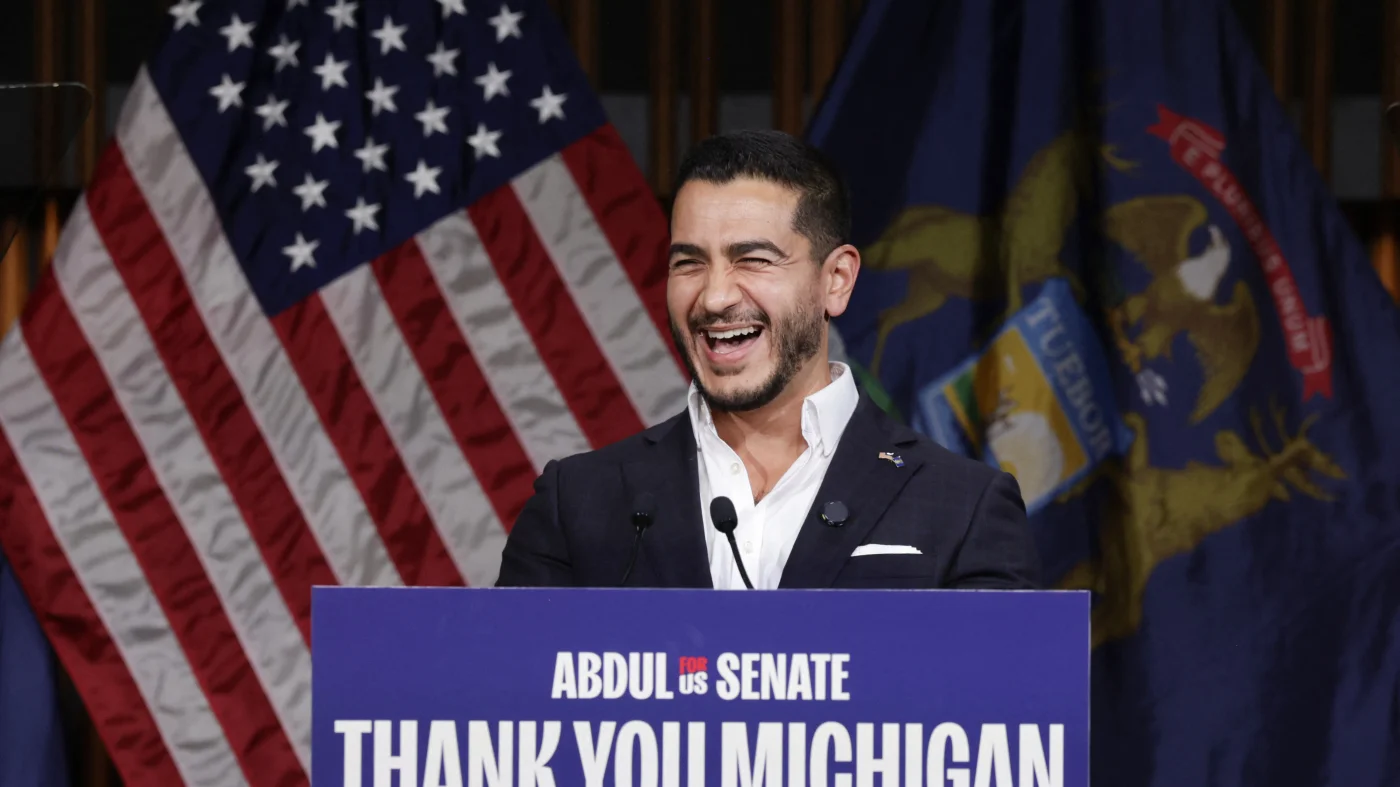
Following recent midterm elections, several new Democratic senators campaigned on expanding government-funded healthcare coverage, signaling renewed efforts to advance Medicare for All legislation in Congress. The movement reflects voter concerns about healthcare affordability that dominated campaign discussions across the country.
Historically, healthcare reform efforts have fractured the Democratic Party over fundamental disagreements about implementation. The Clinton administration’s 1993-94 health reform initiative and the 2010 Affordable Care Act both faced internal disputes between those seeking comprehensive overhauls like Medicare for All and those favoring incremental changes such as a public option. Similar divisions appear likely to emerge again as Democrats contemplate their approach.
One significant obstacle to Medicare for All’s advancement involves widespread public confusion about the proposal’s actual mechanics. While the phrase generates support in abstract polling, backing fluctuates substantially based on how the policy is presented. Survey research indicates support can range from approximately 75 percent when framed as guaranteeing healthcare rights and reducing costs to the 20s when described as requiring tax increases or affecting current Medicare programs.
The Medicare program itself faces structural challenges that complicate expansion plans. The hospital insurance trust fund is projected to become insolvent in 2033. Additionally, the program imposes significant out-of-pocket expenses for beneficiaries through premiums, deductibles, and coinsurance, while failing to cover dental, vision, hearing, and long-term care services. Expanding Medicare benefits would require substantial funding increases and likely substantial tax hikes, according to external analyses.
Democratic leadership has indicated receptiveness to Medicare for All proposals, with incoming House leadership expressing support for expanded government coverage options. However, prospective legislative majorities encompass ideologically diverse members, including both progressives and moderates from competitive districts, creating internal tension. Additionally, veto threats from the Trump administration pose external obstacles, as the new Democratic majorities lack supermajority power to override presidential rejections. A notable shift from previous reform debates involves public opinion, with recent polling showing Medicare for All support at historically high levels and majorities expressing willingness to eliminate private insurance.
Article Attribution | Read More at Article Source
Article summary produced by Claude AI