

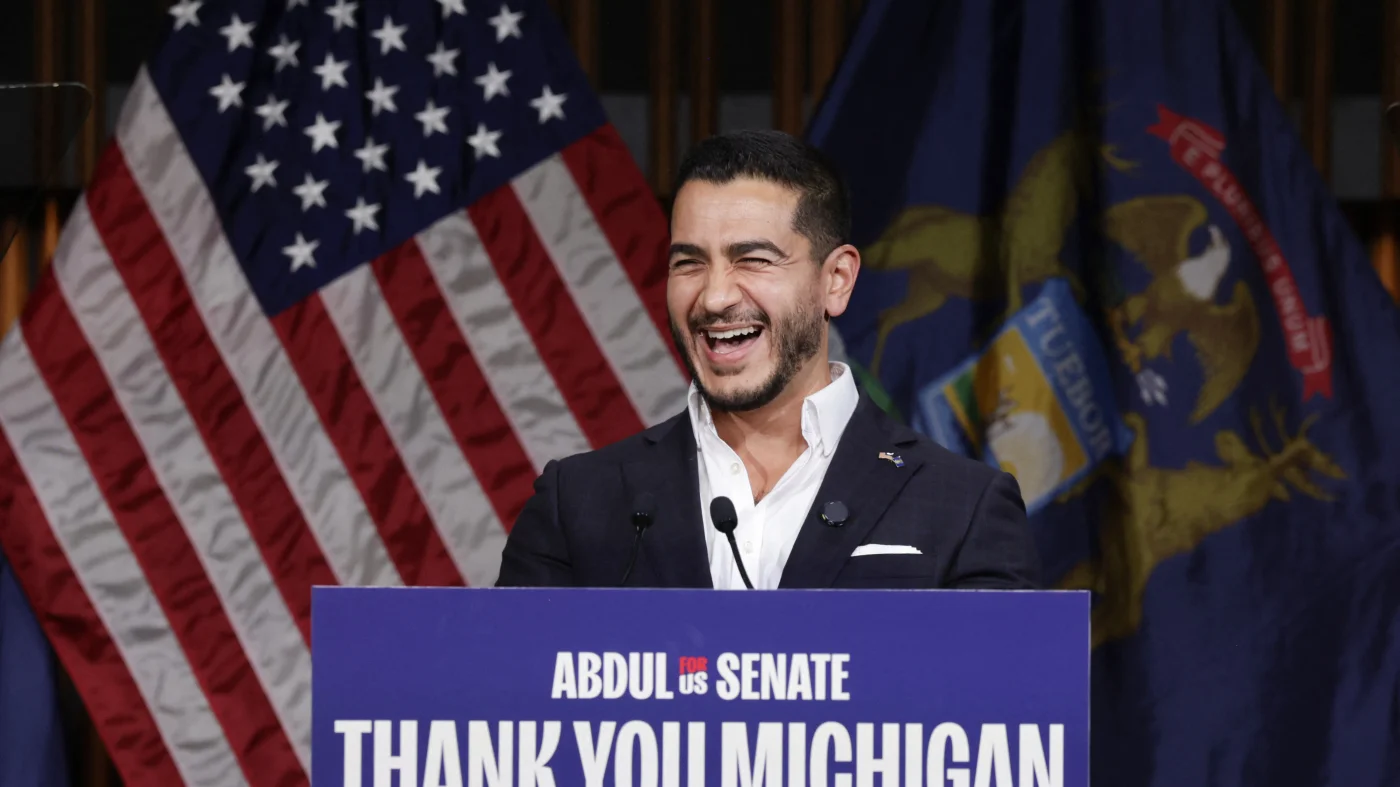
Several Democratic candidates who made government-funded universal healthcare central to their campaign messaging won Senate races in Michigan, Maine, Iowa, and Texas earlier this month. These newly elected senators, along with incoming colleagues, have indicated intentions to urge Democratic majorities in both chambers to prioritize addressing the nation’s healthcare affordability challenges, which voters repeatedly cited as a concern during the election cycle.
Despite widespread agreement among elected officials that healthcare should be accessible and affordable for all Americans, the Democratic Party has historically fragmented over implementation details when healthcare policy reaches the national agenda. Similar divisions emerged during the Clinton administration’s health reform efforts in 1993-94, when disagreements arose between those advocating dramatic overhaul and those favoring incremental changes like a public option. The Affordable Care Act faced comparable internal disputes before achieving passage in 2010.
Experts note that public support for Medicare for All fluctuates significantly based on how the policy is described to voters. Survey research indicates support can reach approximately three-quarters approval when framed around guaranteed healthcare rights and reduced costs, but can drop to the 20s when described as requiring higher taxes or potentially affecting current Medicare beneficiaries. Additionally, the existing Medicare program itself faces financial challenges, with its hospital insurance trust fund projected to become insolvent in 2033 according to current projections.
The incoming Democratic Congress will confront multiple competing priorities, including whether to reverse spending cuts implemented by the Trump administration to Medicaid and Affordable Care Act plans, or to pursue expanded coverage. House Speaker-elect Hakeem Jeffries of New York has already voiced support for expanding government-funded coverage through measures such as lowering Medicare eligibility ages and extending coverage to all children. However, Democrats face ideological diversity within their own ranks, with moderate members from swing districts alongside progressive pushers of Medicare for All, complicating consensus-building efforts.
A notable shift from previous healthcare reform debates is the increased public receptiveness to systemic change. Recent polling data found that support for Medicare for All reached its highest level since tracking began, with a majority of survey respondents expressing willingness to support the policy even if it required eliminating the private insurance industry—marking a significant departure from historical patterns of public resistance.
Article Attribution | Read More at Article Source
Article summary produced by Claude AI