

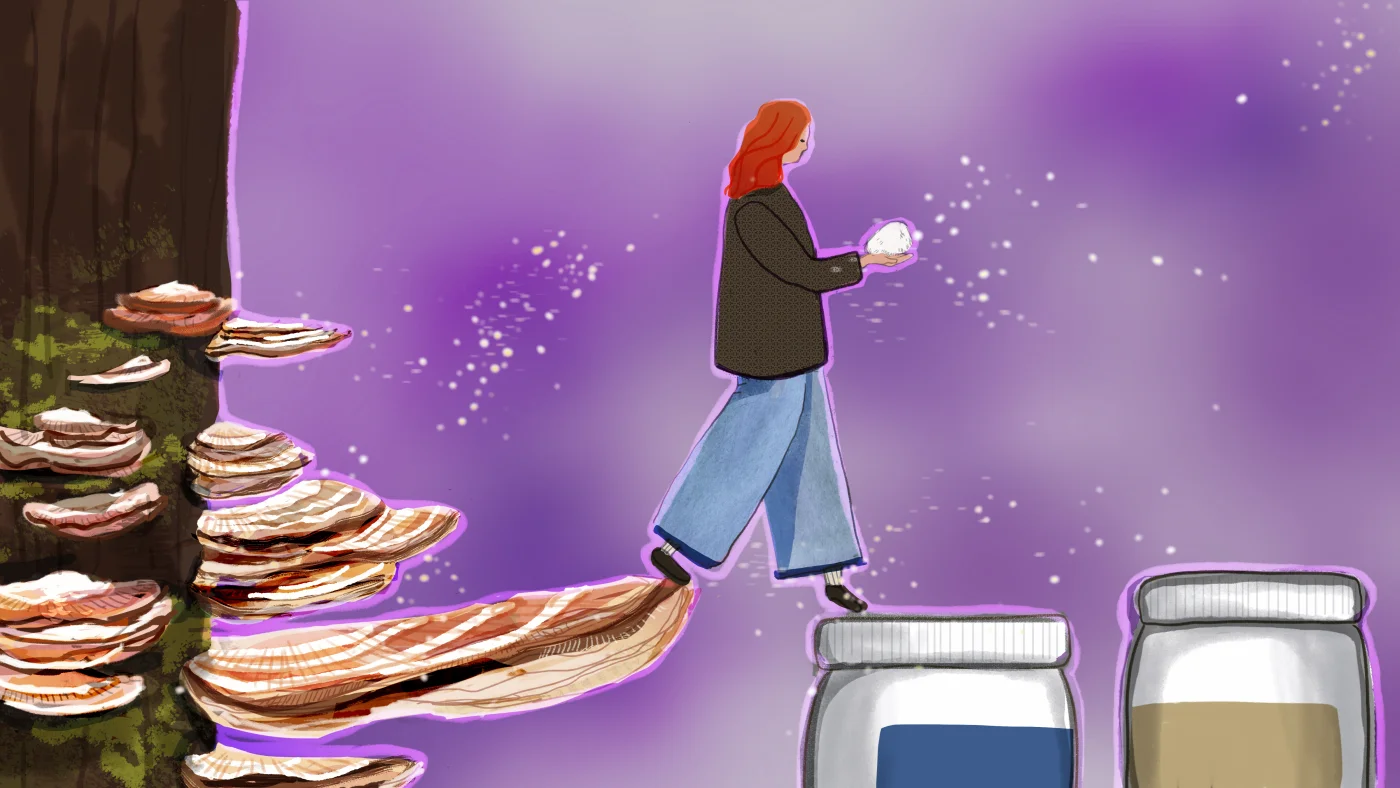
Mushroom supplements have gained popularity as functional foods and dietary additions, with proponents claiming benefits ranging from improved cognition to enhanced immune function and anti-aging effects. Julie Daoust, vice president of science and innovation at Monterey Nutra, notes that mushrooms share more biochemical similarity with humans than plants do, potentially making them more likely to produce bioactive compounds relevant to human health.
However, scientific validation of these marketing claims remains insufficient. Registered dietitian Abby Langer states that robust clinical trials proving efficacy and safety are largely absent, and she cautions that mushrooms can accumulate both beneficial and harmful materials from their growing environment. She acknowledges that mushrooms have been used in certain Asian healing traditions for generations, but emphasizes that historical use does not automatically establish safety, effectiveness, or proper dosing. Nutritionally, mushrooms do provide vitamin D2, antioxidants, and beta-glucan, which has been linked to gut health and immune response.
Research on specific mushroom compounds shows some promising but limited results. A meta-analysis examined 8,009 patients across eight randomized controlled trials who underwent surgical removal of gastric tumors, finding that those also given PSK, a purified extract from turkey tail mushrooms, showed a 12% reduction in death risk. However, Santhosshi Narayanan, an integrative oncologist at the University of Texas MD Anderson Cancer Center, emphasizes that such findings do not mean mushrooms alone cure cancer and that additional research is needed, particularly for populations outside Japan with different genetics or treatment regimens.
A comprehensive 2023 analysis by Narayanan’s team surveyed 2,349 studies on medicinal mushrooms and cancer but found only 39 sufficiently robust for inclusion. Of those, 31 showed beneficial effects related to quality of life and survival metrics, while six showed no advantage and two reported worse outcomes. The analysis concluded that evidence remains insufficient to support routine clinical use of mushrooms in cancer treatment. Langer recommends that individuals first address fundamental dietary practices before adding supplements, suggesting improvements such as increasing fiber and protein intake, reducing alcohol and sugar-sweetened beverages, and eating out less frequently.
Article Attribution | Read More at Article Source
Article summary produced by Claude AI