

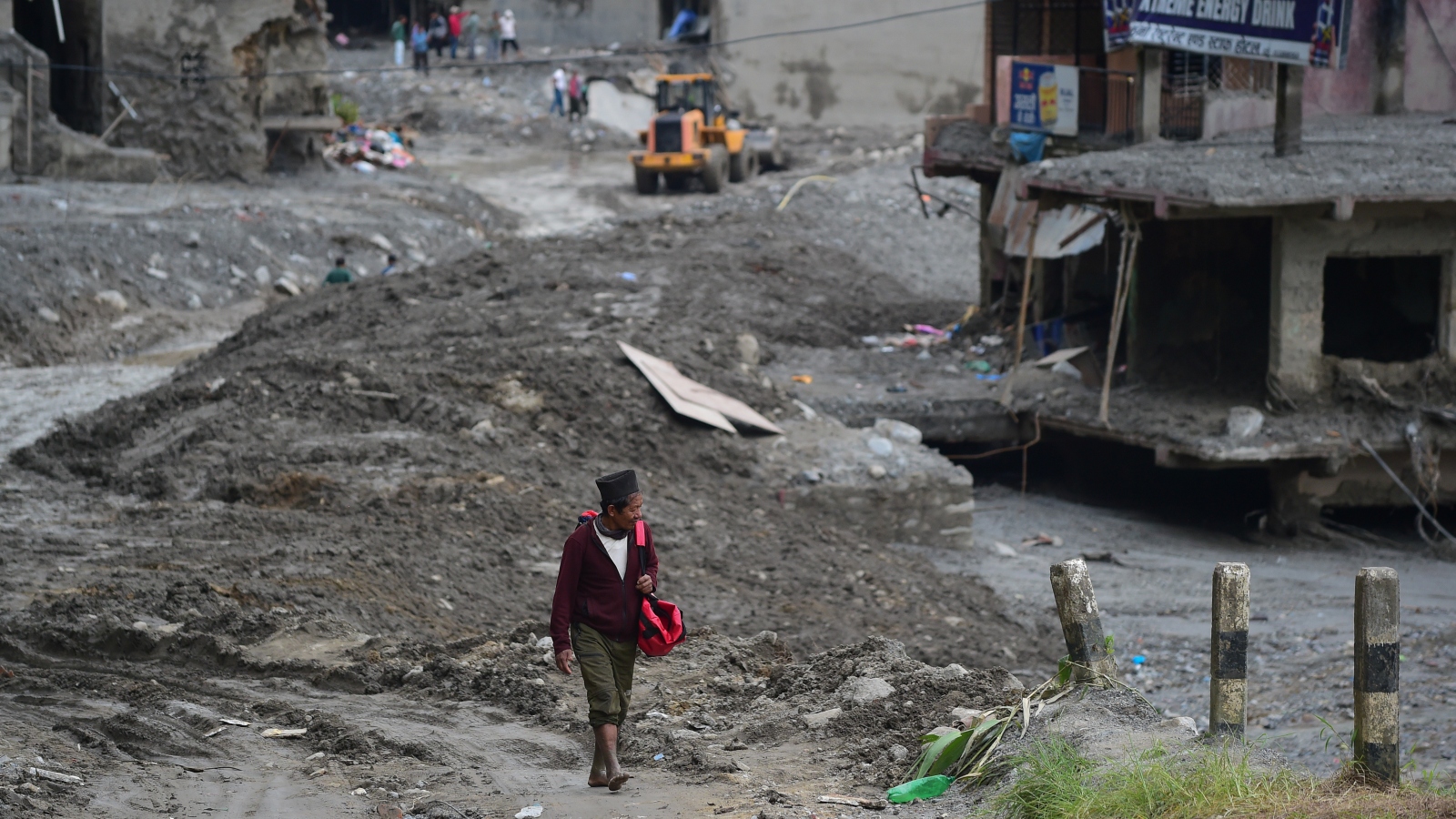
Nepal’s delegation arrived at COP31 in Antalya, Turkey, hoping to secure additional relief funding following a catastrophic flooding event that occurred three months earlier in the Himalayan region. A glacial collapse in the Bhotekoshi area resulted in over 1,400 deaths and approximately 5,000 missing persons, with initial scientific assessments suggesting global warming contributed to glacier weakening and permafrost melting. Rebuilding costs are estimated at $4.8 billion, representing roughly 10 percent of the nation’s gross domestic product.
Developing nations have long contended that wealthy countries have failed to meet financial commitments outlined in the 2015 Paris Agreement, which promised substantial climate finance transfers to support adaptation and recovery efforts. Rather than loans, the accord emphasized grant-based resources. Tensions at the conference centered on rich nations maintaining their current pledge of $300 billion annually in climate finance by 2035, while developing countries argued this amount was insufficient given accelerating climate impacts.
Nepal’s efforts at COP31 proved unsuccessful on multiple fronts. Not only did wealthy nations decline to provide additional disaster relief, but the conference also failed to advance support for preventive measures such as glacial melt detection systems and dedicated research forums for mountain climate risks. The summit notably concluded without a final overarching agreement, marking only the second such outcome in 20 years.
The U.N. established the Fund for Responding to Loss and Damage in 2022 to address climate-related catastrophes, yet its implementation has proceeded slowly through bureaucratic processes. Nepal’s emergency request resulted in a $20 million allocation in October, representing less than half a percent of required reconstruction costs. Officials noted that even this expedited funding would require months to disburse and obligated Nepal to submit detailed spending proposals before receiving resources, raising questions about the mechanism’s ability to respond effectively to urgent humanitarian crises.
Article Attribution | Read More at Article Source
Article summary produced by Claude AI