

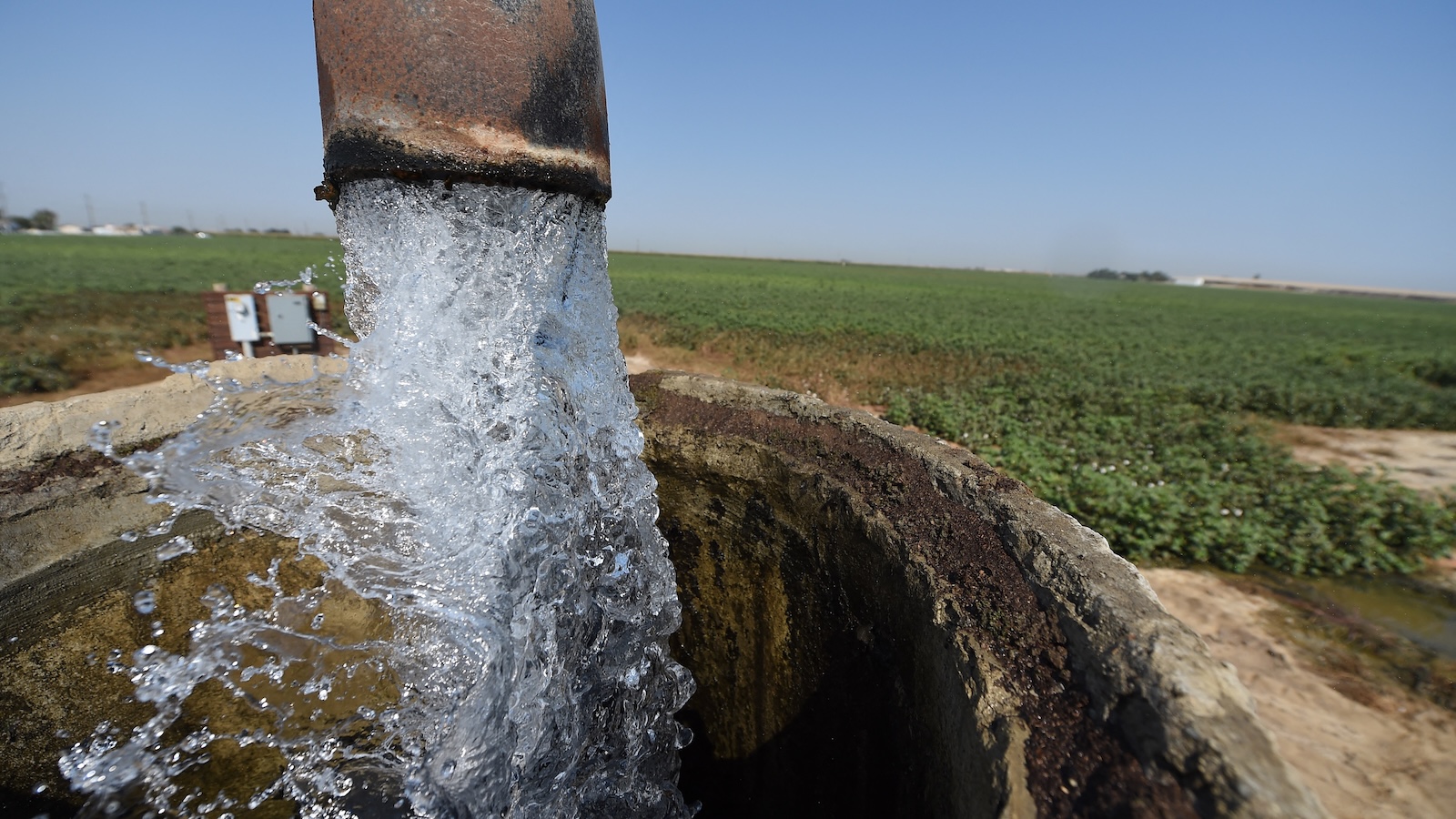
A coalition of environmental and advocacy organizations, including the Natural Resources Defense Council and Union of Concerned Scientists, submitted a petition on Monday requesting that the U.S. Environmental Protection Agency reduce its drinking water nitrate standard. The groups argue that the current threshold of 10 milligrams per liter, established in 1975 and formally adopted in 1991, no longer reflects current scientific understanding of nitrate’s health effects.
According to advocates, approximately one in three Americans—roughly 120 million people—currently receive water containing nitrate levels exceeding 1 milligram per liter, which is one-tenth of the existing federal standard. The original standard was primarily based on concerns about blue baby syndrome, a condition that affects infants. Since then, research has linked nitrate exposure to colorectal cancer, thyroid disease, and fetal abnormalities. A 2019 study estimated that up to 12,594 new cancer cases annually may be attributable to nitrate contamination in drinking water.
Nitrate pollution stems largely from agricultural runoff, including fertilizer and manure leaching into groundwater. The problem disproportionately affects rural, low-income, Latino, and farmworker communities in farming regions. States with significant agricultural operations, particularly in the West and Midwest, face the highest concentrations of affected populations. Iowa reports that approximately 42 percent of residents are exposed to elevated nitrate levels, while Des Moines-area residents experienced water restrictions this summer due to high contamination.
The petition organizations commissioned an economic analysis estimating that implementing the 1 milligram per liter standard would cost $94.5 billion over 50 years but generate $364 billion in health benefits. The EPA stated that it completed a comprehensive review of nitrate regulations in July 2024 and determined that revision was not warranted at that time. The petition requests that the agency adopt interim protections while considering the new standard and enforce existing federal environmental laws to restrict agricultural pollution sources.
Article Attribution | Read More at Article Source
Article summary produced by Claude AI