

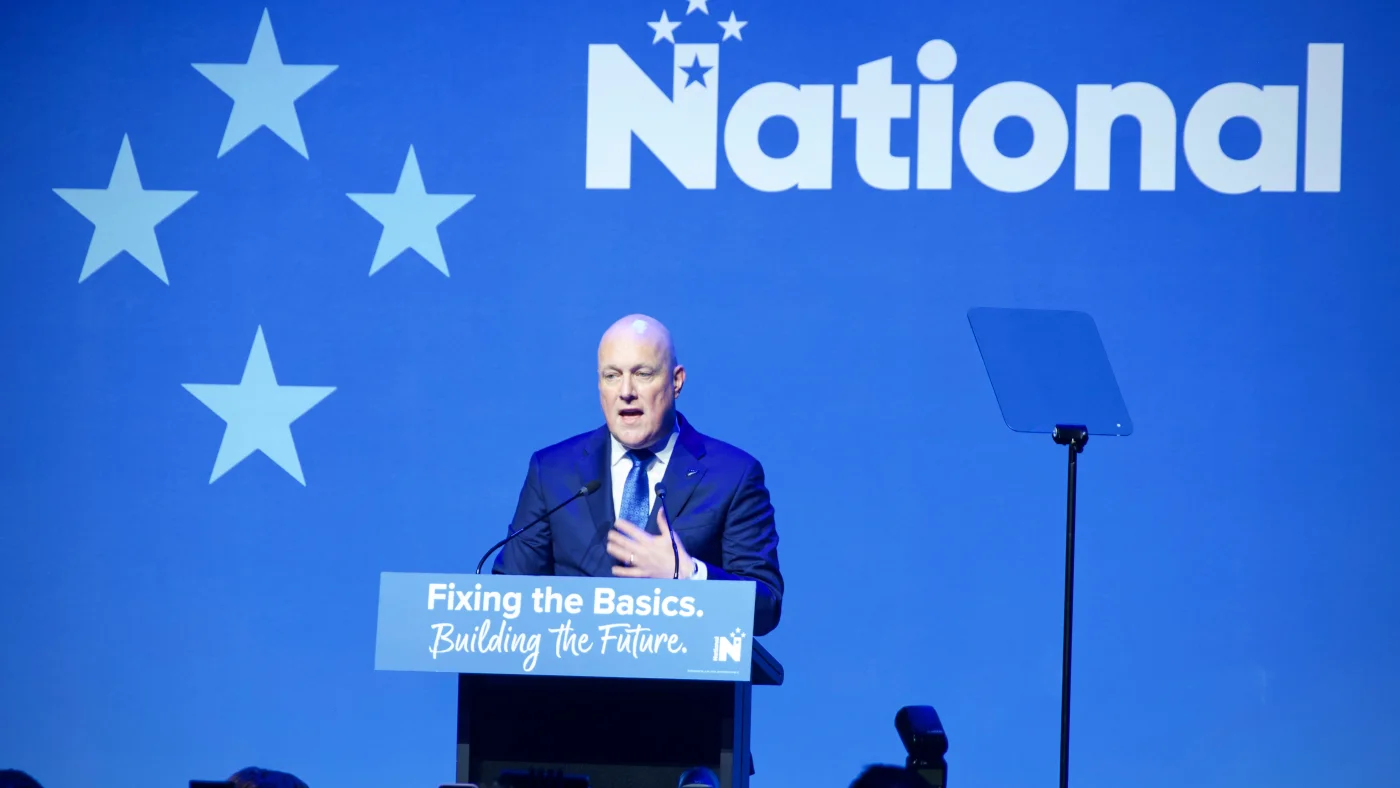
New Zealand held an election that failed to produce a decisive outcome for either the political left or right, setting the stage for extended negotiations to establish a governing coalition. The result marked the tightest contest in years and delivered setbacks to the two parties that have traditionally dominated the country’s political landscape.
Prime Minister Christopher Luxon’s center-right National Party appeared positioned for the narrowest possible return to power based on initial results, holding a one-seat advantage. However, Luxon refrained from claiming victory, instead expressing cautious optimism about his ability to negotiate a second term. His center-left opponent Chris Hipkins, who leads Labour, also did not benefit significantly from the vote despite both major parties receiving similar percentages of the popular vote. The election outcome reflected voter dissatisfaction with New Zealand’s economic challenges and apparent weariness with both leaders.
A significant development was the parliamentary breakthrough achieved by Opportunity, a newly formed party led by 38-year-old business consultant Qiulae Wong. The party secured seven seats despite having made three failed attempts to enter Parliament before Wong assumed leadership less than a year prior. Opportunity has positioned itself as unaligned with either bloc and willing to negotiate with either side, potentially giving it substantial leverage in coalition talks. Additional minor parties also strengthened their positions, with the libertarian ACT party winning 13 seats and the populist New Zealand First winning 12, both led by experienced politicians who have criticized Luxon’s political experience.
Final seat allocations will not be confirmed until November 27, when electoral officials complete counting approximately 400,000 special votes from overseas voters and others. Historically, these ballots have provided additional seats to left-wing parties, which could alter the current balance. Until final results are certified, Luxon will lead a caretaker government. If no viable coalition can be formed, New Zealand could face a fresh election. The negotiations are expected to span several weeks, with the requirement for 66 seats out of 131 total to secure a parliamentary majority.
Article Attribution | Read More at Article Source
Article summary produced by Claude AI