

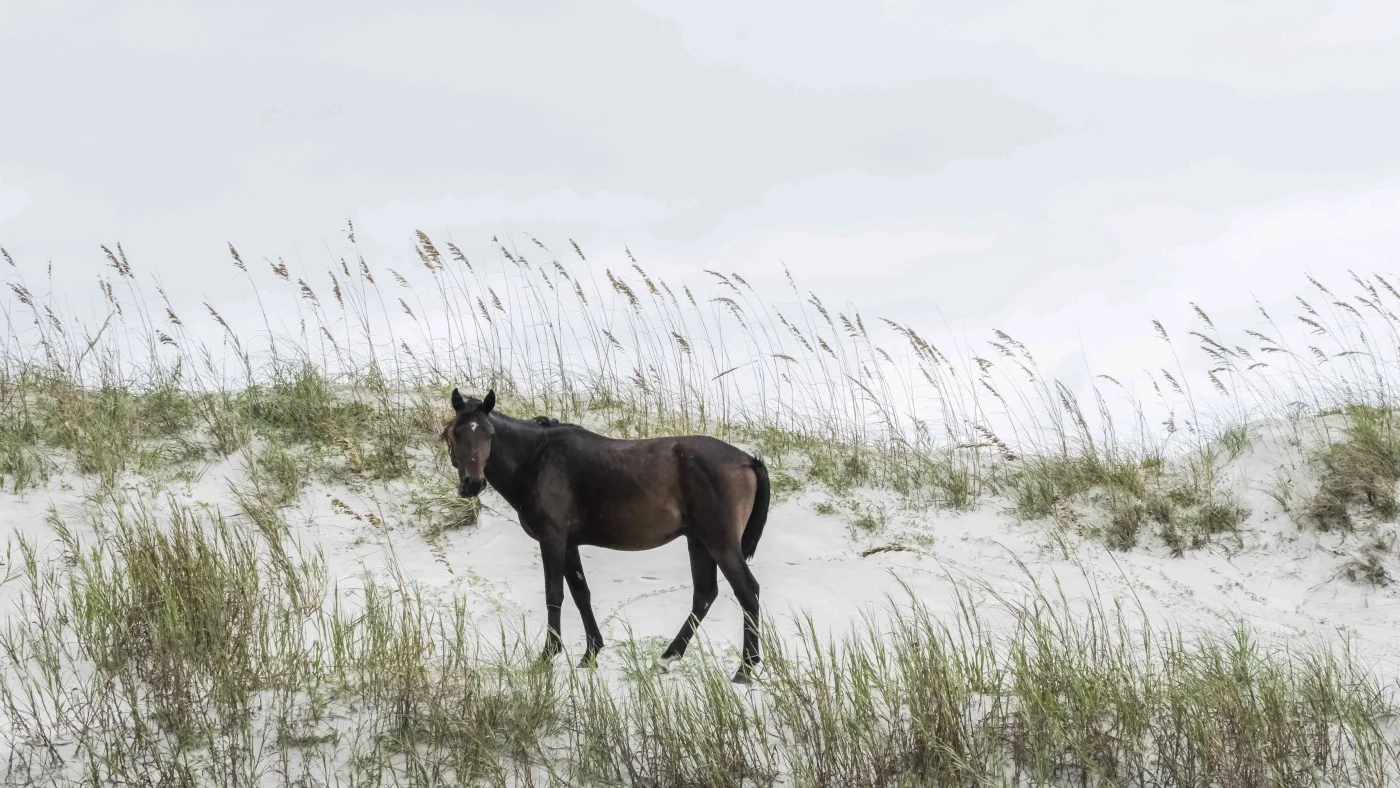
Cumberland Island National Seashore, a protected barrier island off Georgia’s coast, is at the center of a contentious land exchange proposal involving the National Park Service and descendants of Gilded Age industrialist Thomas Carnegie. The island spans roughly 18 miles and encompasses approximately 9,800 acres of federally protected wilderness that Congress designated to be preserved in its primitive state. The landscape includes salt marshes, maritime forests, beaches, and cultural sites ranging from Native American relics to plantation ruins and historic homes.
Under the proposed land swap, parkland on the island’s west side—currently featuring live oak groves overlooking salt marsh and Naval Submarine Base Kings Bay—would be transferred to two branches of Carnegie descendants in exchange for consolidating their private property ownership. The plan would permit construction of up to eight new private residences on the transferred land, with each home subject to a 15,000-square-foot footprint limit including driveways and outbuildings, and a maximum height of 35 feet. Park superintendent Melissa Trenchik contends the arrangement would allow the National Park Service to better manage and interpret natural and cultural resources on the island’s Atlantic beachside, including sensitive coastal and wilderness areas where development could be prohibited.
Opposition to the proposal centers on concerns about the scope of private development. Conservation advocates argue the homes would be substantial structures inappropriate for protected land and contend the exchange prioritizes private interests over public preservation. Critics frame the land swap as part of a broader pattern of government decisions favoring private interests at protected sites. The National Park Service received more than 12,500 public comments during the proposal’s review period.
Carnegie descendants defend their position, emphasizing their family’s long stewardship of the island and noting that prior generations declined development opportunities. They characterize proposed homes as modest and point to their family’s history of land donations to the park service and operation of cultural sites. Family members emphasize the island’s importance as a gathering place and burial ground for multiple generations and express desire to provide housing for younger family members while maintaining the land’s character.
Article Attribution | Read More at Article Source
Article summary produced by Claude AI