

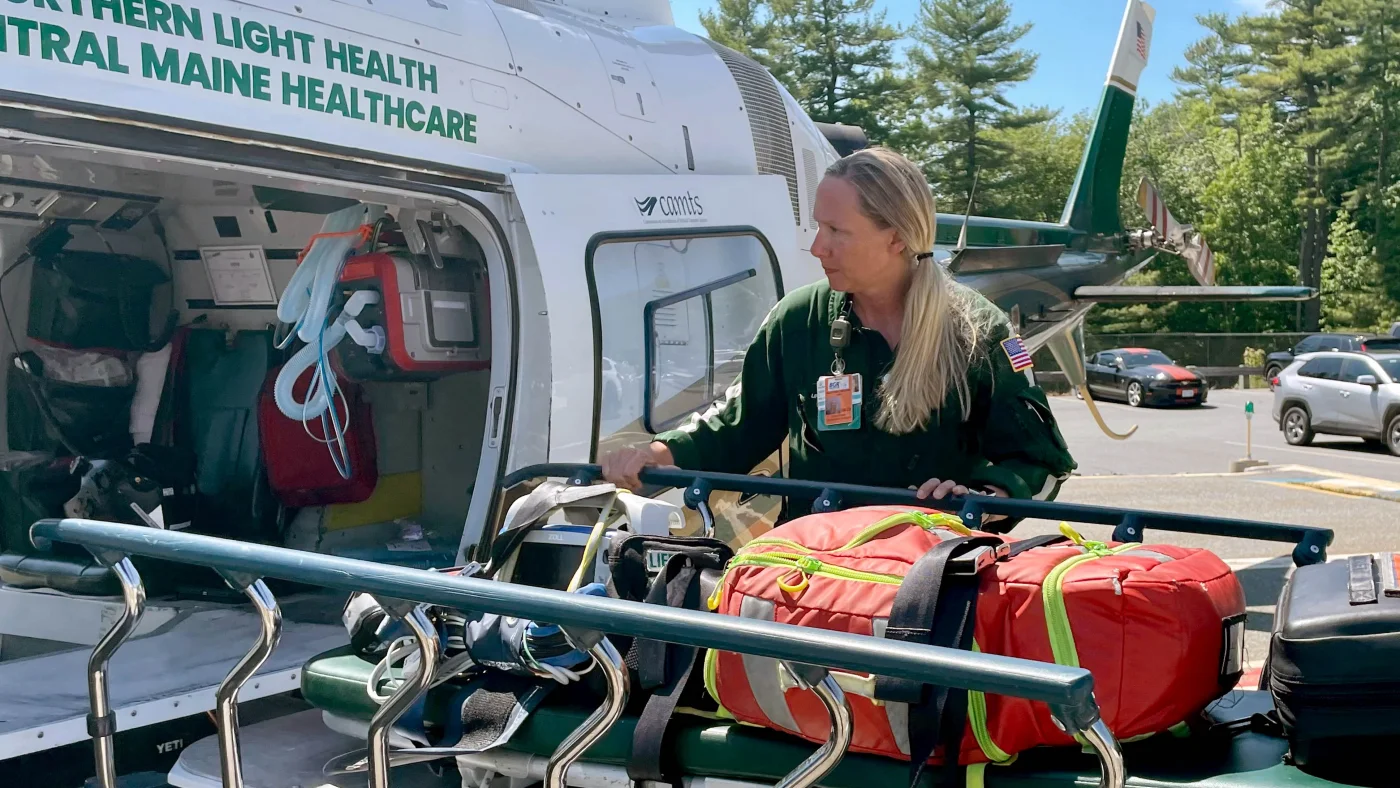
LifeFlight of Maine, an independent nonprofit air ambulance service based in Bangor, is confronting significant workforce retention challenges as demand for its services increases sharply. Since 2015, medical flight demand in Maine has doubled, with the service completing 3,031 flights in 2025—more than one every three hours—and demand continuing to rise another 10% this year.
The surge in air medical needs reflects broader problems in rural healthcare. Nationwide, air ambulance services are filling voids created by rural hospital closures, conversions to outpatient-only facilities, and elimination of services like labor and delivery. Anticipated Medicaid cuts estimated by the Congressional Budget Office at $911 billion over ten years are expected to worsen these conditions, with hundreds more rural hospitals and maternity departments at immediate risk of closure. Ground ambulance services, many themselves struggling financially, increasingly cannot meet transportation needs, placing greater demand on flight crews.
Retaining qualified flight clinicians has proven difficult since the COVID-19 pandemic. The profession carries unique stressors including hazardous conditions, long and unpredictable hours, expanding training requirements, and significant mental health burdens. Pay remains low throughout emergency medical services. Historically, LifeFlight retained only 60% to 70% of its workforce annually. Almost a quarter of ground-based EMS workers nationwide leave the field every year.
Under CEO Joe Kellner, who took the helm in 2023, LifeFlight has adopted an innovative approach combining enhanced training, higher compensation, and in-house mental health support. The organization introduced the “Critical Care Academy,” a six- to eight-month orientation program designed to address both recruitment and retention. This year marks the first time in nine years that LifeFlight is nearly fully staffed. Emergency medicine experts have recognized LifeFlight as one of a handful of model programs in the industry, distinguishing its nonprofit structure and medical quality standards from the for-profit businesses that dominate air ambulance services.
Article Attribution | Read More at Article Source
Article summary produced by Claude AI