

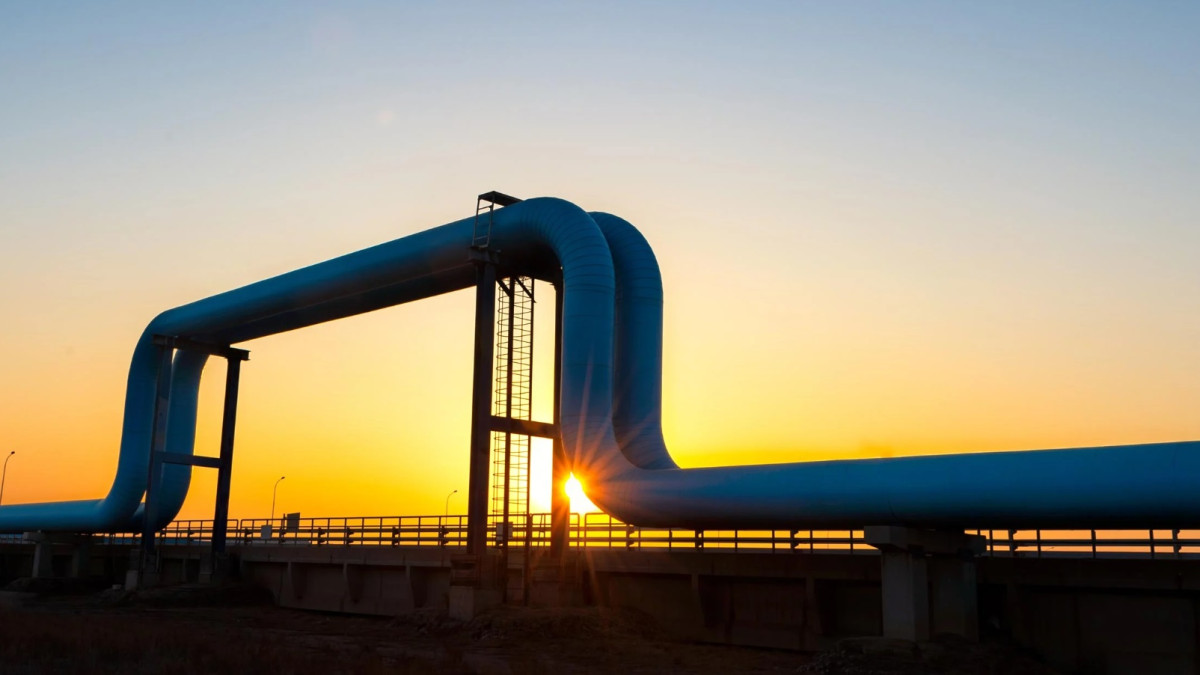
The Permian Basin, spanning Texas and New Mexico, continues to be the dominant source of U.S. crude oil production growth, though the rate of expansion has slowed considerably from earlier years. Currently accounting for approximately 45% of national crude output, the region remains the largest contributor to overall production increases despite a war premium that pushed prices above $100 per barrel earlier in the year.
Energy forecasters project U.S. crude production will rise by 378,000 barrels daily, with the majority originating from the Permian. This represents a 2.8% annual increase, marking an acceleration from the 1.6% growth recorded in the prior year-over-year comparison. According to the Energy Information Administration, Permian production averaged 6.84 million barrels daily in the third quarter, with expectations for further gains to 6.91 million barrels daily in the current quarter. Industry analysts attribute the modest uptick to numerous operators incrementally increasing output rather than dramatic expansions at individual facilities.
The region’s production trajectory reflects broader industry trends toward financial discipline over maximum extraction. After experiencing explosive growth for over a decade, with annual increases frequently exceeding 1 million barrels, the Permian’s expansion decelerated following pandemic-related demand destruction in 2020. Today’s moderate growth rates reflect both natural constraints and deliberate operational choices by producers prioritizing profitability over volume maximization.
Longer-term forecasts suggest the Permian will continue steady but gradual growth through 2035, potentially reaching peak production of around 7.7 million barrels daily before stabilizing at that level. Industry observers cite several limiting factors, including rising operational costs for increasingly complex horizontal drilling operations, elevated demand for fracking fluids, and emerging wastewater disposal challenges that regulators are beginning to address. Despite these constraints, analysts remain confident that the Permian holds sufficient reserves to sustain U.S. oil growth for years or potentially decades to come.
Merger activity in the region has intensified recently, with companies such as Diamondback acquiring assets to strengthen their Permian positions. These consolidation efforts predominantly target smaller producers, as the largest acquisition targets were largely absorbed during previous megadeals focused exclusively on the basin.
Article Attribution | Read More at Article Source
Article summary produced by Claude AI