

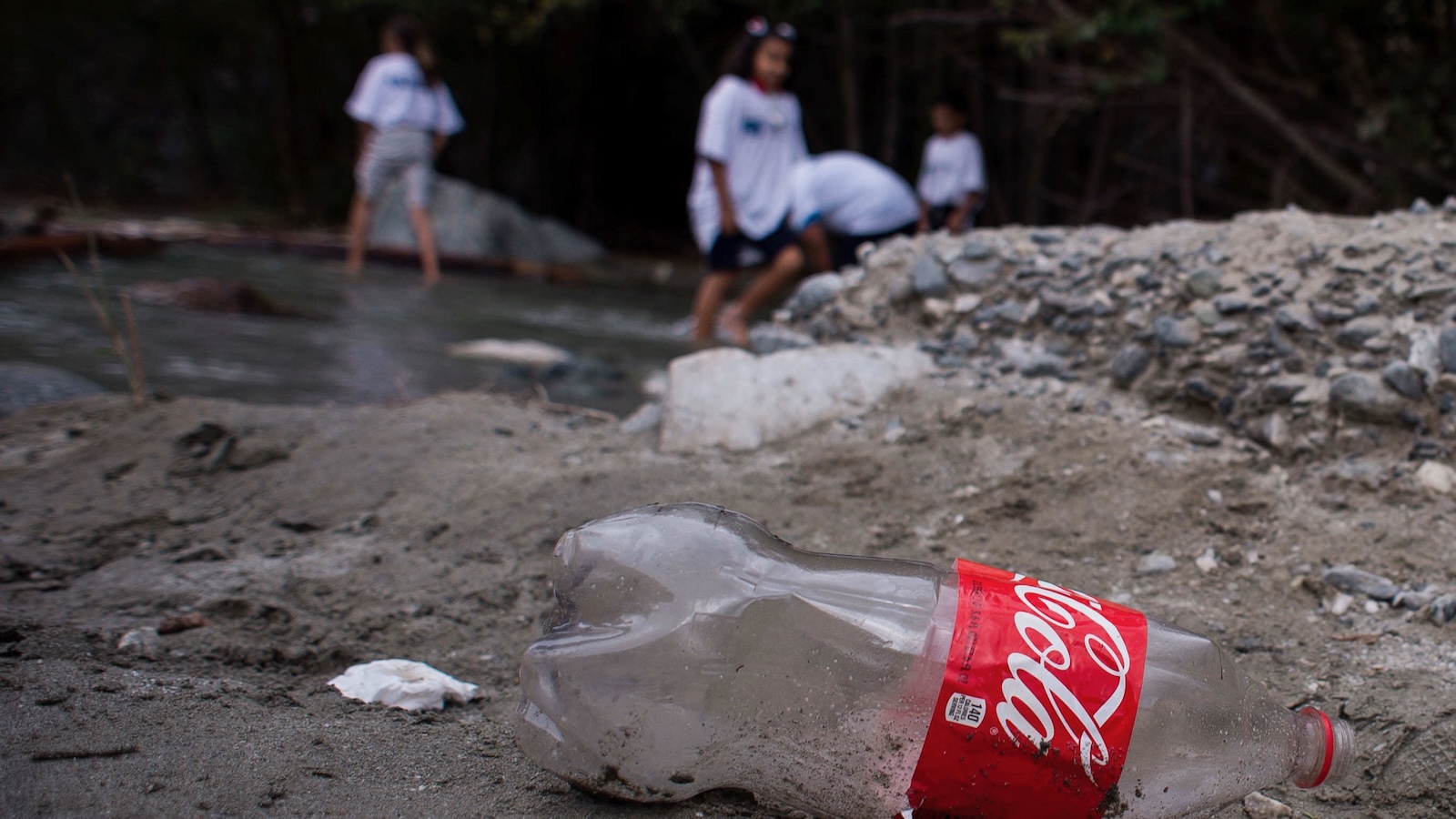
A Baltimore circuit court judge this summer determined that major beverage companies cannot be held legally responsible for plastic pollution bearing their logos, establishing that manufacturers’ liability ends at the point of sale. Judge Audrey J.S. Carrión ruled that companies engaged in lawful commercial activities should not face public nuisance claims when consumers misuse products through littering. This decision aligns with similar court rulings dismissing comparable lawsuits in other states, including New York, and raises critical questions about corporate accountability for product-related environmental damage.
Public nuisance law, rooted in 13th-century English common law, has increasingly been applied to manufacturers since the 1970s in cases involving products that allegedly harm public health and the environment. Legal scholars note that such lawsuits have achieved mixed results, with cases against opioid manufacturers, tobacco companies, and e-cigarette firms sometimes succeeding primarily through settlements rather than judicial rulings supporting nuisance arguments. A key obstacle has been establishing causation—convincing judges that corporate defendants bear substantial responsibility for violations of public rights when products are diverted or misused after sale.
Environmental advocates and governments are attempting to circumvent the point-of-sale barrier by emphasizing foreseeability—arguing that plastic manufacturers knew or should have known their products would become litter and environmental contaminants. Evidence suggests manufacturers have understood for decades that mass production of single-use plastics would generate pollution and that recycling could not manage the resulting waste. Industry scientists have known since at least the 1970s that microplastics could accumulate in human bodies, according to investigative reporting.
Successful public nuisance litigation requires demonstrating substantial interference with public rights, establishing causation, and proving negligent or intentional tortious conduct. California courts have thus far proven more receptive to plastic pollution cases than states like New York and Maryland, which impose stricter requirements for showing defendant control over products. Despite some early legal victories allowing cases to proceed, courts have not uniformly ruled in plaintiffs’ favor, with one recent California summary judgment dismissing an Earth Island Institute claim against food and beverage companies, though an appeal is planned.
Article Attribution | Read More at Article Source
Article summary produced by Claude AI