

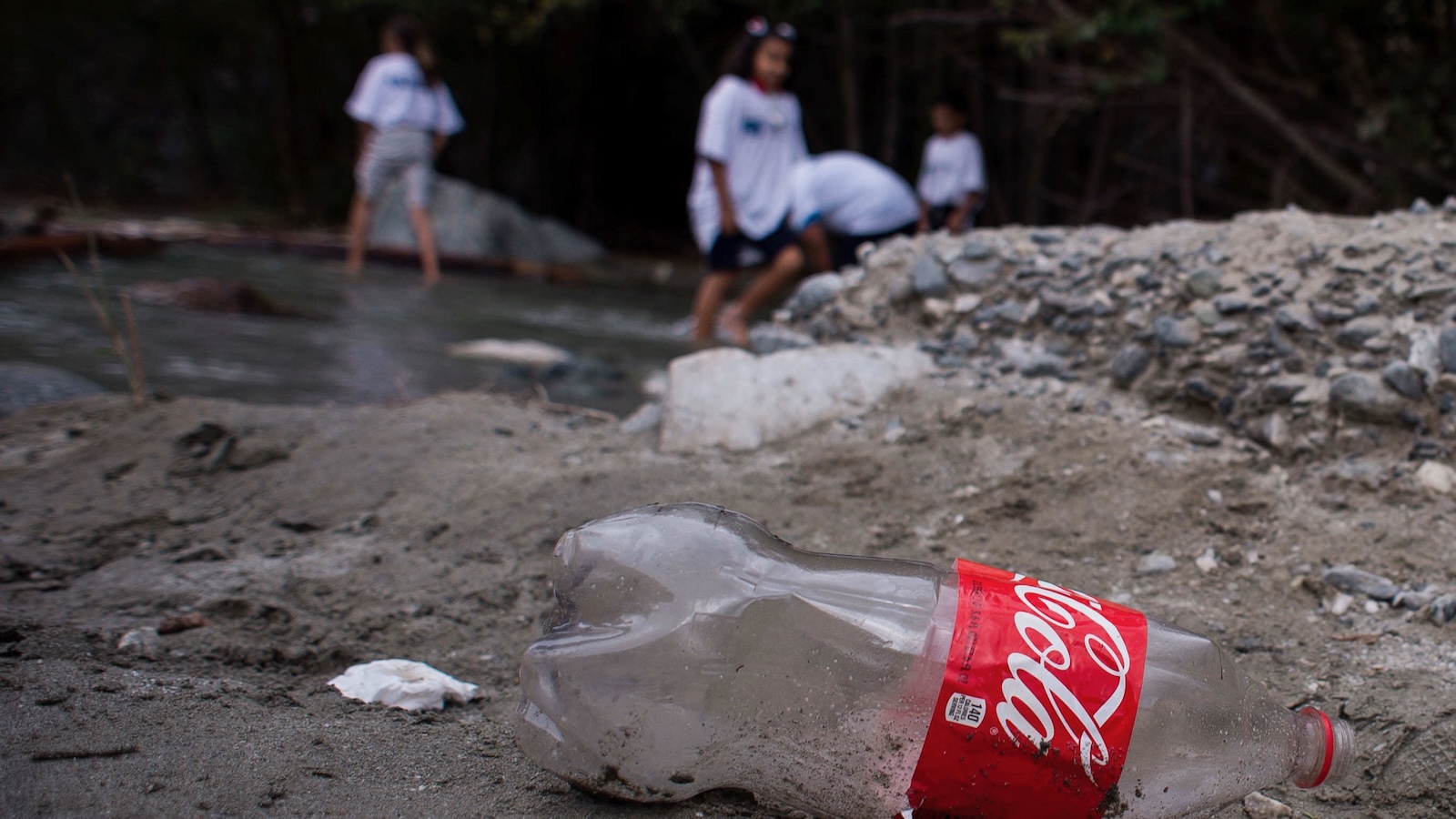
A Baltimore city circuit court judge ruled earlier this year that beverage companies cannot be held liable under public nuisance claims for plastic litter bearing their brands, determining that consumer misuse rather than corporate action causes the pollution problem. Judge Audrey J.S. Carrión stated that companies engaged in lawful activities should not face liability when products are used unlawfully by others, establishing that corporate responsibility ends at the point of sale.
This decision reflects a broader legal trend affecting similar cases across multiple states. New York pursued comparable litigation against PepsiCo and Frito-Lay with similar results, while disputes have emerged in jurisdictions ranging from Missouri to California. The rulings raise a central question about the limits of corporate accountability for products once they reach consumers and whether public nuisance law provides an effective mechanism for securing cleanup costs from manufacturers.
Public nuisance doctrine, originating in 13th-century English common law, has been increasingly applied since the 1970s to manufacturers whose products allegedly threaten public health and environmental quality. However, legal experts note these lawsuits have achieved mixed results, often succeeding through settlements rather than judicial rulings on the underlying nuisance claims. Courts have struggled with establishing causation—the connection between corporate defendants and public harm—particularly when products are misused contrary to their intended purpose.
Plaintiffs attempting to overcome causation obstacles are emphasizing foreseeability, arguing that manufacturers knew plastic pollution was an inevitable consequence of mass production. Evidence suggests industry actors understood for decades that single-use plastics would contribute to environmental contamination and that recycling systems would prove insufficient. Additionally, investigations indicate manufacturers have known since at least the 1970s that microplastics could accumulate in human bodies.
The success of these legal theories may depend significantly on jurisdiction-specific standards. States like New York and Maryland impose higher causation requirements and control standards, while California courts have proven more receptive to such claims, though even favorable early rulings do not guarantee ultimate success, as demonstrated by a recent summary judgment dismissal in a case involving multiple food and beverage companies.
Article Attribution | Read More at Article Source
Article summary produced by Claude AI